

 Rizioshop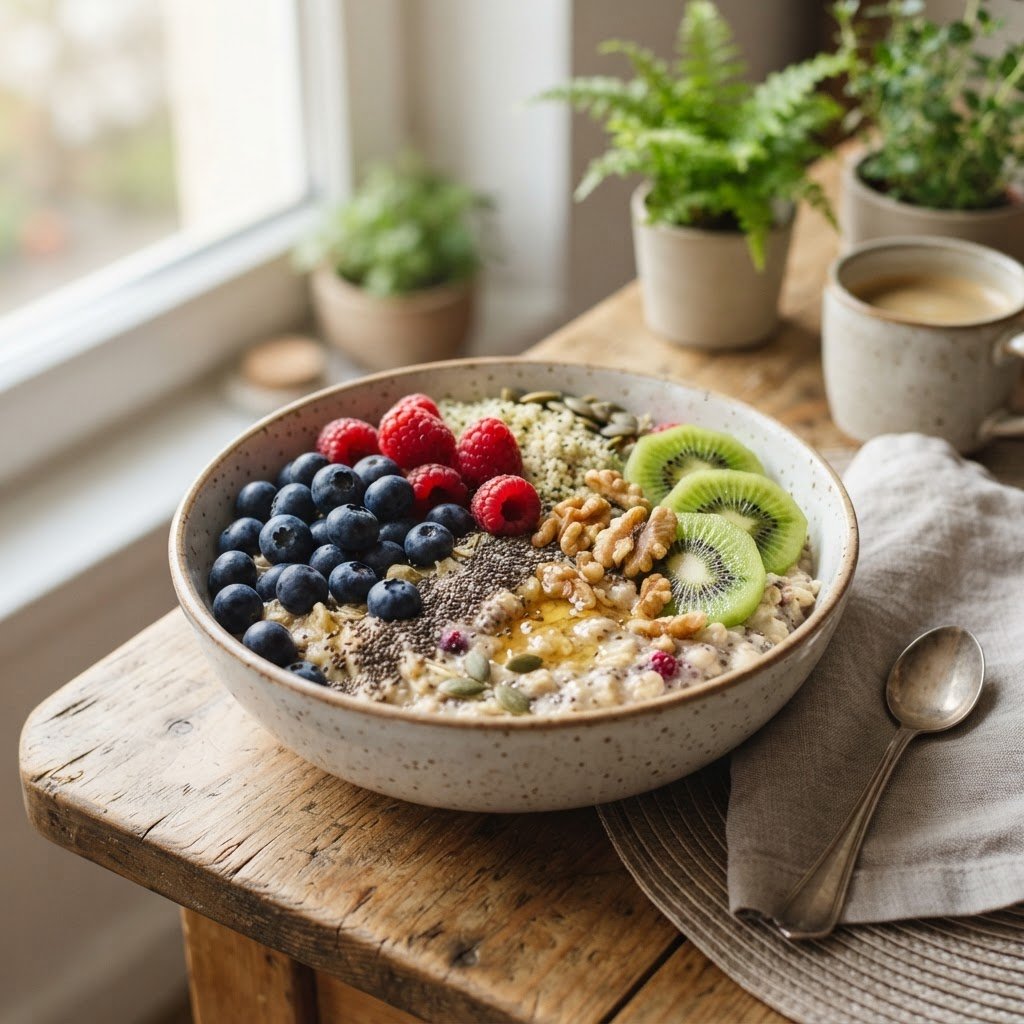
High-Fiber Breakfast Ideas for Gut Health and Steady Energy
A high-fiber breakfast for gut health and steady energy can be simple: combine a fiber-rich plant food with protein, fluids, and a satisfying flavor. Fiber supports bowel regularity and helps feed parts of the gut ecosystem, while protein and healthy fats can make breakfast more filling.
Most adults do not need an elaborate morning “detox.” They need repeatable meals that fit their appetite, budget, culture, and schedule.
Affiliate disclosure: RizioShop may earn a commission from qualifying purchases through links on this page, at no extra cost to you.
Why breakfast fiber matters
Dietary fiber is found in plant foods and includes different types with different effects. Some fibers add bulk, some hold water, and some are fermented by gut microbes.
The USDA and National Academies provide general intake guidance, but needs vary. Increase fiber gradually and drink enough fluid, especially if your current intake is low.
Build your breakfast with a simple formula
- Choose a base: oats, whole-grain toast, quinoa, or a high-fiber cereal.
- Add fruit or vegetables: berries, kiwi, pear, apples, greens, or tomatoes.
- Add protein: yogurt, eggs, tofu, beans, cottage cheese, or nuts.
- Finish with seeds or healthy fats: chia, flax, walnuts, or nut butter.
This formula creates variety without requiring a new recipe every morning.

Seven practical high-fiber breakfast ideas
1. Overnight oats with berries and chia
Combine rolled oats, yogurt or milk, chia seeds, berries, and cinnamon. Let the mixture soften overnight and adjust the texture with extra liquid.
2. Greek yogurt with pear and walnuts
Use plain yogurt, diced pear, ground flax, and walnuts. This option pairs protein with soluble and insoluble fiber.
3. Whole-grain toast with avocado and egg
Add mashed avocado, an egg, tomatoes, and pepper to a high-fiber bread. Check the label for whole grain as the first ingredient.
4. Bean and vegetable breakfast bowl
Warm black beans with leftover vegetables and a whole grain. Add salsa or herbs for flavor instead of relying on excess salt.
5. Apple-cinnamon oatmeal
Cook oats with chopped apple, cinnamon, and pumpkin seeds. Add milk or yogurt for more protein.
6. Green smoothie with a side of protein
Blend spinach, kiwi, berries, oats, and unsweetened milk. Pair it with eggs, tofu, or yogurt rather than treating a low-protein smoothie as a complete meal.
7. High-fiber breakfast wrap
Fill a whole-grain tortilla with eggs or tofu, beans, peppers, and greens. Prepare two at once for busy mornings.

Fiber and digestive comfort
Some people experience gas or bloating when they increase fiber quickly. Start with a smaller serving, increase over several days, and notice which foods feel comfortable.
For more ideas, see our prebiotic foods list, fiber guide for constipation, and probiotics guide.
How to compare packaged foods
| Label feature | What to check |
|---|---|
| Fiber | Compare grams per serving. |
| Added sugar | Choose a level that fits your goals. |
| Protein | Pair low-protein foods with yogurt, eggs, tofu, or nuts. |
| Ingredients | Look for recognizable whole grains, nuts, seeds, or fruit. |
Marketing terms such as “multigrain” do not automatically mean high fiber. The Nutrition Facts panel is more useful than the front of the package.
When fiber needs medical guidance
Seek professional advice for unexplained weight loss, blood in stool, persistent abdominal pain, vomiting, or a sudden lasting change in bowel habits. People with swallowing problems, bowel narrowing, or certain digestive disorders may need individualized fiber guidance.
The National Institute of Diabetes and Digestive and Kidney Diseases offers evidence-based nutrition information for constipation.
Frequently asked questions
How much fiber should breakfast contain?
There is no single target, but adding a meaningful source at breakfast can help distribute intake across the day. Increase gradually rather than forcing a large amount at once.
Can fiber give me more energy?
Fiber does not act like caffeine. A balanced meal may support steadier fullness and fewer hunger swings, especially when paired with protein.
Are chia seeds necessary?
No. Oats, beans, fruit, vegetables, whole grains, and nuts can all contribute fiber.
Can I use a fiber supplement?
Discuss it with a clinician or pharmacist if you have digestive symptoms or take medication. Food variety remains a useful foundation.
Conclusion
A nourishing high-fiber breakfast for gut health and steady energy can be as easy as oats with fruit and seeds, yogurt with pear and flax, or beans with whole-grain toast. Pick one option you enjoy, increase fiber gradually, and build consistency before chasing complicated trends.