

 Rizioshop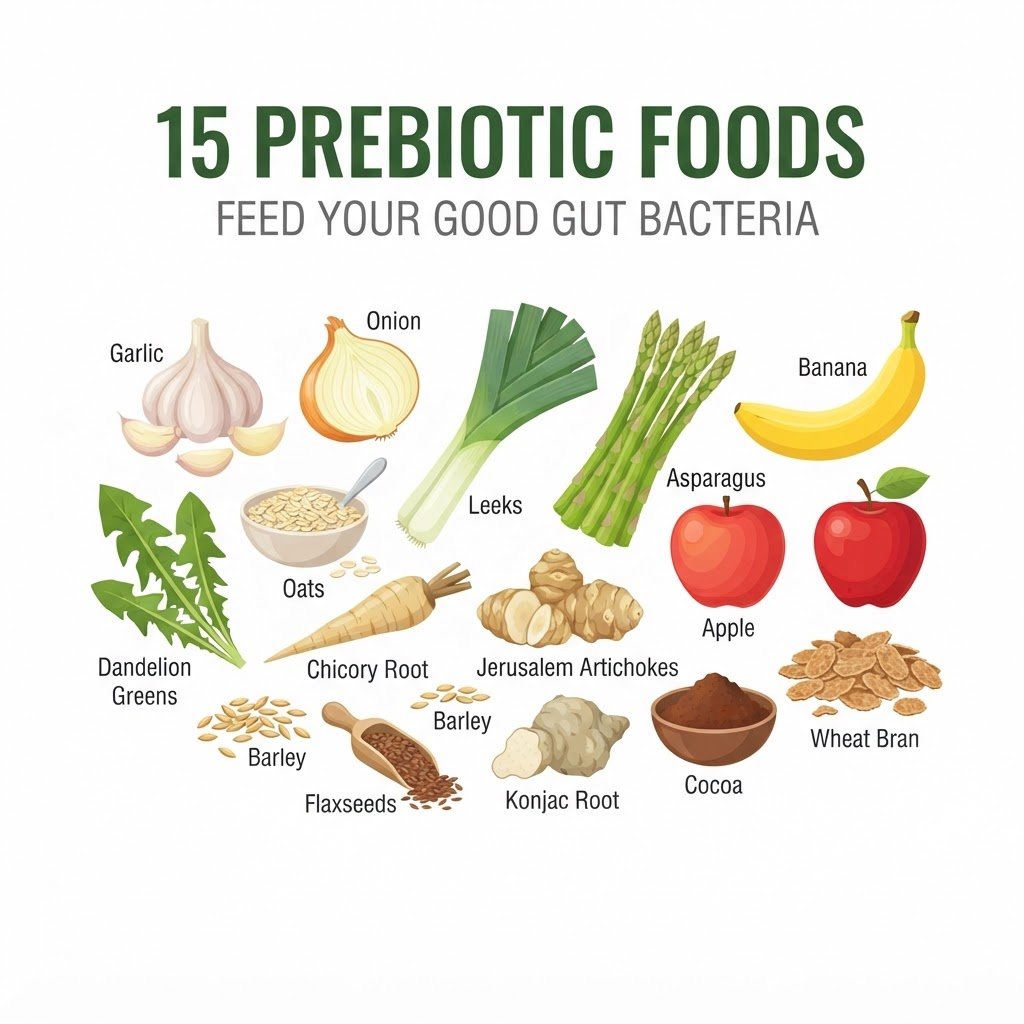
Affiliate Disclosure: This article may contain affiliate links to products sold or reviewed on rizioshop.com. If you click through and make a purchase, we may earn a commission at no additional cost to you. We only recommend products we believe provide value to our readers. This article is for informational purposes only and does not constitute medical advice.

Have you ever wondered why some people seem to have ironclad digestion, steady energy, and a resilient immune system, while others constantly battle bloating, fatigue, and sugar cravings? The answer may lie not in what you eat, but in what you feed the trillions of bacteria living in your gut. Your large intestine is home to a bustling ecosystem of microorganisms—collectively known as the gut microbiome—that influence everything from how well you absorb nutrients to how effectively your body manages inflammation. But these beneficial bacteria don’t just survive on willpower. They need fuel, and that fuel comes in the form of prebiotics: specialized plant fibers that your body can’t digest, but your gut bacteria thrive on.
In this comprehensive prebiotic foods list, we’ll walk you through 15 of the best prebiotic foods that nourish your good gut bacteria, explain the science behind how prebiotic fiber works, and show you practical ways to add these foods to your daily meals. Whether you’re just beginning your gut-health journey or you’re already taking a probiotic supplement and wondering why you’re not seeing results, understanding prebiotic fiber sources could be the missing piece of your wellness puzzle. If you’re already familiar with probiotics, you may want to check out our complete guide to probiotics for gut health for a deeper dive on the beneficial bacteria themselves—but this article focuses on what those bacteria need to flourish.
What Are Prebiotics? The Science Explained
Prebiotics are non-digestible food components—primarily certain types of dietary fiber—that selectively feed beneficial bacteria in your gut. The concept was first introduced in 1995 by researchers Glenn Gibson and Marcel Roberfroid, who defined prebiotics as “a non-digestible food ingredient that beneficially affects the host by selectively stimulating the growth and/or activity of one or a limited number of bacteria in the colon.” In simpler terms, prebiotics are the food that good bacteria eat.
Here’s how it works: When you eat foods containing prebiotic fiber, the fiber passes through your stomach and small intestine largely intact because your body lacks the enzymes to break it down. Once it reaches your large intestine (colon), your gut bacteria ferment it. This fermentation process produces short-chain fatty acids (SCFAs)—primarily butyrate, acetate, and propionate—which serve as energy sources for your colon cells and play a role in maintaining gut barrier integrity, modulating immune function, and supporting healthy inflammation responses. Research published in the Journal of Nutrition estimates that SCFAs may provide up to 10% of your daily caloric energy needs when prebiotic intake is adequate.
The three main types of prebiotic fiber recognized by researchers are:
- Inulin – Found in chicory root, Jerusalem artichokes, onions, garlic, and leeks. Inulin is a fructan-type fiber that has been extensively studied for its bifidogenic effects, meaning it specifically promotes the growth of Bifidobacterium species.
- Fructooligosaccharides (FOS) – Also found in onions, garlic, bananas, and asparagus. FOS consists of short chains of fructose molecules and is one of the most widely researched prebiotic fibers.
- Galactooligosaccharides (GOS) – Found in legumes and dairy products. GOS is particularly effective at stimulating both Bifidobacterium and Lactobacillus species, the two most commonly supplemented probiotic genera.
- Resistant Starch – Found in green bananas, cooked-and-cooled potatoes, oats, and legumes. Resistant starch “resists” digestion in the small intestine and ferments in the colon, where it serves as a powerful fuel for butyrate-producing bacteria.
Not all fiber is prebiotic. For a fiber to qualify as a prebiotic, it must meet three criteria established by the International Scientific Association for Probiotics and Prebiotics (ISAPP): (1) it must resist gastric acidity and enzymatic digestion, (2) it must be fermented by intestinal microbiota, and (3) it must selectively stimulate the growth or activity of beneficial bacteria. This distinction matters because many high-fiber foods, while healthy, don’t necessarily target the specific bacteria that prebiotics do.
Prebiotics vs. Probiotics: What’s the Difference?
If prebiotics and probiotics sound similar, you’re not alone in the confusion. The terms are often used interchangeably, but they refer to very different things. Understanding the distinction is crucial for anyone serious about gut health.
Probiotics are live beneficial bacteria that you consume—think of them as the “seeds.” They come from fermented foods like yogurt, kefir, sauerkraut, and kimchi, or from supplements. When you consume probiotics, you’re directly adding good bacteria to your gut. However, these bacteria need to survive stomach acid, bile, and the journey through your digestive tract to reach your colon, where they can establish themselves. For a deep dive on this topic, see our probiotics and gut health complete guide.
Prebiotics, on the other hand, are the “fertilizer.” They don’t contain bacteria themselves; instead, they provide the fuel that allows the beneficial bacteria already in your gut (as well as those you’ve consumed via probiotics) to multiply and thrive. Think of it this way: if you plant seeds in a garden but never water or fertilize them, they won’t grow. Similarly, consuming probiotics without prebiotics is like planting a garden without maintaining it—the beneficial bacteria may not survive long enough to deliver benefits.
This is why many researchers now recommend a synbiotic approach—combining probiotics and prebiotics—for maximum gut health benefit. Some of the best prebiotic supplements on the market are formulated with both, but you can also achieve this effect through food by pairing fermented foods with prebiotic-rich options. For example, topping a banana-oat bowl with yogurt gives you both the probiotic bacteria from the yogurt and the prebiotic fiber from the banana and oats.
The Ultimate Prebiotic Foods List: 15 Foods That Feed Your Good Gut Bacteria
Now let’s get to the heart of this guide: our curated list of 15 prebiotic foods that can help nourish your gut microbiome. Each entry includes a description of the food, its prebiotic fiber content, how to incorporate it into your meals, and the specific benefits it may offer.
1. Chicory Root
What it is: Chicory root comes from the chicory plant, a perennial herb with bright blue flowers. The root is roasted and ground as a coffee substitute or extracted for its high inulin content. It has been used as a medicinal plant for centuries and is now recognized as one of the richest natural sources of prebiotic fiber available.
Prebiotic content: Chicory root is composed of approximately 68% inulin by dry weight, making it the single most concentrated prebiotic food source on the planet. Just one tablespoon of chicory root fiber delivers roughly 5 to 6 grams of inulin.
How to eat: You can brew chicory root as a caffeine-free coffee alternative, add chicory root fiber (also sold as “inulin powder”) to smoothies, or stir it into oatmeal. Start with small amounts (1 teaspoon) to let your gut adjust, as the high fiber content can cause gas if you increase too quickly.
Benefits: Studies have shown that chicory root inulin significantly increases populations of Bifidobacterium in the colon. It may also help support calcium absorption, promote feelings of fullness, and encourage regular bowel movements.
2. Jerusalem Artichokes (Sunchokes)
What it is: Despite the name, Jerusalem artichokes have nothing to do with Jerusalem or artichokes. They’re actually a type of sunflower tuber, also known as sunchokes. These knobby root vegetables have a nutty, slightly sweet flavor and are prized for their exceptional prebiotic content.
Prebiotic content: Jerusalem artichokes contain approximately 14 to 18 grams of inulin per 100 grams when raw. That’s one of the highest inulin concentrations of any whole food.
How to eat: You can eat them raw sliced thin in salads, roasted like potatoes, pureed into soups, or spiralized as a pasta alternative. Keep in mind that inulin content decreases with cooking, so enjoy some raw for maximum prebiotic benefit. Their nutty flavor pairs well with olive oil, lemon, and herbs.
Benefits: The high inulin content in Jerusalem artichokes may help support gut microbial diversity, encourage beneficial bifidobacteria growth, and contribute to better blood sugar management by slowing carbohydrate absorption.
3. Garlic
What it is: Garlic is one of the most widely used culinary ingredients in the world, and it’s also a prebiotic powerhouse. Beyond its well-known culinary applications, garlic has been studied for its potential to support cardiovascular health, immune function, and gut microbial balance.
Prebiotic content: Garlic contains approximately 17% fructans (inulin and FOS) by dry weight. A single clove provides about 0.5 to 1 gram of prebiotic fiber, which may not sound like much, but it adds up quickly when you use garlic generously in cooking.
How to eat: Add minced garlic to stir-fries, salad dressings, marinades, roasted vegetables, and soups. For maximum prebiotic and allicin (a beneficial sulfur compound) content, crush or chop garlic and let it sit for 10 minutes before cooking—this allows the active compounds to develop fully.
Benefits: Garlic’s prebiotic fiber promotes the growth of beneficial Bifidobacterium and Lactobacillus strains. Research also suggests garlic may help support healthy cholesterol levels and encourage a balanced immune response.
4. Onions
What it is: Onions are a staple in virtually every cuisine worldwide, and they’re one of the most accessible prebiotic foods you can buy. Both raw and cooked onions provide prebiotic fiber, though raw onions retain more of their prebiotic content.
Prebiotic content: Onions contain about 4 to 8 grams of FOS and inulin per 100 grams, making them one of the most practical sources of prebiotic fiber in the average American diet.
How to eat: Add raw onions to salads, salsas, and sandwiches. Caramelize them for savory dishes, or roast whole onions as a side dish. If raw onions bother your stomach, lightly sautéing or roasting them still provides prebiotic benefits, just in smaller amounts. Red, yellow, and white onions all contain prebiotic fiber.
Benefits: Onions are particularly rich in FOS, which research shows increases bifidobacteria levels. Onions also contain antioxidant flavonoids like quercetin, which may support cardiovascular health and help the body manage oxidative stress.
5. Leeks
What it is: Leeks belong to the same allium family as onions and garlic, and they share similar prebiotic properties. They have a milder, sweeter flavor than onions and are a key ingredient in French cuisine, especially in dishes like vichyssoise (potato-leek soup).
Prebiotic content: Leeks contain approximately 10 to 16% inulin by dry weight. A single medium leek provides roughly 2 to 3 grams of prebiotic fiber.
How to eat: Sauté sliced leeks in olive oil as a base for soups and stews, add them to frittatas and quiches, or grill them whole with a drizzle of olive oil and sea salt. The white and light green parts are most commonly eaten, but the dark green tops can be saved for making vegetable stock.
Benefits: Like their allium cousins, leeks promote the growth of beneficial gut bacteria. They also provide vitamin K, vitamin A, and folate, making them a nutrient-dense addition to your prebiotic foods list.
6. Asparagus
What it is: Asparagus is a spring vegetable that’s both elegant and nutrient-packed. Its spears contain significant amounts of inulin, along with folate, vitamin K, and antioxidants like glutathione.
Prebiotic content: Raw asparagus contains about 2 to 3 grams of inulin per 100 grams. While not as concentrated as chicory root, it’s still a strong source, especially when eaten raw or lightly steamed.
How to eat: Shave raw asparagus into salads with a vegetable peeler, lightly steam and drizzle with olive oil and lemon, or roast with garlic and parmesan. Avoid overcooking, as prolonged heat can degrade some of the prebiotic fiber.
Benefits: Asparagus promotes the growth of bifidobacteria and lactobacilli. It also contains significant amounts of glutathione, a powerful antioxidant that may help support liver health and cellular defense.
7. Bananas (Especially Slightly Green)
What it is: Bananas are one of the most popular fruits in the United States and one of the easiest prebiotic foods to incorporate into your diet. The key is to choose bananas that are slightly green—they contain more resistant starch than fully ripe bananas.
Prebiotic content: A slightly green banana contains about 20 to 30 grams of resistant starch per 100 grams, which drops to nearly zero as the banana ripens. Ripe bananas still provide about 1 gram of FOS per medium banana, so there’s prebiotic value at every stage.
How to eat: Slice slightly green bananas into oatmeal or smoothies, or use green banana flour in baking for a concentrated resistant starch boost. Ripe bananas are perfect for topping yogurt with granola—a meal that combines probiotics and prebiotics in one bowl. For more on how nighttime snacks affect blood sugar, check out our guide to best bedtime snacks for sleep and blood sugar.
Benefits: Bananas’ resistant starch feeds butyrate-producing bacteria, which help maintain the gut lining. Bananas are also rich in potassium (about 422 mg per medium banana) and contain pectin, another type of fiber that supports digestive regularity.
8. Oats
What it is: Oats are a breakfast staple and one of the most convenient prebiotic fiber sources available. They contain a unique type of soluble fiber called beta-glucan, along with resistant starch, particularly when cooked and cooled.
Prebiotic content: One cup of cooked oats provides about 4 grams of beta-glucan, plus a modest amount of resistant starch that increases when the oats are cooled after cooking (as in overnight oats).
How to eat: Make overnight oats by soaking rolled oats in milk or yogurt overnight—this cooling process increases resistant starch content. Add bananas, walnuts, and cinnamon for a triple-prebiotic breakfast. You can also use oats in baking, smoothies, and homemade granola.
Benefits: Oat beta-glucan has been shown to support healthy cholesterol levels (the FDA recognizes that 3 grams of beta-glucan per day may help reduce coronary heart disease risk). It also feeds beneficial gut bacteria, promotes satiety, and supports stable blood sugar levels.
9. Apples
What it is: Apples are one of the most widely consumed fruits in America, and they’re a reliable source of pectin—a type of soluble fiber with prebiotic properties. The old saying “an apple a day” has some scientific backing when it comes to gut health.
Prebiotic content: A medium apple contains about 4 grams of dietary fiber, approximately half of which is pectin. The pectin content is highest in the skin, so don’t peel your apples if you want maximum prebiotic benefit.
How to eat: Eat whole apples as a snack with nut butter, slice them into salads, bake them with cinnamon for a comforting dessert, or add chopped apples to oatmeal. The combination of apple pectin and oat beta-glucan makes apple-cinnamon oatmeal a prebiotic-rich breakfast.
Benefits: Apple pectin increases the production of butyrate in the colon. Research from the journal Nutrients indicates that apple pectin may help increase beneficial bacterial populations while also supporting healthy bowel function. Apples also contain antioxidant polyphenols, particularly quercetin, concentrated in the skin.
10. Flaxseeds
What it is: Flaxseeds are tiny nutritional powerhouses loaded with omega-3 fatty acids (ALA), lignans, and both soluble and insoluble fiber. The mucilage (gum) content of flaxseeds gives them prebiotic properties.
Prebiotic content: Two tablespoons of ground flaxseeds provide about 5.6 grams of total fiber, with roughly 20 to 40% of that being soluble (prebiotic) fiber. The soluble fiber ferments in the colon, feeding beneficial bacteria.
How to eat: Grind flaxseeds fresh (whole flaxseeds pass through undigested) and add them to smoothies, yogurt, oatmeal, or baked goods. Store ground flax in the refrigerator or freezer to keep the omega-3 fats from oxidizing. You can also use a flax “egg” (1 tablespoon ground flax plus 3 tablespoons water, let sit 5 minutes) as a vegan egg substitute in baking.
Benefits: Flaxseed fiber promotes the growth of bifidobacteria and may support regular bowel movements. The lignans in flaxseeds are converted by gut bacteria into enterolignans, which research suggests may play a role in hormone balance and cellular health.
11. Barley
What it is: Barley is an ancient grain that’s been cultivated for over 10,000 years. It’s one of the richest sources of beta-glucan fiber, rivaling oats in its prebiotic potential. Hulled barley (with the bran intact) provides the most fiber, while pearl barley has some of the bran removed but still offers meaningful prebiotic content.
Prebiotic content: One cup of cooked hulled barley contains about 6 grams of beta-glucan, along with significant amounts of other fermentable fibers.
How to eat: Use barley as a base for grain bowls, add it to soups and stews, or substitute it for rice in risotto-style dishes. For a prebiotic-packed lunch, try a barley salad with roasted vegetables, chickpeas, and a lemon-tahini dressing.
Benefits: Barley beta-glucan supports the growth of beneficial gut bacteria and has been shown in studies to help support healthy blood sugar management. The soluble fiber in barley may also help promote satiety, making it easier to manage portion sizes.
12. Cooked and Cooled Potatoes (Resistant Starch)
What it is: This one might surprise you. When you cook potatoes and then cool them (in the refrigerator), some of their starch undergoes a process called retrogradation, converting it into resistant starch. This resistant starch behaves like prebiotic fiber—it resists digestion in the small intestine and ferments in the colon.
Prebiotic content: A medium cooked-and-cooled potato contains approximately 3 to 5 grams of resistant starch. The cooling process roughly doubles the resistant starch content compared to hot potatoes. You can reheat the potatoes gently without losing the resistant starch.
How to eat: Make potato salad, slice cold baked potatoes into salads, or roast potatoes ahead of time and eat them reheated. The resistant starch survives gentle reheating, so you can enjoy them warm while still getting the prebiotic benefit.
Benefits: Resistant starch from cooked-and-cooled potatoes is one of the most effective foods for increasing butyrate production in the colon. Butyrate is the primary energy source for colon cells and plays a key role in maintaining gut barrier integrity. Research also suggests resistant starch may support healthy insulin sensitivity.
13. Dandelion Greens
What it is: Dandelion greens are the edible leaves of the dandelion plant. While most Americans think of dandelions as weeds, these bitter greens have been used in traditional medicine for centuries and are prized in Italian and French cuisine.
Prebiotic content: Dandelion greens contain approximately 24% inulin by dry weight, making them one of the most concentrated leafy green sources of prebiotic fiber.
How to eat: Add raw dandelion greens to salads (their bitterness pairs well with lemon and olive oil), sauté them with garlic, or blend them into green smoothies. You can find them at farmers’ markets and some grocery stores, particularly in spring and fall.
Benefits: Dandelion greens are not only rich in inulin but also packed with vitamins A, C, and K, plus iron and calcium. Their bitter compounds may also help support healthy digestion by stimulating bile production.
14. Legumes (Lentils, Chickpeas, and Beans)
What it is: Legumes—including lentils, chickpeas, black beans, kidney beans, and navy beans—are nutritional powerhouses loaded with protein, complex carbohydrates, and both soluble and insoluble fiber. They’re one of the most affordable prebiotic food categories available.
Prebiotic content: One cup of cooked lentils provides about 15.6 grams of total fiber, with a significant portion being GOS and other fermentable fibers. Chickpeas offer roughly 12.5 grams of fiber per cooked cup, while black beans provide about 15 grams.
How to eat: Add lentils to soups and stews, make hummus from chickpeas, or toss black beans into tacos, salads, and grain bowls. If beans cause bloating, start with small portions and increase gradually—your gut bacteria will adapt over time. Rinsing canned beans and using digestive spices like cumin and fennel can also help reduce gas.
Benefits: The GOS in legumes is particularly effective at stimulating Bifidobacterium and Lactobacillus growth. Legumes also support healthy blood sugar levels due to their low glycemic index, and their combination of protein and fiber makes them excellent for satiety. For more on foods that support metabolism, see our article on metabolism-boosting foods.
15. Konjac Root (Glucomannan)
What it is: Konjac root is a tuber native to East Asia that has been used for centuries in Japanese cuisine (as konnyaku or shirataki noodles). Its fiber, glucomannan, is one of the most viscous dietary fibers known, absorbing enormous amounts of water.
Prebiotic content: Glucomannan comprises about 40% of the dry weight of konjac root, and it’s one of the most fermentable fibers available. Konjac fiber supplements are also widely available, but whole-food sources like shirataki noodles provide the fiber in a food matrix.
How to eat: Try shirataki noodles (available at many grocery stores and online) as a low-calorie pasta alternative. They have a neutral flavor and absorb the taste of whatever sauce you use. You can also find konjac flour to use as a thickener in soups and sauces.
Benefits: Research has shown that glucomannan promotes the growth of beneficial gut bacteria, particularly bifidobacteria and lactobacilli. It may also support healthy cholesterol levels, promote feelings of fullness, and help with regular bowel movements. Studies suggest that 1 to 4 grams of glucomannan per day can have measurable prebiotic effects.
Types of Prebiotic Fiber: Inulin, FOS, GOS, and Resistant Starch
Understanding the different types of prebiotic fiber can help you choose the foods and supplements that best match your gut health goals. While all prebiotic fibers feed beneficial bacteria, each type has unique properties and feeds slightly different microbial populations.
Inulin
Inulin is a fructan—a chain of fructose molecules linked together. It’s found naturally in chicory root, Jerusalem artichokes, onions, garlic, leeks, and asparagus. Inulin is the most widely studied prebiotic fiber, and research consistently shows it increases bifidobacteria populations. It also has a mildly sweet taste, which is why inulin is sometimes used as a natural sweetener and texture enhancer in processed foods. The typical effective dose in studies ranges from 5 to 20 grams per day, though you should start with much less (2 to 3 grams) to allow your gut to adjust.
Fructooligosaccharides (FOS)
FOS are shorter fructose chains than inulin and are found in onions, garlic, bananas, asparagus, and Jerusalem artichokes. FOS is well-documented for its bifidogenic effects and is also used as a low-calorie sweetener. Because FOS chains are shorter than inulin, they may be fermented more quickly, which means they could cause more gas if consumed in large amounts. Most studies use 3 to 15 grams per day to demonstrate prebiotic effects.
Galactooligosaccharides (GOS)
GOS are chains of galactose molecules found primarily in legumes and dairy products. GOS is notable for its ability to stimulate both Bifidobacterium and Lactobacillus growth—the two genera most commonly found in probiotic supplements. GOS is also one of the prebiotics naturally present in human breast milk, where it plays a crucial role in establishing the infant gut microbiome. Studies suggest effective doses of GOS range from 3 to 10 grams per day.
Resistant Starch
Resistant starch is starch that “resists” digestion in the small intestine and reaches the colon intact, where it ferments. It’s found in green bananas, cooked-and-cooled potatoes, cooked-and-cooled rice, oats, and legumes. There are four types of resistant starch (RS1 through RS4), each with slightly different properties. Resistant starch is particularly notable for its ability to boost butyrate production, making it a key fiber for supporting colon cell health. Effective doses in research studies typically range from 15 to 40 grams per day, which is achievable through food if you include several resistant starch sources in your diet.
How to Incorporate Prebiotic Foods Into Your Diet
Knowing which foods contain prebiotics is only half the battle—you also need to know how to work them into your daily routine. Here are practical strategies to help you consistently get enough prebiotic fiber:
- Start your day with a prebiotic breakfast. Overnight oats made with oats, banana, and ground flaxseeds deliver three prebiotic sources in one bowl. Top it with yogurt for a synbiotic effect. Alternatively, try whole-grain toast with garlic-infused olive oil and sliced onions.
- Add alliums to everything. Garlic and onions are incredibly easy to incorporate—use them in stir-fries, soups, salad dressings, marinades, and roasted vegetables. Aim for at least one serving of allium vegetables per day.
- Snack on apples and bananas. Keep slightly green bananas and whole apples on hand for easy prebiotic snacking. Pair them with a handful of walnuts or almond butter for sustained energy.
- Include legumes in your meals. Add a half-cup of lentils, chickpeas, or beans to your salads, soups, and grain bowls. Hummus is a convenient way to incorporate chickpeas as a snack or sandwich spread.
- Make resistant starch a habit. Cook a batch of potatoes or rice, cool them in the refrigerator, and reheat them gently. This simple cooking technique turns ordinary starch into prebiotic resistant starch.
- Try a prebiotic-rich salad. Combine dandelion greens, raw asparagus, sliced onions, and chickpeas for a prebiotic powerhouse lunch. Dress with a garlic-lemon vinaigrette for even more prebiotic fiber.
- Gradually increase your intake. If you’re not used to eating high-fiber foods, add prebiotic foods slowly—about 1 to 2 grams of additional fiber per day—and drink plenty of water. A sudden increase can cause bloating and gas as your gut bacteria adjust.
For most adults, a good target is 5 to 8 grams of prebiotic fiber per day from whole foods. The International Scientific Association for Probiotics and Prebiotics suggests this range is sufficient to produce measurable changes in gut bacterial composition. However, if you’re eating the standard American diet—which typically provides only 1 to 4 grams of prebiotic fiber per day—you’ll need to be intentional about adding these foods to reach that target.
Signs You May Need More Prebiotics
Your body has ways of telling you when your gut bacteria aren’t getting enough fuel. While these signs can have many causes, they may indicate that your gut microbiome could benefit from more prebiotic fiber:
- Frequent digestive discomfort: Bloating, irregular bowel movements, and excessive gas can signal an imbalanced gut microbiome. While prebiotics can temporarily increase gas as bacteria adjust, chronic digestive issues may indicate insufficient fiber to support beneficial bacteria.
- Sugar cravings: Research suggests that gut bacteria can influence food preferences. When beneficial bacteria are starved of prebiotic fiber, less beneficial bacteria that thrive on sugar may dominate, potentially increasing sugar cravings.
- Frequent illness or slow recovery: Since approximately 70% of your immune system resides in your gut, an undernourished microbiome may contribute to frequent infections or slow recovery from illness.
- Low energy or fatigue: Short-chain fatty acids produced by gut bacteria fermentation provide energy for colon cells and support overall metabolism. A lack of prebiotic fiber may reduce SCFA production. For more on fatigue causes, see our article on mineral deficiencies that cause fatigue.
- Difficulty maintaining a healthy weight: Prebiotic fiber promotes satiety by stimulating the release of hormones like PYY and GLP-1. Without adequate prebiotics, you may feel less full after meals, potentially leading to overeating. Learn more in our guide to science-backed weight loss strategies.
- Poor sleep quality: Emerging research suggests a gut-brain axis connection that may influence sleep. Gut bacteria produce neurotransmitters like serotonin and GABA, which are involved in sleep regulation. For sleep-specific tips, see our article on magnesium glycinate vs citrate for sleep.
- Mood fluctuations: The gut-brain axis means your microbiome can influence mood. Studies have found correlations between gut bacterial diversity and emotional well-being, and prebiotic supplementation has been explored for its potential role in supporting a balanced mood.
If you’re experiencing several of these signs, consider adding more foods from this prebiotic foods list to your daily meals. However, persistent symptoms should always be discussed with a healthcare provider to rule out underlying conditions.
Best Prebiotic Supplements: When Food Isn’t Enough
While whole foods are always the best starting point for gut health, some people find it difficult to consistently eat enough prebiotic-rich foods. In these cases, prebiotic supplements can help bridge the gap. Common options include inulin powder (often derived from chicory root), FOS supplements, GOS powders, and resistant starch (often sold as green banana flour or unmodified potato starch).
If you’re considering a prebiotic supplement, it’s worth exploring our comprehensive resources on gut health supplementation. Our probiotics and gut health complete guide covers how to choose quality probiotic supplements, and many of the best prebiotic supplements are formulated as synbiotics—combining both prebiotic fiber and probiotic bacteria in one product. You can also browse our supplement reviews and wellness articles on rizioshop.com for detailed, science-backed information on specific products.
When choosing a prebiotic supplement, look for products that clearly list the type and amount of prebiotic fiber per serving, have third-party testing for purity, and come from reputable manufacturers. Start with a low dose (1 to 2 grams) and increase gradually over 2 to 3 weeks to minimize digestive discomfort.
Frequently Asked Questions About Prebiotic Foods
Here are answers to some of the most common questions about prebiotic foods, prebiotic fiber sources, and how they fit into a gut-healthy lifestyle.
How much prebiotic fiber should I eat per day?
The International Scientific Association for Probiotics and Prebiotics recommends approximately 5 to 8 grams of prebiotic fiber per day for general gut health benefits. This can be achieved through food—for example, eating one banana (1g FOS), one clove of garlic (0.5g FOS), a half-cup of cooked onions (2g FOS), a quarter-cup of cooked lentils (2g GOS), and a half-cup of overnight oats (2g beta-glucan) would put you right in the target range.
Can I get too much prebiotic fiber?
Yes. Consuming too much prebiotic fiber too quickly can cause bloating, gas, cramping, and loose stools. This happens because your gut bacteria ferment the fiber rapidly, producing gas as a byproduct. If you’re new to prebiotic foods, start with 1 to 2 grams per day and increase by 1 gram every 3 to 4 days. Most healthy adults can comfortably tolerate 10 to 15 grams per day once adapted. If you have irritable bowel syndrome (IBS) or follow a low-FODMAP diet, consult with a healthcare provider before increasing prebiotic fiber, as some prebiotic foods are high in FODMAPs.
Do prebiotic foods have to be eaten raw?
No, but raw foods do retain more prebiotic fiber. Cooking can break down some types of prebiotic fiber, particularly inulin and FOS. However, cooking doesn’t destroy all prebiotic fiber—some resistant starch actually increases with cooking and cooling (as with potatoes and rice). The best approach is to eat a mix of raw and cooked prebiotic foods. Raw options include salads with onions, dandelion greens, and asparagus, while cooked options include roasted garlic, sautéed leeks, and cooked-and-cooled potatoes.
Are prebiotic supplements as good as prebiotic foods?
Whole foods offer advantages that supplements can’t fully replicate—they provide a complex matrix of vitamins, minerals, antioxidants, and various fiber types that work synergistically. However, prebiotic supplements can be a useful option for people who struggle to eat enough prebiotic-rich foods, have restricted diets, or are traveling. The best approach is a food-first strategy supplemented as needed. For more guidance, check our reviews of gut health products on rizioshop.com.
How long does it take for prebiotic foods to work?
Research suggests that changes in gut bacterial composition can begin within 24 to 72 hours of increasing prebiotic intake, but meaningful, lasting shifts in the microbiome typically take 3 to 4 weeks of consistent daily intake. Some benefits, like improved bowel regularity, may be noticeable within days, while others, like changes in immune function or mood, may take several weeks or months to become apparent.
Can prebiotic foods help with weight management?
Prebiotic fiber may support weight management through several mechanisms. It increases satiety by stimulating hormones like PYY and GLP-1, which signal fullness to the brain. It may also support healthy blood sugar levels by slowing carbohydrate absorption. Additionally, the short-chain fatty acids produced by gut bacteria may influence fat metabolism. While prebiotic foods are not a weight loss solution on their own, they can be a valuable part of a balanced approach. For more, see our article on science-backed weight loss strategies.
Should I take probiotics and prebiotics together?
Combining probiotics and prebiotics—a strategy known as synbiotics—may be more effective than taking either alone. Prebiotics provide the fuel that probiotic bacteria need to survive and multiply. You can create synbiotic meals naturally by pairing fermented foods (probiotics) with prebiotic foods—for example, yogurt (probiotic) topped with banana and oats (prebiotics), or kimchi (probiotic) alongside a meal with garlic and onions (prebiotics). Learn more in our probiotics for gut health complete guide.
Conclusion: Build a Gut-Healthy Plate with Prebiotic Foods
Your gut microbiome is one of the most important systems in your body, influencing digestion, immunity, metabolism, mood, and even sleep quality. And the fuel that keeps that system running comes from prebiotic foods. By incorporating a variety of items from this prebiotic foods list—chicory root, Jerusalem artichokes, garlic, onions, leeks, asparagus, bananas, oats, apples, flaxseeds, barley, cooked-and-cooled potatoes, dandelion greens, legumes, and konjac root—you can help ensure your beneficial gut bacteria have the nourishment they need to thrive.
The beauty of prebiotic foods is that they’re not exotic or expensive. Many of them—onions, garlic, bananas, oats, apples—are already in your kitchen. The key is consistency: eating a variety of prebiotic fiber sources every day, rather than binging on fiber once a week. Start small, increase gradually, and pay attention to how your body responds. Over time, you may notice improvements in digestion, energy, regularity, and overall well-being.
Remember that gut health is a long-term investment, not an overnight fix. Pair your prebiotic-rich diet with other healthy lifestyle habits—adequate sleep, regular physical activity, stress management, and staying hydrated. If you’re looking for more science-based wellness guidance, explore our full library of health articles at rizioshop.com, including our probiotics for gut health complete guide, our tips for better sleep and blood sugar balance, and our research-driven weight loss strategies. Your gut bacteria are working hard for you every day—make sure you’re feeding them well.