

 Rizioshop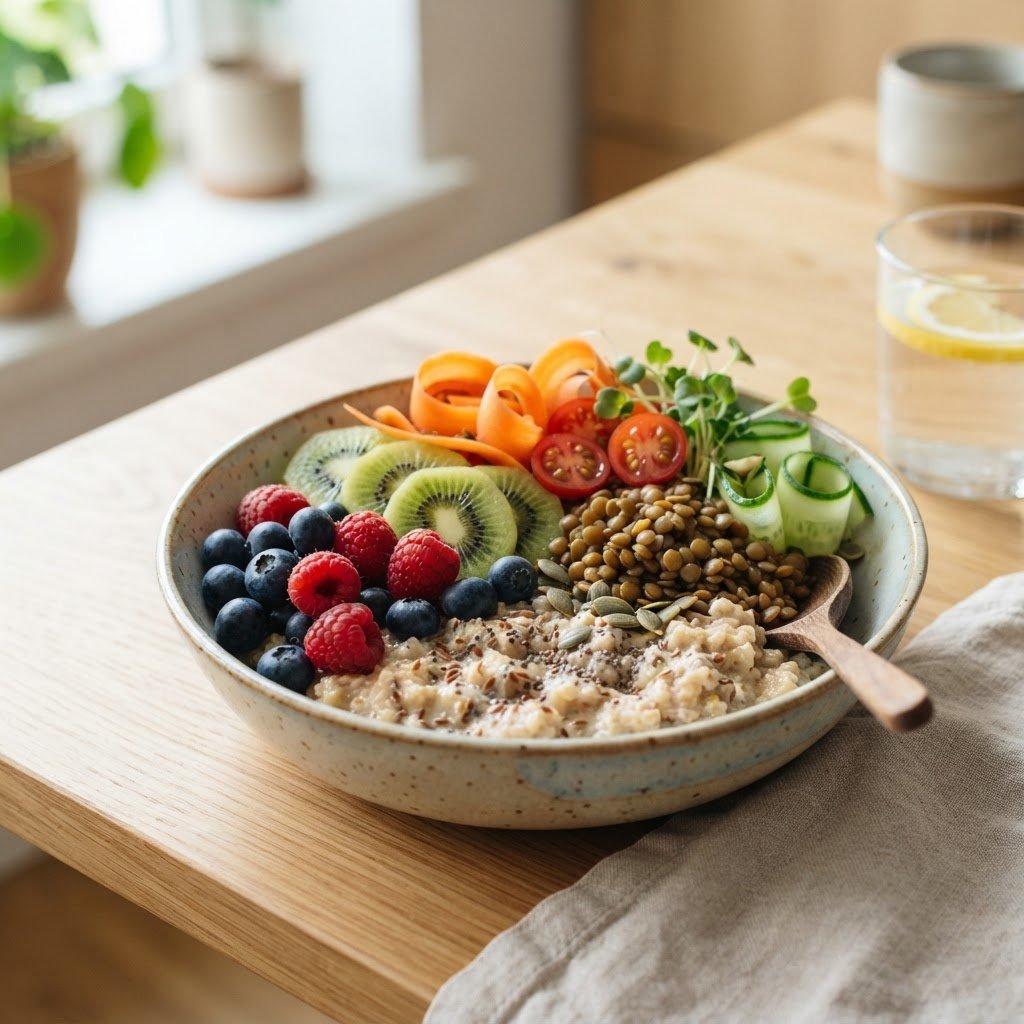
High-Fiber Foods for Constipation Relief: A Practical Adult Guide
Constipation is common, but the solution is rarely a single “magic” food. A consistent eating pattern, enough fluids, regular movement, and a gradual increase in fiber can support more comfortable bowel habits for many adults. This guide explains how to use high-fiber foods for constipation relief without creating unnecessary bloating or discomfort.
Constipation can mean fewer bowel movements, hard or lumpy stools, straining, or a feeling that the bowel has not fully emptied. If symptoms are sudden, severe, or accompanied by blood, vomiting, fever, unexplained weight loss, or intense pain, contact a healthcare professional rather than relying on diet alone.
How fiber supports regularity
Fiber is the part of plant food that is not fully digested in the small intestine. Some fiber adds bulk and holds water, while other types are fermented by gut bacteria. Together, these effects can help stool move through the digestive tract.
Soluble fiber forms a gel-like texture when mixed with water. Oats, beans, apples, citrus, chia, and psyllium are useful sources. Insoluble fiber adds structure and is found in wheat bran, vegetable skins, nuts, and many vegetables. Most people benefit from a mixture rather than focusing on only one type.
Best high-fiber foods for constipation relief

1. Kiwi and berries
Kiwi provides fiber and fluid in a relatively small serving, while berries add fiber and polyphenols to yogurt, oats, or salads. Start with a serving that feels comfortable and observe how your digestion responds.
2. Oats and barley
Oatmeal and barley contain beta-glucan, a soluble fiber that absorbs water. Try oats with berries and ground flax, or add cooked barley to soup. RizioShop’s prebiotic foods guide offers more ways to build a varied plant-food pattern.
3. Beans and lentils
Lentils, black beans, chickpeas, and kidney beans are rich in fiber and plant protein. If beans cause gas, begin with a small portion, rinse canned beans thoroughly, and increase slowly.
4. Chia and ground flaxseed
Chia and flax can be added to oatmeal, smoothies, or yogurt. Because they absorb liquid, pair them with water and avoid suddenly taking large amounts.
5. Vegetables and potato skins
Broccoli, carrots, green peas, sweet potatoes, and potatoes with the skin can all contribute fiber. Roasting or steaming may make vegetables easier to eat consistently.
6. Prunes
Prunes contain fiber and naturally occurring sorbitol, which may help some adults with stool softness and frequency. A small serving is a sensible place to start.
A simple one-day high-fiber meal plan

| Meal | Example |
|---|---|
| Breakfast | Oatmeal with kiwi, berries, and ground flaxseed |
| Lunch | Lentil soup with vegetables and whole-grain bread |
| Snack | Apple with nut butter or a small serving of prunes |
| Dinner | Roasted vegetables, brown rice, and beans or fish |
This is a framework, not a prescription. Portion size, food tolerance, medications, and health conditions all matter. The National Institute of Diabetes and Digestive and Kidney Diseases provides evidence-based constipation information, and the Mayo Clinic overview explains symptoms and warning signs.
How to increase fiber without worsening bloating
- Add one high-fiber food every few days instead of changing everything overnight.
- Drink fluids consistently throughout the day, unless a clinician has given you a fluid restriction.
- Walk after meals or build another comfortable movement habit.
- Keep a brief food and symptom note to identify portions that feel best.
Some people also explore fiber supplements such as psyllium. If you use one, follow the product directions, separate it from medications when advised, and discuss it with a pharmacist if you have swallowing difficulty or digestive disease. For related nutrition context, see RizioShop’s probiotics guide and balanced snack ideas.
When to seek medical advice
Talk with a clinician if constipation lasts several weeks, keeps returning, begins after a medication change, or interferes with daily life. Seek urgent care for severe abdominal pain, repeated vomiting, a swollen abdomen, black or bloody stools, or inability to pass gas.
FAQ
How much fiber should adults eat?
Needs vary by age and sex, but many adults are advised to aim for roughly 25–38 grams per day from foods. Increase gradually rather than chasing a number immediately.
Can fiber make constipation worse?
It can if intake rises quickly, fluids are inadequate, or a person has a condition where extra fiber is unsuitable. Persistent symptoms deserve professional guidance.
Are supplements better than food?
Food provides fiber alongside fluids and nutrients. A supplement may be useful for some people, but it should complement—not replace—a balanced pattern.
Conclusion
The most practical approach to high-fiber foods for constipation relief is variety, gradual change, adequate fluids, and attention to your own tolerance. Start with one meal, build consistency, and seek medical advice when symptoms are persistent or concerning.
Affiliate disclosure: RizioShop may earn a commission from qualifying purchases at no extra cost to you. This article is educational and is not medical advice.