

 Rizioshop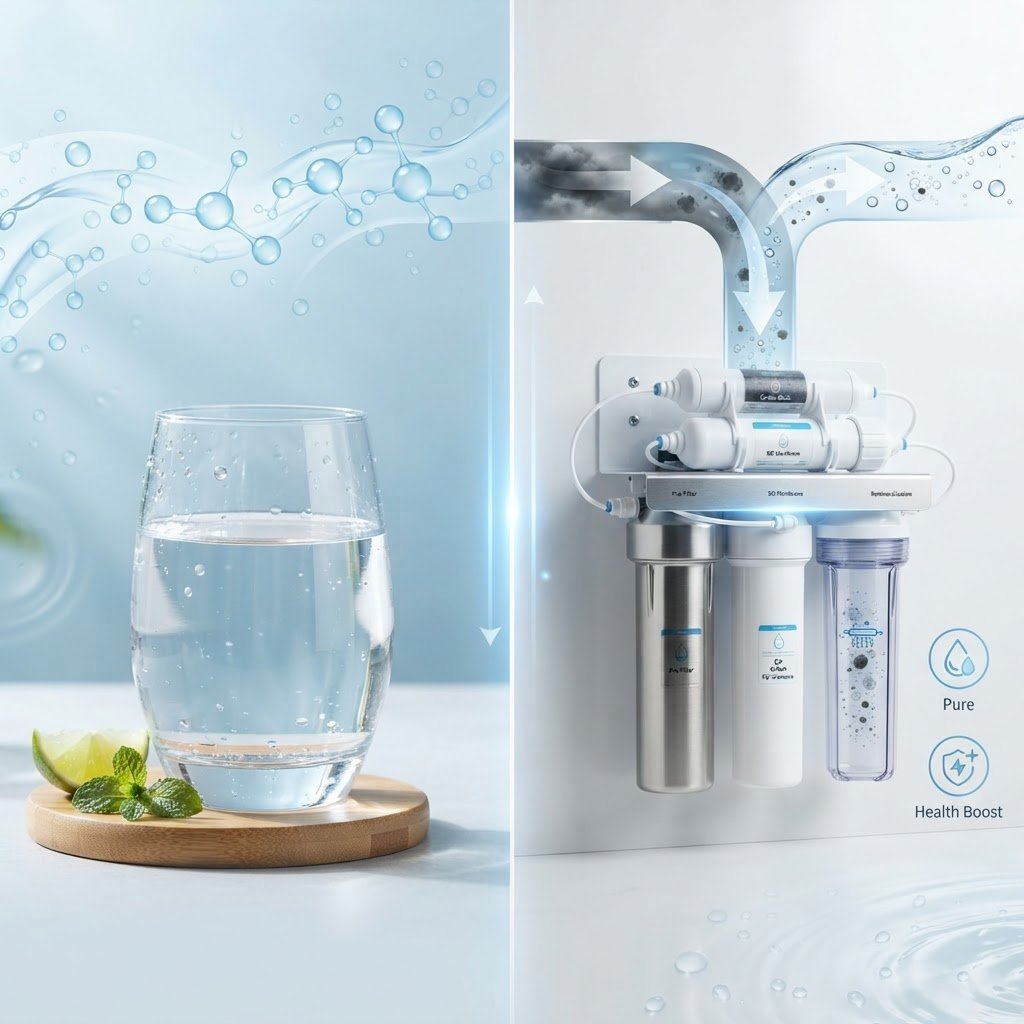
How Your Water Might Be Sabotaging Your Health (And What to Do About It)
| Quick Answer |
|---|
| Quick Answer: While municipal water treatment in the United States helps eliminate acute waterborne disease outbreaks, modern tap water frequently contains legal trace levels of disinfection byproducts, heavy metals (such as lead and copper), microplastics, and synthetic chemical compounds like PFAS (“forever chemicals”). Over time, sub-clinical exposure to these agents can irritate the digestive system, disrupt skin barrier function, and impair optimal hydration. Conducting regular water quality testing and installing an efficient water filter for home use—such as the Smart Water Box—allows you to reduce chemical exposures while preserving vital minerals for clean drinking water. |
| Key Takeaways |
|---|
|
Introduction: The Unseen Variable in Your Daily Health
Every morning, millions of health-conscious Americans wake up, drink a cold glass of tap water, brew organic coffee, and prepare nutrient-dense smoothies. We invest significantly in organic whole foods, high-grade dietary supplements, customized exercise routines, and non-toxic personal care products. Yet, one foundational element of daily wellness is frequently overlooked: the chemical composition and purity of the water flowing directly from our kitchen faucets.
Water is the fundamental molecule of biological life, making up approximately 60% of the adult human body, 73% of the brain and heart, and 83% of the lungs. It acts as the primary medium for cellular metabolism, nutrient transport, metabolic waste removal, joint lubrication, and thermal regulation. When the water you consume daily carries a subtle burden of industrial residues, heavy metals, treatment chemicals, and synthetic micro-pollutants, your physiology must work harder to process and clear these trace compounds. Over months and years, this continuous environmental exposure can become a silent, compounding stressor on your digestive system, skin integrity, and cellular vitality.
The relationship between water quality and health extends far beyond avoiding acute gastrointestinal illness. Today’s wellness conversation focuses on sub-clinical, chronic health optimization—how low-level exposure to widespread environmental chemicals impacts energy levels, metabolic function, thyroid health, and the delicate balance of the gut microbiome. While public municipal utility providers work hard to meet federal regulatory thresholds, there is a distinct gap between water that is legally permissible to distribute and water that actively supports optimal human physiology.
In this comprehensive guide, we will examine the realities of modern tap water safety in the United States, break down the scientific evidence regarding common drinking water contaminants, explore physical and subtle indicators of compromised water quality, evaluate home water testing methodologies, and compare modern filtration technologies. Finally, we will review modern home water purification innovations—including how solutions like the Smart Water Box deliver real-time, purified, mineral-balanced water to help safeguard your household’s daily hydration.
The Illusion of “Safe” Tap Water in the United States
When most Americans turn on their kitchen tap, they assume that because the water appears crystal clear and flows reliably, it is completely free of harmful constituents. This perception is understandable. The establishment of public water treatment in the 20th century was one of the greatest public health achievements in modern history, dramatically reducing waterborne pathogens across North America.
However, modern municipal water treatment systems were engineered primarily in the mid-20th century. Their principal objective was biological disinfection—neutralizing pathogenic bacteria, viruses, and parasites using chemical disinfectants like chlorine. These systems were not designed to filter out the tens of thousands of synthetic industrial chemicals, pharmaceuticals, agricultural pesticides, and microplastics that have entered our freshwater ecosystems over the past fifty years.
1. Safe Drinking Water Act (SDWA) Standards vs. Modern Biological Realities
The primary federal law governing public water supplies in the United States is the Safe Drinking Water Act (SDWA), passed by Congress in 1974 and amended in 1986 and 1996. Under the SDWA, the U.S. Environmental Protection Agency (EPA) sets Maximum Contaminant Levels (MCLs) for roughly 90 specific drinking water contaminants. While this regulatory framework provides a vital baseline of protection, environmental toxicologists point out several structural limitations:
- Sluggish Regulatory Updates: The EPA has added very few new chemical compounds to its enforceable standard list over the past two decades, despite thousands of new commercial chemicals entering production and industrial use.
- Economic and Feasibility Trade-Offs: EPA Maximum Contaminant Levels are legally enforced limits that must account for municipal treatment costs and technical feasibility. Consequently, an MCL is often set higher than the Maximum Contaminant Level Goal (MCLG)—the level at which no known or expected adverse health effects occur.
- Single-Chemical Evaluation: Regulatory standards evaluate chemicals individually in laboratory settings. In reality, tap water often contains complex “cocktails” of multiple trace contaminants operating simultaneously. Science is only beginning to understand the synergistic long-term physiological impacts of multi-chemical exposures.
2. Legal Limits vs. Health Guidelines (The EWG Database Gap)
To understand the difference between legal compliance and health recommendations, consider the work of environmental research organizations such as the Environmental Working Group (EWG). The EWG Tap Water Database compiles millions of public water testing records from utilities across all 50 states and compares detected chemical concentrations against health guidelines established by independent toxicologists and state health agencies (such as California’s Office of Environmental Health Hazard Assessment).
The analysis reveals a stark contrast: millions of American homes receive tap water that complies fully with federal law, yet contains chemical levels significantly higher than what medical and public health researchers consider optimal for long-term health. For example, compounds like hexavalent chromium (chromium-6), nitrates from agricultural runoff, and trihalomethanes regularly test within legal EPA boundaries while exceeding recommended health benchmarks by factors of 10 to 100.
3. Aging Municipal Infrastructure and Secondary Contamination
Even when a municipal treatment facility succeeds in producing highly purified water at its centralized outlet, that water must travel through an extensive, aging distribution grid before reaching your home. According to the American Society of Civil Engineers (ASCE), the United States underground water network comprises over 2.2 million miles of pipes, many of which were installed in the early-to-mid 20th century.
As water traverses these aging distribution pipes, secondary contamination can occur through several mechanisms:
- Corroding Infrastructure: Aging iron, steel, and concrete main lines accumulate bio-films, rust particles, and sediment, which can slough off into drinking water streams.
- Lead Service Lines and Home Plumbing: An estimated 6 to 10 million homes in America are still served by lead service lines or possess interior plumbing with lead solder and brass fixtures installed prior to the 1986 Safe Drinking Water Act amendments. Lead dissolves invisibly into standing water, posing severe risk without changing water clarity or taste.
- Water Main Breaks and Depressurization: With an estimated 240,000 water main breaks occurring annually across the country, localized pressure drops can draw groundwater contaminants and soil pollutants directly into broken distribution pipes.
Hidden Contaminants: How Unseen Chemicals Affect Everyday Wellness
Understanding the specific chemical and particulate entities found in tap water helps clarify the full scope of water quality and health. Below is a detailed breakdown of the primary contaminant categories documented in American municipal and private well water supplies, shedding light on potential contaminated water health risks.
1. Heavy Metals: Lead, Copper, Arsenic, and Cadmium
Heavy metals enter water supplies through geological deposits, industrial wastewater discharge, and corroding plumbing materials. Unlike organic compounds, heavy metals do not break down over time; they accumulate in human tissues and organs.
- Lead (Pb): A potent neurotoxin with no known safe level of exposure according to the World Health Organization (WHO) and CDC. Chronic low-level lead intake accumulates in bone tissue and can impair cognitive function, elevate blood pressure, and strain kidney performance in adults.
- Copper (Cu): While essential in trace amounts, elevated copper leached from household copper pipes can cause severe gastrointestinal distress, nausea, abdominal cramping, and long-term hepatic strain.
- Arsenic (As): A naturally occurring metalloid widely found in private well water across the US Southwest, Midwest, and New England. Long-term exposure to arsenic in drinking water is linked to skin lesions, metabolic disruptions, and cardiovascular strain.
2. “Forever Chemicals” (PFAS, PFOA, PFOS)
Per- and polyfluoroalkyl substances (PFAS) are a class of over 12,000 synthetic organofluorine compounds widely used since the 1940s in non-stick cookware, stain-resistant fabrics, firefighting foams, and food packaging. Known as “forever chemicals” because the carbon-fluorine bond is one of the strongest in organic chemistry, PFAS compounds do not degrade naturally in the environment or in the human body.
Recent studies by the U.S. Geological Survey (USGS) estimate that at least 45% of the nation’s tap water contains one or more PFAS chemicals. Epidemiological studies have connected chronic PFAS exposure with altered immune responses, elevated LDL cholesterol, liver enzymes alteration, thyroid dysfunction, and lower birth weights. In 2024, the EPA introduced historic new national drinking water standards for six common PFAS chemicals, recognizing that even parts-per-trillion (ppt) concentrations pose health concerns over a lifetime.
3. Disinfection Byproducts (DBPs): Trihalomethanes and Haloacetic Acids
To eliminate lethal waterborne pathogens, water treatment facilities add chemical disinfectants like chlorine or chloramines. While chlorination saves lives from bacterial outbreaks, chlorine reacts with naturally occurring organic matter (decaying leaves, soil humic acids) present in source water to create secondary chemical compounds known as Disinfection Byproducts (DBPs).
The two major classes of regulated DBPs are:
- Total Trihalomethanes (TTHMs): Includes chloroform, bromodichloromethane, dibromochloromethane, and bromoform.
- Haloacetic Acids (HAA5): Includes monochloroacetic acid, dichloroacetic acid, trichloroacetic acid, monobromoacetic acid, and dibromoacetic acid.
DBPs are volatile chemical compounds. Humans absorb DBPs not only by drinking tap water, but also through inhalation and skin absorption during warm showers and baths. Toxicological studies suggest that long-term inhalation and ingestion of elevated DBPs can cause oxidative stress, irritate respiratory passages, strain liver detoxification pathways, and trigger bladder and renal irritation.
4. Microplastics, Synthetic Hormones, and Pharmaceuticals
Modern analytical laboratory testing now detects ultra-fine microplastic fibers and pharmaceutical residues in municipal water sources nationwide. Microplastics—particles smaller than 5 millimeters resulting from synthetic clothing shedding, industrial runoff, and degrading plastic waste—act as physical irritants within the digestive tract and can absorb environmental pollutants onto their surfaces.
Furthermore, trace concentrations of prescription drugs—including synthetic estrogens from birth control, antidepressants, blood pressure medications, and pain relievers—enter wastewater systems through human excretion and improper disposal. While municipal facilities filter out large particulates, conventional treatment processes rarely break down active pharmaceutical ingredients, leaving microscopic chemical traces in finished tap water.
5. Chlorine, Chloramines, and Skin/Gut Barrier Health
Beyond creating DBPs, the residual chlorine or chloramines left in tap water serve a purpose in distribution lines: maintaining sterility until the water exits your faucet. However, once that water reaches your kitchen or bathroom, residual disinfectant chemical agents can interact directly with human biological membranes.
- Gut Microbiome Considerations: Chlorine is an effective antimicrobial agent designed to destroy single-celled organisms. Drinking highly chlorinated tap water daily introduces small doses of antimicrobial agents into the gastrointestinal tract, potentially impacting the diversity and balance of beneficial gut bacteria.
- Skin Barrier Compromise: Shimmering hot shower water volatilizes chlorine gas and strips the natural lipid barrier from human skin and hair. Individuals struggling with eczema, dry skin, scalp irritation, or brittle hair often discover significant relief after installing shower filtration or whole-home water conditioning.
| Contaminant Category | Primary Source | EPA Legal Limit (MCL) | Health Benchmark / EWG Goal | Primary Health Concerns & Impact |
|---|---|---|---|---|
| Lead (Pb) | Corroding service lines, brass faucets, lead solder | 15 ppb (Action Level) | 0 ppb (Zero exposure) | Neurodevelopmental delays, cardiovascular strain, elevated blood pressure, renal burden. |
| PFAS / PFOA / PFOS | Industrial runoff, non-stick coatings, firefighting foams | 4.0 ppt (New 2024 Rule) | 0.007 ppt (Health advisory) | Thyroid dysfunction, elevated cholesterol, immune suppression, metabolic disruption. |
| Trihalomethanes (TTHMs) | Chlorine reacting with organic matter in water | 80 ppb | 0.15 ppb | Oxidative stress, liver and kidney strain, respiratory irritation during shower inhalation. |
| Nitrates (NO3) | Agricultural fertilizer runoff, septic leakage | 10 ppm (as Nitrogen) | 0.14 ppm | Impaired blood oxygen transport (“blue baby syndrome”), thyroid hormone disruption. |
| Arsenic (As) | Natural rock deposits, industrial emissions | 10 ppb | 0.004 ppb | Skin hyperpigmentation, cardiovascular strain, metabolic and endocrine disruption. |
| Chlorine / Chloramines | Municipal disinfection additive | 4.0 ppm (MRDL) | N/A (Aesthetic/Skin limit) | Gut microbiome irritation, skin dry barrier damage, eye and respiratory discomfort. |
Signs Your Household Water Quality May Be Compromised
Because many dangerous contaminants like lead, PFAS, and nitrate are entirely colorless, odorless, and tasteless, relying solely on sensory perception is not sufficient. However, several physical and subtle health indicators strongly suggest that your home’s tap water warrants immediate investigation and testing.
1. Physical and Aesthetic Water Indicators
- Persistent Metallic or Chemical Taste: A sharp, bitter, or metallic taste often indicates dissolved copper, iron, zinc, or low pH levels causing pipe corrosion. A swimming pool odor signals elevated free chlorine or chloramine levels.
- Sulfur or “Rotten Egg” Odor: Usually caused by hydrogen sulfide gas produced by sulfur-reducing bacteria in groundwater, hot water heaters, or anaerobic plumbing environments.
- Cloudiness or Turbidity: Water that appears milky or cloudy out of the tap indicates suspended fine particulates, air bubbles, or micro-sediment that can harbor bacterial micro-colonies.
- Limescale and Crusty Mineral Deposits: Hard water containing high concentrations of dissolved calcium and magnesium leaves stubborn white buildup on showerheads, faucets, kettles, and glassware. While calcium and magnesium are dietary minerals, extremely hard water clogs appliances and reduces soap efficiency.
- Staining on Fixtures and Laundry: Reddish-brown stains indicate iron presence; bluish-green stains point to copper corrosion from acidic water; dark brown/black spots signal dissolved manganese.
2. Subtle Health and Daily Wellness Indicators
- Unexplained Dryness and Skin Irritation: Experiencing tight, itchy, or dry skin immediately after showering—despite using gentle cleansers—often stems from high residual chlorine and hard mineral salts stripping natural protective oils.
- Dull, Frizzy, or Brittle Hair: Hard water minerals bind to hair proteins, blocking deep moisture absorption and causing hair color treatments to fade rapidly.
- Frequent Digestive Discomfort: Mild, recurring stomach sensitivity after drinking unfiltered tap water can be triggered by chlorine residual, high sulfate content, or low-grade microbial biofilms in local plumbing.
- Lethargy and Poor Hydration Habits: When household tap water tastes off-putting, family members naturally drink less water overall, leading to sub-clinical dehydration characterized by headaches, fatigue, poor concentration, and dry mucous membranes.
How to Test and Assess Your Home’s Water Quality
Taking control of your hydration begins with concrete data. Conducting proper water quality testing allows you to evaluate your home water safety accurately rather than guessing what comes out of your kitchen faucet.
Step 1: Obtain and Read Your Annual Consumer Confidence Report (CCR)
If your home is connected to a public community water system, federal law requires your utility provider to deliver an annual water quality report known as the Consumer Confidence Report (CCR) by July 1st of each year. You can typically download this report directly from your local water utility website or the EPA’s online CCR database.
When reviewing your CCR, pay close attention to:
- Detected Level vs. EPA Standard (MCL): Check whether any tested compounds approached or exceeded federal legal maximums.
- Water Source Information: Identify whether your water originates from surface water (lakes, rivers—higher risk for runoff and DBPs) or deep groundwater aquifers (higher risk for hard minerals, arsenic, and radon).
- Violations History: Look at the compliance section to see if your utility received any formal monitoring or treatment technique violations during the reporting period.
Important Note: The CCR reflects water quality testing conducted at the treatment plant or main distribution checkpoints. It does not account for heavy metals or contaminants picked up inside the municipal pipes on your street or within your building’s internal plumbing.
Step 2: Utilize Certified Laboratory Testing Kits
For private well owners—or homeowners wanting precise data at their specific kitchen tap—sending water samples to a state-certified laboratory is the gold standard of testing. Certified laboratory tests use advanced instrumentation like Mass Spectrometry (ICP-MS) and High-Performance Liquid Chromatography (HPLC) to detect contaminants down to parts-per-billion (ppb) or parts-per-trillion (ppt) levels.
Comprehensive home lab testing packages typically evaluate:
- Heavy metal profiles (Lead, Copper, Arsenic, Cadmium, Mercury, Chromium)
- Disinfection byproducts (TTHMs and HAA5)
- Volatile Organic Compounds (VOCs) and pesticides
- PFAS chemical panel
- Physical parameters (pH, Total Dissolved Solids, Hardness, Alkalinity)
- Microbiological screen (Coliform bacteria and E. coli)
Step 3: Understanding Instant Home Test Strips vs. Digital Meters (TDS)
Over-the-counter DIY test strip kits and handheld Total Dissolved Solids (TDS) meters offer quick, affordable feedback, but it is important to understand their limitations:
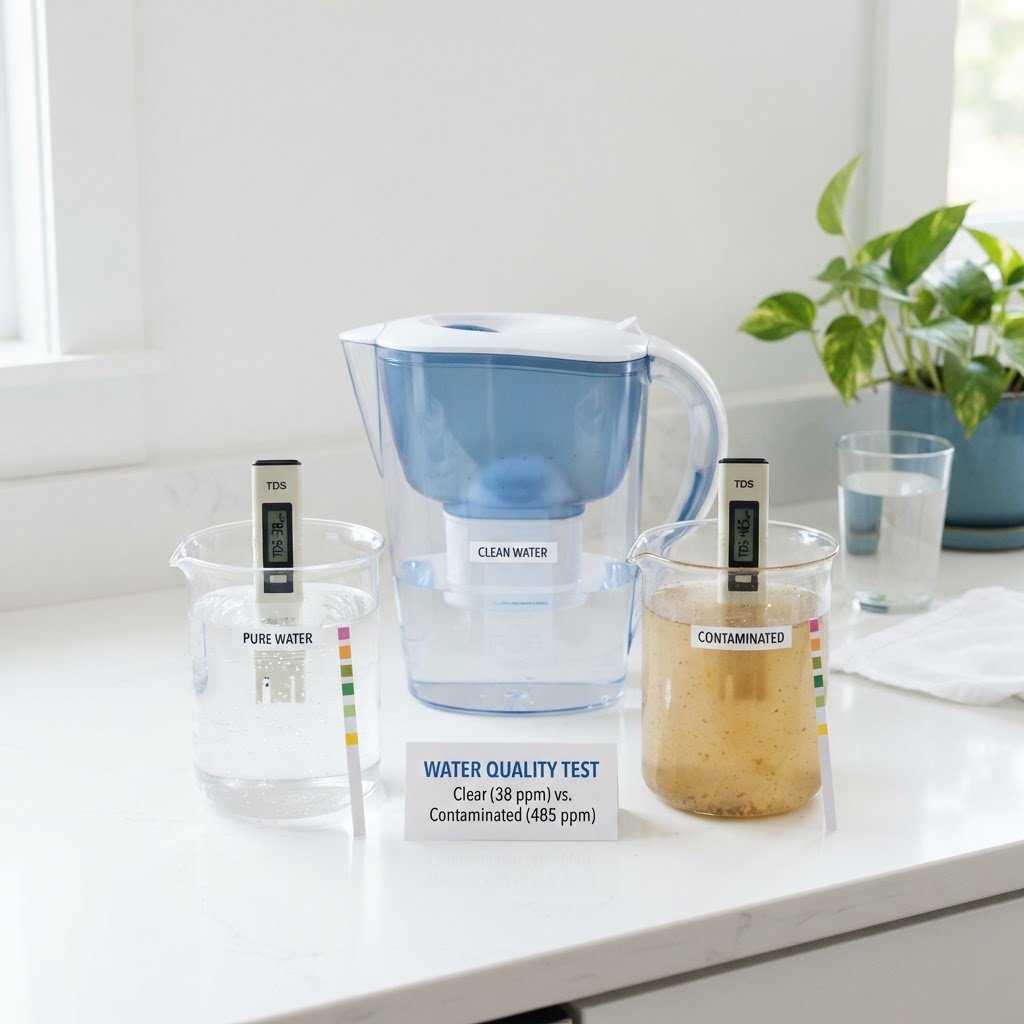
- TDS Meters: A digital TDS meter measures the electrical conductivity of water to estimate dissolved mineral ions (calcium, magnesium, potassium, sodium, chloride). A high TDS reading means water is rich in dissolved minerals; a low TDS reading indicates soft or purified water. However, a TDS meter cannot distinguish between beneficial calcium minerals and toxic lead or arsenic ions. Therefore, a low TDS reading does not automatically prove water is completely safe, nor does a moderate TDS reading mean water is toxic.
- Test Strips: Colorimetric test strips are helpful for immediate checks of pH, total hardness, free chlorine, and nitrates. However, they lack the sensitivity required to detect dangerous trace chemicals like PFAS, lead, or microplastics.
Evaluating Water Filtration Technologies: What Actually Works?
Once you understand what may be present in your tap water, selecting the correct home filtration technology is the next step toward securing clean drinking water. Experiencing the full range of water filtration benefits requires selecting an efficient water filter for home settings that addresses your specific water chemistry.
| Filtration Technology | Primary Mechanism | Contaminants Targeted | Key Advantages | Limitations & Drawbacks |
|---|---|---|---|---|
| Gravity Pitcher Filters | Basic Granular Activated Carbon (GAC) | Chlorine taste, odor, large sediment | Low initial cost, highly portable, no installation | Slow filtration, misses heavy metals, fluoride, microplastics, and PFAS; high replacement cost over time. |
| Faucet-Mounted Filters | Compressed Activated Carbon Block | Chlorine, lead (some models), VOCs, micro-sediment | Inexpensive, easy direct tap connection | Slowing flow rate, fragile casing, reduced contact time due to small filter volume. |
| Under-Sink Reverse Osmosis (RO) | Semi-permeable membrane + multi-stage pre/post filters | 95-99% of all contaminants (PFAS, heavy metals, fluoride, DBPs, microplastics) | Exceptional purity, reliable deep reduction of dissolved solids | Wastes 2-4 gallons of water per gallon purified; strips healthy minerals unless re-mineralized; complex under-sink plumbing required. |
| Countertop Smart Multi-Stage Systems | Catalytic carbon + ultra-filtration / RO + re-mineralization + smart sensors | PFAS, heavy metals, DBPs, microplastics, chlorine, sediment | Zero plumbing required, preserves healthy mineral balance, real-time water quality monitoring, zero water waste in advanced designs. | Higher upfront cost than basic pitchers, requires countertop footprint. |
| Whole-House Conditioning Systems | Ion exchange / GAC tank filtration | Hardness minerals, chlorine across all household outlets | Protects home plumbing, water heaters, showers, and appliances | High installation cost ($1,500-$4,000+); whole-house softeners do not provide point-of-use drinking water purification. |
1. Activated Carbon and Catalytic Carbon Filtration
Activated carbon is the workhorse of modern water treatment. Made from organic carbon sources like coconut shells or coal baked at extreme temperatures, activated carbon creates millions of microscopic pores that trap organic chemicals through physical adsorption.
- Granular Activated Carbon (GAC): Loose carbon granules found in standard pitcher filters. GAC improves water taste by absorbing chlorine, but water often channels around granules, reducing contact time and leaving complex contaminants uncaptured.
- Carbon Block Filters: Finely pulverized carbon compressed into a solid brick. Carbon block forces water through dense sub-micron pathways, offering dramatically higher contact time and capturing fine sediment, pesticides, VOCs, and microplastics.
- Catalytic Carbon: An advanced, chemically modified form of activated carbon designed to break down persistent chloramines and hydrogen sulfide gas that standard carbon cannot capture effectively.
2. Reverse Osmosis (RO) and Re-Mineralization
Reverse Osmosis forces water under pressure through a synthetic semi-permeable membrane with pore sizes down to 0.0001 microns—roughly 100,000 times smaller than the width of a human hair. RO membranes block dissolved inorganic ions, heavy metals, nitrates, fluoride, microplastics, and ultra-fine PFAS molecules.
While RO produces exceptionally pure water, traditional systems have two main drawbacks:
- Demineralization (“Flat” Water): RO removes both harmful contaminants and beneficial alkaline minerals (calcium, magnesium, potassium). Pure demineralized water can taste flat or slightly acidic, leading health experts to recommend systems featuring integrated re-mineralization stages that restore vital minerals in balanced ratios.
- Water Waste: Traditional under-sink RO systems divert 2 to 4 gallons of waste water down the drain for every single gallon of purified water produced.
3. Ultraviolet (UV) Disinfection and Ultra-Filtration (UF) Membranes
Ultra-Filtration membranes utilize hollow fiber tubes with pore sizes around 0.01 to 0.1 microns. UF blocks suspended solids, microplastics, bacteria, and cysts without generating wastewater or stripping natural minerals. When paired with high-intensity Ultraviolet (UV-C) light purification, microorganisms, viruses, and bacteria are rendered biologically inactive without adding chemical disinfectants.
4. Smart Monitoring and Real-Time Water Quality Intelligence
One of the largest hidden flaws of traditional water filters is user error in maintenance. Filter cartridges degrade over time as their adsorption sites saturate. Operating an exhausted filter cartridge can lead to “contaminant breakthrough,” where accumulated pollutants wash back into your drinking water at higher concentrations than in untreated tap water.
Modern smart water filtration systems eliminate this risk by integrating electronic sensors, optical flow meters, and digital TDS/turbidity monitoring directly into the filtration housing. These intelligent systems measure actual volume processed and real-time purity metrics, alerting users precisely when filter replacement is necessary.
Enter the Smart Water Box: A Modern Solution for Home Water Security
When evaluating the marketplace for an ideal home drinking water solution that balances maximum contaminant reduction, healthy mineral balance, zero plumbing complexity, and intelligent operation, the Smart Water Box stands out as a top-tier contender for health-conscious households.
1. What Is the Smart Water Box and How Does It Work?
The Smart Water Box is an advanced countertop water purification appliance designed specifically for modern living spaces, apartments, home offices, and busy family kitchens. Unlike traditional under-sink systems that require professional plumbing, drilling into countertops, and sacrificing under-cabinet storage, the Smart Water Box operates seamlessly right out of the box with zero permanent installation required.
By engineered multi-stage filtration technology, the device transforms ordinary municipal or well tap water into pristine, refreshing, mineral-balanced drinking water within seconds.
2. Multi-Stage Filtration Architecture & Mineral Balance
The core innovation of the Smart Water Box lies in its multi-layered matrix approach to filtration:
- Stage 1: High-Density Sediment Pre-Filter: Traps visible rust, silt, sand, pipe scale, and suspended micro-particulates, protecting subsequent fine filter media from premature clogging.
- Stage 2: Premium Coconut Shell Catalytic Carbon Block: Adsorbs free chlorine, chloramines, synthetic pesticides, industrial VOCs, trihalomethanes, and unpleasant odors, restoring a crisp, clean mountain-spring taste.
- Stage 3: Advanced Micro-Permeable Membrane Matrix: Targets tough sub-micron pollutants, including lead, copper, microplastics, pharmaceuticals, and toxic PFAS “forever chemicals.”
- Stage 4: Active Re-Mineralization & pH Balancer: Infuses precise ratios of dietary calcium, magnesium, and trace minerals back into filtered water, optimizing taste and maintaining an ideal alkaline pH.
By combining high-efficiency purification with post-filtration re-mineralization, the system solves the classic problem of demineralized “flat” water, ensuring every glass supports daily cellular hydration.
3. Real-Time Water Quality Intelligence and Filter Life Tracking
Rather than relying on vague calendar estimates (e.g., “replace filter every 6 months”) that ignore differences in household water usage and tap quality, the Smart Water Box features a built-in digital display panel. It continuously measures real-time Total Dissolved Solids (TDS) and volumetric throughput.
The user interface provides instant visual confirmation of input tap water quality versus output purified water quality, taking the guesswork out of daily hydration and alerting you precisely when replacement filter cartridges are needed. You can see the official product page to learn more about its technical specifications and smart sensor capabilities.
4. Installation, Maintenance, and Cost-Per-Gallon Analysis
From an economic and environmental perspective, countertop smart filtration offers compelling benefits over single-use plastic bottled water:
- Zero Plumbing Hassle: Simply fill the removable source tank, plug the appliance into a standard wall outlet, and enjoy instant purified water.
- Bottled Water Savings: Buying premium bottled spring water for a family of four can easily cost $600 to $1,200 annually, while contributing hundreds of plastic bottles to landfills. The Smart Water Box provides thousands of gallons of pure water at a fraction of a cent per cup.
- Low Maintenance: Quick-change filter cartridges twist into place within seconds without tools or technical expertise.
5. Who Benefits Most from the Smart Water Box?
While clean drinking water is essential for everyone, the Smart Water Box is particularly suited for:
- Families with Young Children & Babies: Supporting developing neurological systems by reducing lead, nitrates, and trace DBPs during critical growth years.
- Fitness & Athletic Enthusiasts: Ensuring optimal hydration, mineral replenishment, and intracellular fluid balance during intense workout recovery.
- Renters & Apartment Dwellers: Gaining access to high-grade filtration without violating lease agreements or making permanent plumbing modifications.
- Health & Longevity Advocates: Minimizing chronic chemical exposures to support liver function, gut microbiome balance, and skin radiance.
To read our detailed hands-on testing and performance breakdown, check out our full Smart Water Box review on RizioShop.
Actionable Steps to Improve Your Daily Hydration & Household Water Safety
Protecting your household’s water quality and health involves both deploying effective technological solutions and adopting smart daily habits. Here are actionable, expert-backed strategies you can implement starting today:
1. Flush Cold Water Pipes Before Consumption
If water has sat stagnant in your household plumbing overnight or for several hours while you were at work, open your kitchen tap and let cold water run for 1 to 2 minutes before filling a glass or cooking pot. Stagnant water leaches significantly higher concentrations of lead, copper, and zinc from brass fixtures and pipe solder. Always use cold tap water for drinking and cooking, as hot tap water dissolves metals faster and may pull sediment from hot water heaters.
2. Upgrade to Glass or Stainless Steel Water Containers
Even if you filter your water meticulously at home, storing or drinking that water from low-grade single-use plastic bottles or non-BPA-free plastic jugs can re-contaminate your water with plasticizers, phthalates, and bisphenol compounds—especially when exposed to warm temperatures or sunlight. Switch to high-quality stainless steel insulated flasks or borosilicate glass bottles for on-the-go hydration.
3. Clean Household Aerators and Water Fixtures Regularly
The small mesh screen unscrewed from the tip of your kitchen faucet—the aerator—accumulates tiny mineral flakes, rust scale, and sediment over time. Unscrew your aerators every three to six months, soak them in white vinegar to dissolve mineral scale, rinse thoroughly, and reinstall them to maintain clean, unobstructed water flow.
4. Address Bathing and Showering Water Quality
Because your skin is your body’s largest organ, absorbing chemical compounds through skin pores and inhaling vaporized chlorine gas in a hot shower can contribute significantly to total chemical exposure. Installing an affordable, multi-stage shower filter containing KDF-55 media and calcium sulfite effectively neutralizes free chlorine, supporting your skin barrier and hair follicle health.
5. Establish an Emergency Water Storage Plan
Beyond daily filtration, every family should maintain at least one gallon of clean stored drinking water per person per day for a minimum of three to seven days to prepare for natural disasters, municipal main breaks, or boil-water advisories. Keep emergency water stored in food-grade, dark-colored containers away from direct sunlight and chemical vapors.
Conclusion: Taking Control of Your Water Quality and Long-Term Health
In our modern environment, clean drinking water can no longer be taken for granted. While public water utilities perform the vital baseline function of reducing microbial outbreaks, municipal tap water across the United States regularly contains trace levels of heavy metals, disinfection byproducts, microplastics, and persistent synthetic chemicals like PFAS. Over time, exposure to these unseen compounds can create a quiet, compounding burden on your body’s physiological resilience, skin integrity, and gut health.
Fortunately, you do not need to accept compromised water quality. By taking proactive steps—reviewing your municipal water report, utilizing certified home testing, adopting healthy household water habits, and investing in advanced multi-stage filtration—you can effectively protect your household’s daily hydration.
Solutions like the Smart Water Box combine high-grade multi-stage purification with mineral re-balancing and real-time electronic quality tracking, making it easier than ever to enjoy pure, delicious, health-supporting water directly from your kitchen countertop. Take control of your daily water quality today—your body, skin, and long-term vitality will thank you for every clean glass you drink.