

 Rizioshop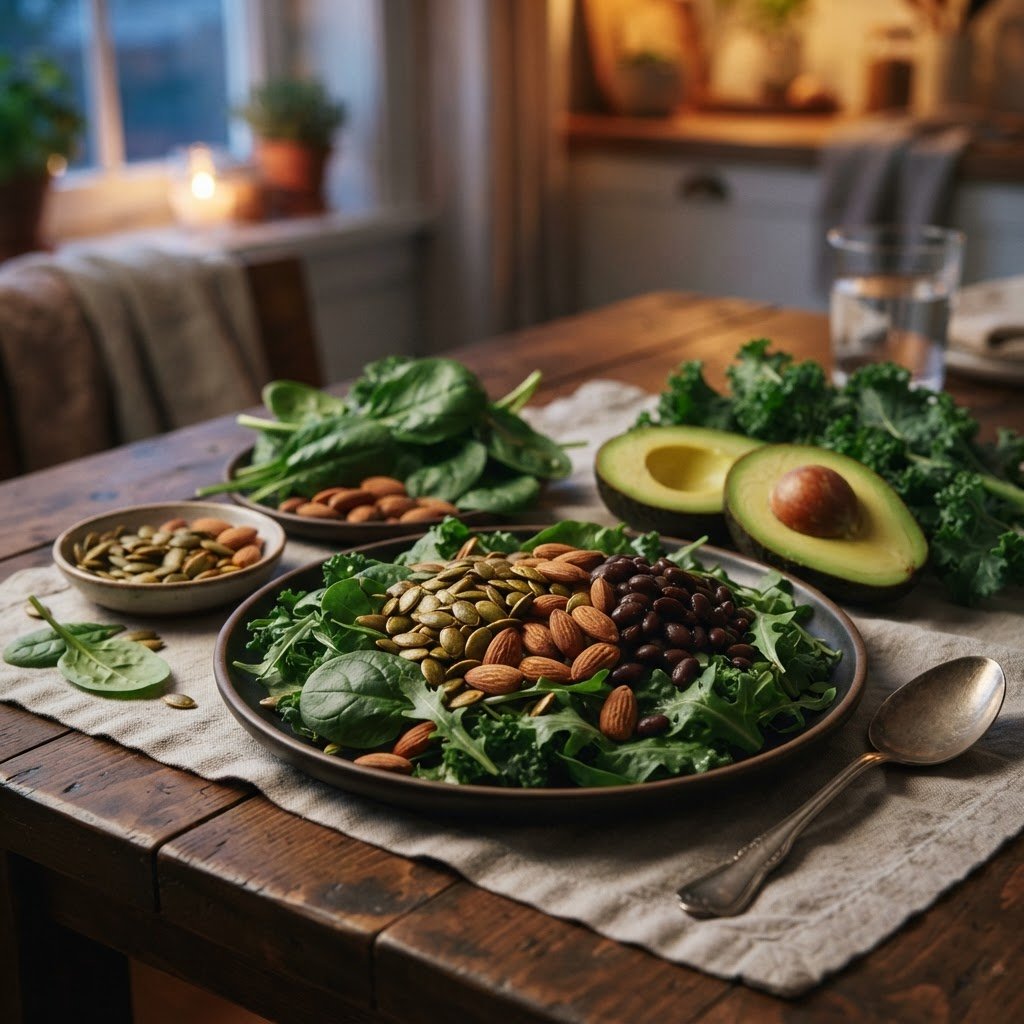
Magnesium-Rich Foods for Better Sleep: Practical Guide
When sleep feels inconsistent, it is tempting to search for one perfect supplement. A more sustainable starting point is a balanced eating pattern that includes magnesium-rich foods for better sleep, regular meal timing, and a calming evening routine.
Magnesium is involved in many normal body processes, including nerve and muscle function. Food is not a sleeping pill, and eating more magnesium does not guarantee better sleep, but nutrient-dense meals can support overall wellness.
What magnesium does in the body
Magnesium participates in hundreds of biochemical reactions. It is found in leafy greens, legumes, nuts, seeds, whole grains, and some seafood. Needs vary by age and sex, and the appropriate intake may be different for people with certain medical conditions.
The National Institutes of Health Office of Dietary Supplements provides a useful magnesium fact sheet. Use it as a starting point, not a substitute for personal medical advice.
Top magnesium-rich foods to add to meals
| Food | Simple serving | Why it fits a sleep-friendly pattern |
|---|---|---|
| Pumpkin seeds | 1 ounce | Easy topping for yogurt, oats, or salads |
| Black beans | ¾ cup cooked | Provides magnesium, protein, and fiber |
| Cooked spinach | ½ cup | Easy to add to eggs, pasta, or soup |
| Almonds | 1 ounce | Portable snack with healthy fats |
| Avocado | ½ fruit | Works in toast, bowls, and salads |
| Whole grains | ½–1 cup cooked | Pairs well with vegetables and legumes |
Five evening meal ideas
1. Salmon, spinach, and quinoa
Serve cooked salmon with sautéed spinach and quinoa. Add lemon and herbs instead of relying on a heavy sauce. This meal offers protein, vegetables, and a satisfying carbohydrate source.
2. Black bean and avocado bowl
Combine black beans, brown rice, avocado, tomatoes, and pumpkin seeds. Keep the portion comfortable and avoid eating so late that the meal disrupts your sleep.
3. Lentil soup with whole-grain bread
A warm lentil soup can be filling without being elaborate. Add carrots, greens, and a side of whole-grain bread for a balanced plate.
4. Yogurt, oats, and seeds
For a lighter evening option, choose plain yogurt with oats, pumpkin seeds, almonds, and berries. Adjust the portion if dairy or fiber late at night bothers your digestion.

5. Tofu and vegetable stir-fry
Cook tofu with broccoli, greens, mushrooms, and a small portion of brown rice. Use ginger, garlic, or low-sodium tamari for flavor.
Magnesium foods and sleep habits work together
Food is one piece of a broader sleep routine. Keep a consistent wake time, dim bright lights in the evening, limit caffeine late in the day, and make the bedroom comfortable. Our guides to natural sleep aids without melatonin, blue light and sleep, and bedtime snacks offer related ideas.
Should you take a magnesium supplement?
Not everyone needs one. Supplements can interact with medications and may cause digestive symptoms. The NIH notes that supplemental magnesium has an upper limit for adults that is different from magnesium naturally present in food.
Ask a clinician or pharmacist before supplementing if you have kidney disease, take multiple medicines, are pregnant, or are considering a high dose. Never use a supplement to delay evaluation of ongoing insomnia or another health concern.
How to increase magnesium gradually
- Add seeds or nuts to one meal.
- Include beans or lentils several times per week.
- Replace refined grains with whole grains when comfortable.
- Add a serving of leafy greens to lunch or dinner.
- Track digestion and adjust portions rather than making a sudden extreme change.
A varied diet is more useful than focusing on one “superfood.” Our magnesium glycinate guide explains why food and supplement conversations should remain separate.
FAQ
Which food has the most magnesium?
Seeds, nuts, legumes, leafy greens, and whole grains are among the better food sources. The amount depends on the food and serving size.
Can magnesium-rich foods make me sleepy immediately?
There is no reliable promise of an immediate effect. Think of these foods as part of a balanced nutrition and sleep routine.
Is it better to eat magnesium at night?
Not necessarily. Consistent intake across the day can be practical; choose timing based on comfort and your usual schedule.
Can I get enough magnesium from food?
Many people can meet their needs through a varied diet, although individual circumstances differ.
Conclusion
Magnesium-rich foods for better sleep are ordinary ingredients with useful nutrition: beans, seeds, greens, whole grains, nuts, and avocado. Add them gradually, pair them with consistent sleep habits, and seek professional guidance when sleep problems persist.
Affiliate disclosure: This article may contain affiliate links. RizioShop may receive a commission if you purchase through a qualifying link, at no additional cost to you.