

 Rizioshop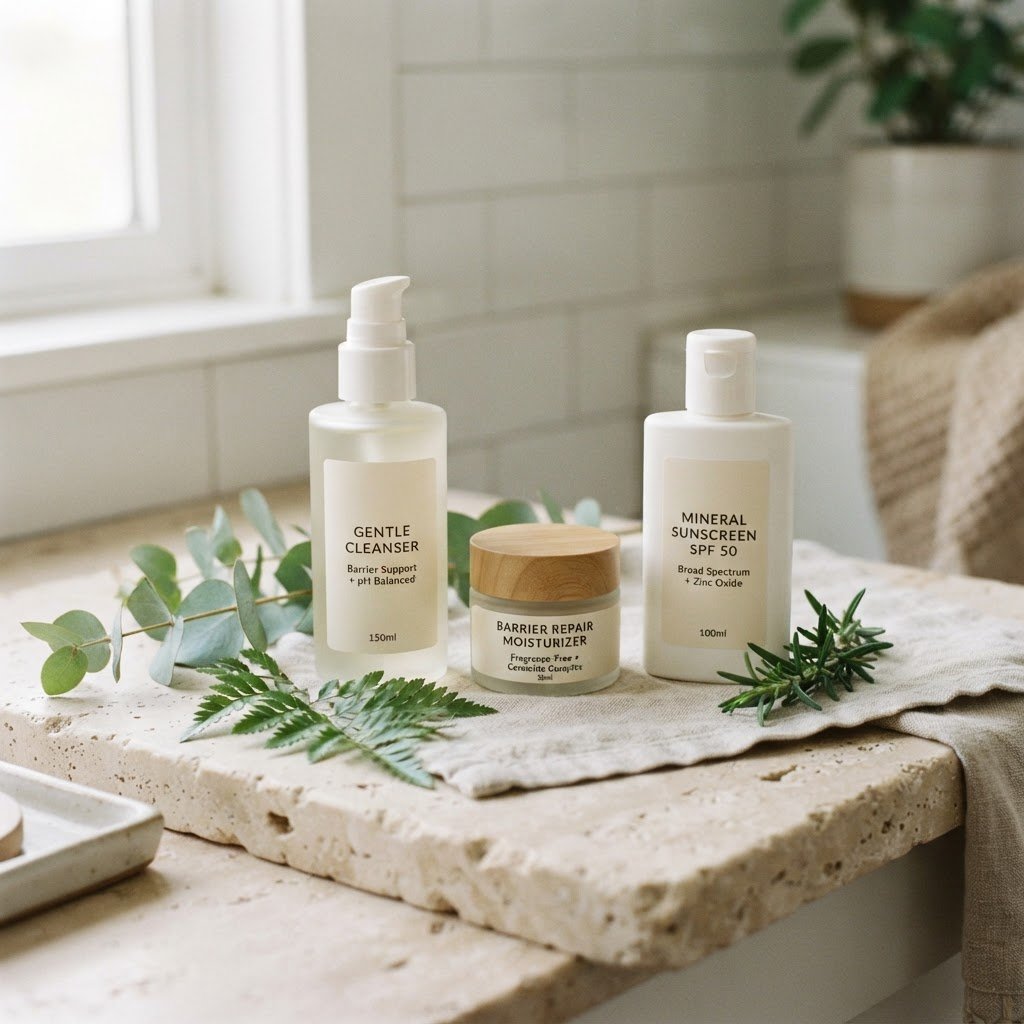
Skin Microbiome Skincare Routine for Sensitive Skin
A skin microbiome skincare routine for sensitive skin should be simple, gentle, and consistent. The microbiome is the community of microorganisms living on the skin, while the skin barrier helps limit water loss and defend against irritants.
Interest in microbiome-friendly beauty is growing, but marketing language can run ahead of evidence. The practical goal is not to sterilize your face or buy the most complicated routine; it is to reduce unnecessary irritation while supporting comfortable, hydrated skin.
Affiliate disclosure: RizioShop may earn a commission from qualifying purchases made through links on this page, at no extra cost to you.
What is the skin microbiome?
The skin hosts bacteria, fungi, and other microorganisms. Their mix varies by body area, age, climate, oil production, and personal care habits.
A healthy routine supports the barrier rather than aggressively removing everything from the surface. Over-washing, harsh scrubs, and frequent product switching may leave sensitive skin feeling tight, hot, or reactive.
The four-step barrier-first routine
1. Cleanse gently
Use lukewarm water and a mild, fragrance-free cleanser when cleansing is needed. In the morning, some people with very dry skin may prefer a water rinse; at night, remove sunscreen and makeup thoroughly but without scrubbing.
2. Moisturize while damp
Apply moisturizer to slightly damp skin. Ingredients such as glycerin, petrolatum, squalane, and ceramides can help reduce water loss and improve comfort.
3. Protect from ultraviolet exposure
Broad-spectrum sunscreen is a foundational skin-health step. Choose a formula you can use consistently and reapply according to label directions, especially outdoors.
4. Add only one new product at a time
Patch-test where appropriate and give your skin time to respond. Introducing three new actives at once makes it hard to identify the source of irritation.

Ingredients to approach thoughtfully
| Ingredient group | Possible role | Practical note |
|---|---|---|
| Humectants | Attract water | Pair with an emollient or occlusive. |
| Ceramides | Support barrier feel | Useful in many moisturizers. |
| Fragrance and essential oils | Often sensory, not essential | May bother reactive skin. |
| Exfoliating acids | Change surface cell shedding | Use sparingly if sensitive. |
Products labeled “prebiotic,” “probiotic,” or “postbiotic” are not interchangeable, and formulas vary. Look for transparent ingredient lists rather than assuming a claim guarantees a particular microbiome effect.
Morning and evening examples
Morning: rinse or gentle cleanse, moisturize, then apply sunscreen. Evening: remove makeup or sunscreen, cleanse, moisturize, and stop there until your skin is stable.
Our related guides on redness and sensitivity, barrier repair, and ceramides versus hyaluronic acid can help you compare approaches.
Common mistakes
- Using hot water because it feels cleansing.
- Exfoliating daily to remove “build-up.”
- Changing products before giving a routine time to settle.
- Assuming burning means an ingredient is working.
- Skipping sunscreen because the weather is cloudy.

Food, lifestyle, and the skin
Skin appearance is influenced by sleep, stress, nutrition, hormones, environment, and genetics. A balanced eating pattern with adequate protein, fruits, vegetables, and healthy fats supports overall wellness, but no single food or supplement can guarantee clear or younger-looking skin.
For a broader perspective, read our evidence-aware supplement guide and our article on the gut-skin conversation.
When to see a professional
Persistent rash, swelling, pain, oozing, rapidly changing lesions, or symptoms that affect daily life deserve medical attention. A dermatologist can distinguish irritation, allergy, acne, rosacea, eczema, and other conditions that may look similar online.
The American Academy of Dermatology skincare guidance is a useful starting point.
Frequently asked questions
Should sensitive skin use probiotic skincare?
It may be worth trying a well-formulated product, but evidence and formulas vary. Start with one product and stop if irritation develops.
Does cleansing damage the microbiome?
Harsh or excessive cleansing can irritate the barrier. Gentle cleansing matched to your skin and product use is more practical than avoiding cleansing entirely.
How long should I test a routine?
Give a basic routine several weeks if it is comfortable, while remembering that burning, swelling, or worsening symptoms are reasons to stop sooner.
Are natural ingredients always gentler?
No. Botanical extracts and essential oils can still trigger irritation or allergy. “Natural” is not a safety guarantee.
Conclusion
The best skin microbiome skincare routine for sensitive skin is usually the one you can repeat: gentle cleansing, moisturizer, sunscreen, and careful product changes. Protect comfort first, treat marketing claims critically, and seek professional guidance for persistent symptoms.