

 Rizioshop
Best Adaptogens for Stress Relief: A Complete Guide to Natural Calm
Stress has become an unwelcome companion in modern life. Between deadlines, family responsibilities, and the constant buzz of notifications, finding moments of calm can feel impossible. But nature has provided us with powerful tools to help manage stress — and adaptogens for stress relief are leading the charge in 2026’s wellness revolution.
Adaptogenic herbs have been used for centuries in Ayurvedic and Chinese medicine. Today, science is catching up with what ancient healers always knew: these remarkable plants help the body resist and adapt to stress, promoting balance and resilience. In this guide, we’ll explore the best adaptogens, how they work, and how to choose the right one for your needs.
What Are Adaptogens and How Do They Work?
Adaptogens are a class of herbs and mushrooms that help the body cope with stress by regulating the hypothalamic-pituitary-adrenal (HPA) axis. This system controls your body’s stress response, and adaptogens work to normalize its function — whether your stress hormones are too high or too low.
According to the National Institutes of Health, adaptogens exert a normalizing effect on physiological processes, helping the body maintain homeostasis under stress conditions. Unlike stimulants or sedatives, adaptogens don’t push your body in one direction — they help it find balance.
The Science Behind Adaptogenic Stress Relief
Research published in the National Library of Medicine shows that adaptogens work through several mechanisms:
- Cortisol regulation: Adaptogens help modulate cortisol production, preventing the spikes that lead to anxiety and the crashes that cause fatigue
- Neurotransmitter balance: They support healthy levels of serotonin, dopamine, and GABA — the brain’s feel-good chemicals
- Cellular protection: Adaptogens contain compounds that protect cells from stress-induced oxidative damage
- Energy metabolism: They help cells produce energy more efficiently, reducing fatigue
Top 5 Adaptogens for Stress Relief
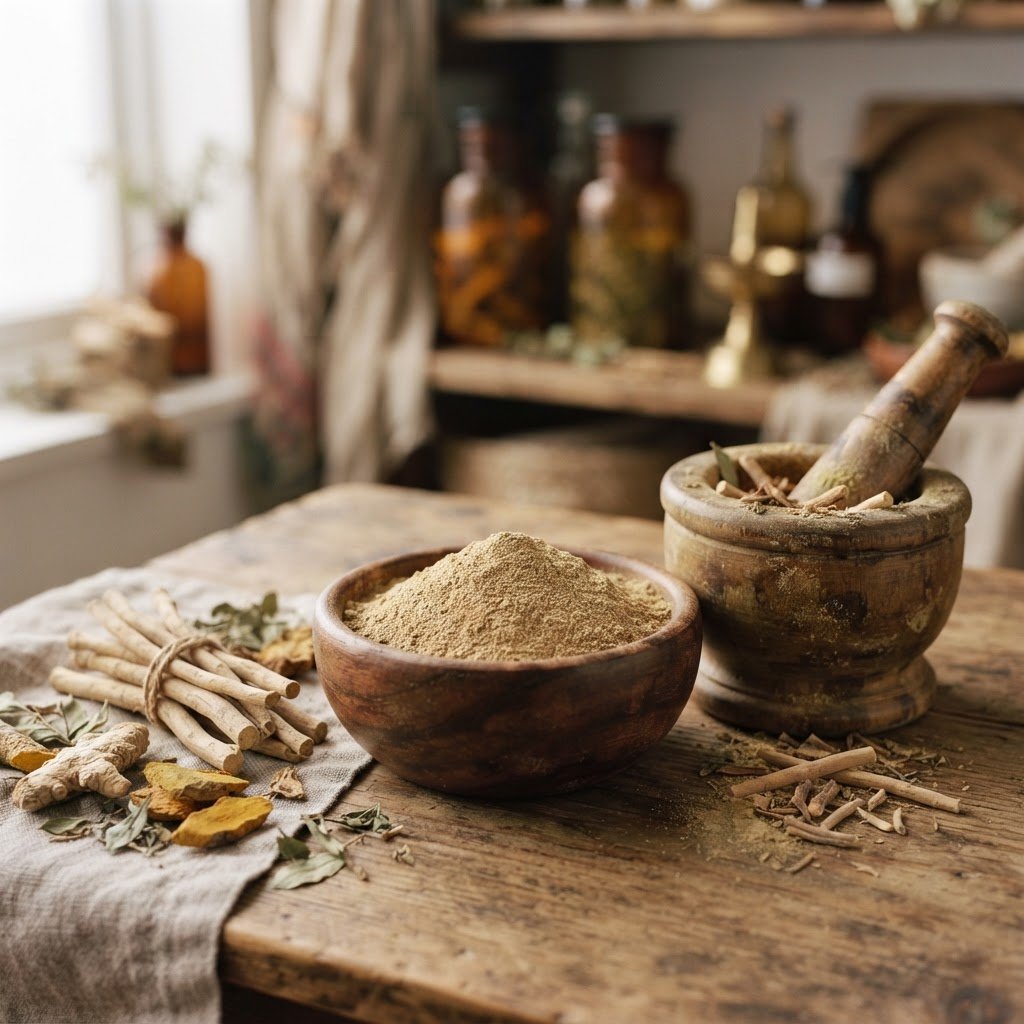
1. Ashwagandha (Withania somnifera)
Ashwagandha is arguably the most studied adaptogen in the world. Used for over 3,000 years in Ayurvedic medicine, this powerful herb has been shown to significantly reduce cortisol levels and improve the body’s stress response.
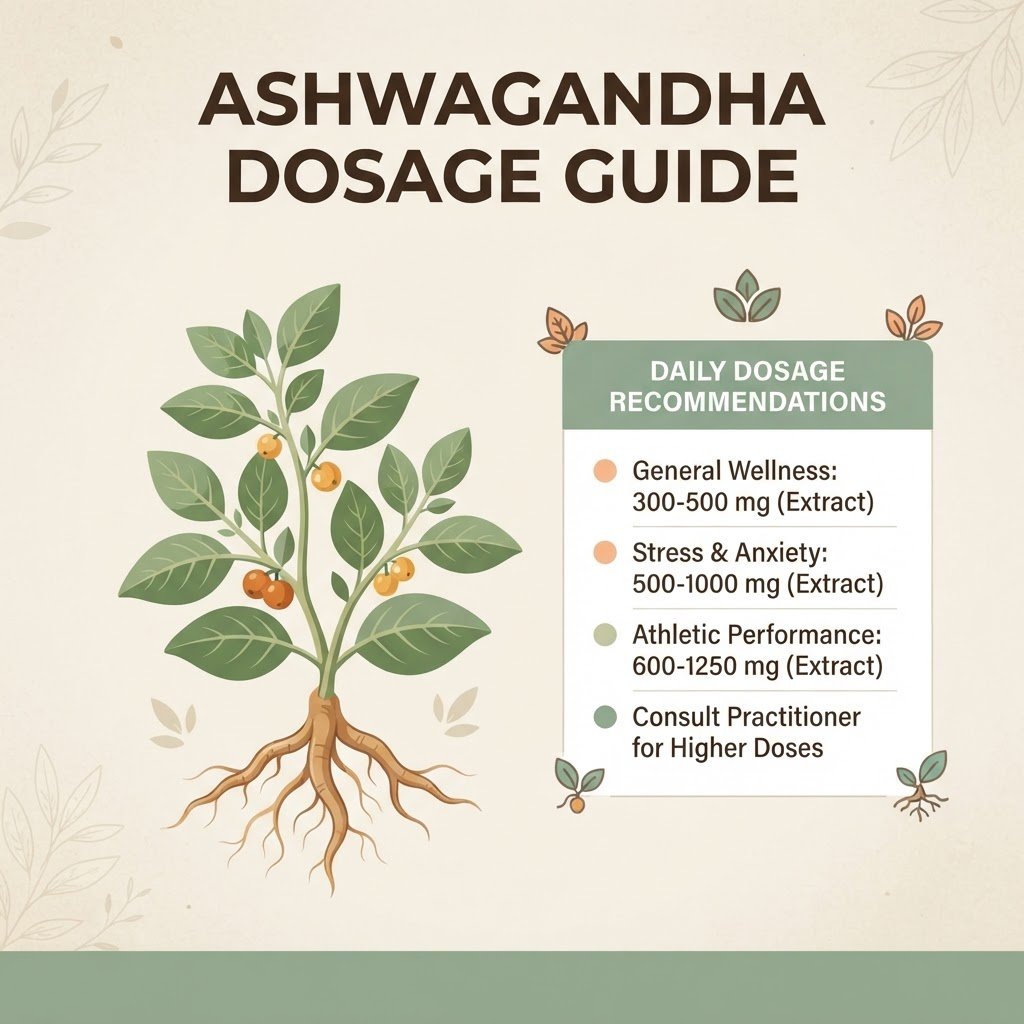
A landmark study referenced by the Mayo Clinic found that ashwagandha supplementation reduced stress and anxiety by up to 44% in adults with chronic stress. The recommended dose is 300-600mg of standardized extract daily.
2. Rhodiola Rosea
Rhodiola is particularly effective for stress-related fatigue. If you feel exhausted and mentally drained, this Arctic herb can help restore energy and mental clarity. Studies show it improves cognitive function during stressful periods and reduces symptoms of burnout.
3. Holy Basil (Tulsi)
Known as the “queen of herbs” in Ayurveda, holy basil helps reduce stress while supporting immune function. It’s especially good for people who experience stress as physical tension and digestive issues. A cup of tulsi tea in the evening can work wonders for winding down.
4. Reishi Mushroom
Reishi is the premier adaptogenic mushroom for stress relief. It supports the nervous system, promotes restful sleep, and helps calm an overactive mind. It’s particularly effective when combined with other stress-management practices.
5. Maca Root
While primarily known for energy and libido support, maca also helps the body adapt to stress by supporting the endocrine system. It’s especially beneficial for women experiencing stress-related hormonal imbalances.
How to Choose the Right Adaptogen
Each adaptogen has unique properties. Here’s a quick guide to help you choose:
| Your Main Concern | Best Adaptogen | Recommended Dose |
|---|---|---|
| Anxiety and worry | Ashwagandha | 300-600mg daily |
| Fatigue and burnout | Rhodiola | 200-400mg daily |
| Tension and digestion | Holy Basil | 300-600mg or 2-3 cups tea |
| Sleep issues | Reishi Mushroom | 500-1000mg daily |
| Hormonal balance | Maca Root | 1-3g daily |

Combining Adaptogens with Lifestyle Practices
While adaptogens are powerful, they work best as part of a comprehensive stress management strategy. The Harvard Health Blog recommends combining supplementation with lifestyle practices for optimal results.
- Mindfulness meditation: Just 10 minutes a day can reduce cortisol by up to 20%
- Regular exercise: Physical activity helps burn off stress hormones naturally
- Quality sleep: Aim for 7-9 hours per night to allow your nervous system to recover
- Balanced nutrition: A diet rich in whole foods supports adrenal health
For comprehensive health tracking alongside your stress management routine, check out our free BMI calculator to monitor your overall wellness metrics.
If stress is affecting your sleep specifically, you might also benefit from learning about magnesium glycinate for sleep and anxiety — another natural approach that pairs well with adaptogens.
Potential Side Effects and Precautions
While adaptogens are generally safe, they can interact with certain medications:
- Ashwagandha: May interact with thyroid medications and immunosuppressants
- Rhodiola: Can amplify the effects of stimulants
- Holy Basil: May slow blood clotting
Always consult your healthcare provider before starting any new supplement, especially if you’re pregnant, nursing, or taking prescription medications.
Frequently Asked Questions (FAQ)
How long does it take for adaptogens to work?
Most people notice initial benefits within 1-2 weeks of consistent use. Full effects typically develop over 4-8 weeks as the herbs build up in your system.
Can I take multiple adaptogens together?
Yes, many people combine adaptogens for synergistic effects. A common combination is ashwagandha in the morning and reishi in the evening. Start with one at a time to assess your response.
Are adaptogens safe for long-term use?
Most adaptogens are safe for extended use at recommended doses. However, it’s good practice to take occasional breaks (one week off every 2-3 months) to maintain effectiveness.
Can adaptogens replace my anxiety medication?
Never stop taking prescribed medications without consulting your doctor. Adaptogens can complement but should not replace professional medical treatment for anxiety disorders.
Conclusion: Finding Your Natural Calm
Adaptogens offer a time-tested, science-backed approach to stress management. Whether you choose ashwagandha for anxiety, rhodiola for fatigue, or reishi for sleep, these natural allies can help your body adapt to life’s challenges with greater resilience.
The key is consistency. Take your chosen adaptogen daily, combine it with healthy lifestyle practices, and give it time to work. Your future, calmer self will thank you.
Ready to find your natural calm? Explore our top-rated adaptogen recommendations below and start your journey to stress-free living.
👉 Shop Top-Rated Adaptogen Supplements on Amazon
Enjoyed this guide? Check out our recommendation to take your stress management to the next level →
Related Articles
Explore more expert-reviewed guides to support your health journey:
- Ashwagandha Dosage Guide
- Cortisol-Reducing Supplements
- Phytomem One Review
- Gut-Brain Connection Explained
Related Articles
Explore more expert-reviewed guides to support your health journey:
- Ashwagandha Dosage Guide
- Cortisol-Reducing Supplements
- Phytomem One Review
- Gut-Brain Connection Explained


[…] you’re managing stress, combining probiotics with adaptogens for stress relief can provide a comprehensive approach to mental […]
[…] this guide? You might also like our guide to adaptogens for stress relief and our ProstaVive […]
[…] more on stress management, see our adaptogens guide and ashwagandha dosage […]
[…] Manage stress (see our adaptogens guide) […]
[…] Related: Gut-Brain Connection | Adaptogens Guide […]
[…] stress is affecting your weight loss efforts, you might also benefit from learning about adaptogens for stress relief — stress hormones can significantly impact your […]
[…] you’re new to adaptogens, our comprehensive guide to adaptogens for stress relief covers other powerful herbs that can complement […]