

 Rizioshop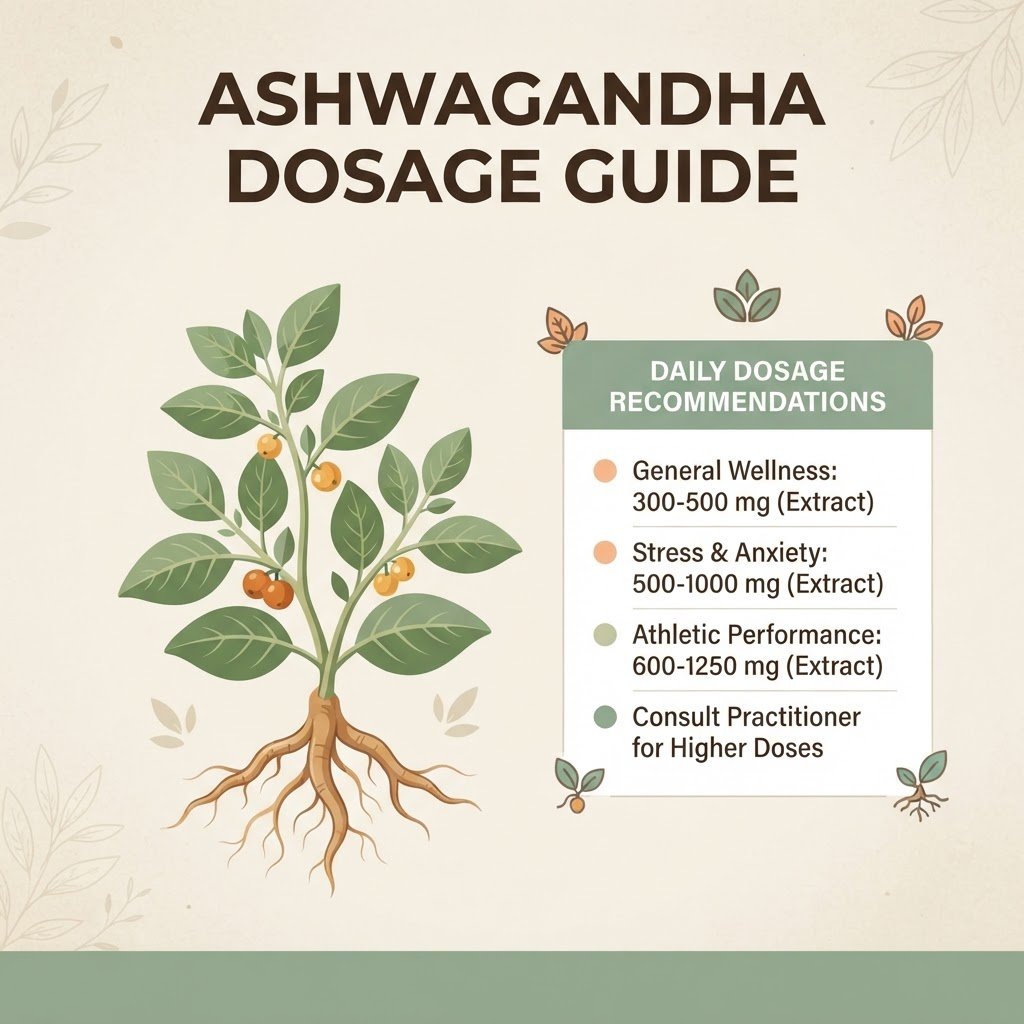
Disclosure: This article may contain affiliate links. If you purchase through links on rizioshop.com, we may earn a commission at no extra cost to you. We only recommend products we believe add value to your wellness journey.

Introduction
If you have been exploring adaptogens for stress, sleep, or athletic performance, you have likely encountered ashwagandha—one of the most celebrated herbs in Ayurvedic medicine and one of the fastest-growing supplements in the American wellness market. But as its popularity has surged, so has the confusion around how much to actually take. Should you use 300 mg of a concentrated KSM-66 extract or 1,000 mg of a whole-root powder? Is it better to take it in the morning for energy or at night for sleep? And how long should you stay on it before cycling off?
This comprehensive ashwagandha dosage guide is designed to answer all of those questions and more. Whether your goal is stress relief, better sleep, improved gym performance, testosterone support, or sharper cognitive function, understanding the right ashwagandha dosage for your specific needs can make the difference between experiencing meaningful benefits and feeling no different at all. The research on ashwagandha is robust and growing, with dozens of published clinical trials demonstrating its potential effects on cortisol levels, sleep quality, strength markers, and hormonal balance. However, the effective dose varies significantly depending on the extract type, the condition being addressed, and individual factors like body weight and sensitivity.
In this guide, we will walk through the science behind ashwagandha, break down the different forms available on the market, provide a detailed dosage chart organized by health goal, discuss optimal timing, explain cycling protocols, and cover important safety considerations—including who should avoid ashwagandha entirely. We will also give you practical tips for choosing a high-quality supplement and answer the most frequently asked questions. By the end, you will have a clear, evidence-based framework for determining the best ashwagandha dosage for your wellness routine.
What Is Ashwagandha?
Ashwagandha (Withania somnifera) is a small evergreen shrub native to India, North Africa, and the Middle East. Its name translates from Sanskrit as “smell of the horse,” a reference to both the herb’s distinct aroma and the traditional belief that consuming it imparts the strength and vitality of a stallion. For over 3,000 years, ashwagandha has been a cornerstone of Ayurveda—India’s traditional system of holistic medicine—where it is classified as a rasayana, or rejuvenating tonic, used to promote longevity, vitality, and overall balance.
In Ayurvedic practice, ashwagandha has historically been used to support energy levels, reduce stress, enhance sleep quality, and promote reproductive health. It is considered an adaptogen—a category of herbs and compounds that help the body manage stress by modulating the physiological response to physical, chemical, and emotional stressors. Unlike stimulants that produce a quick spike in energy, adaptogens are designed to promote balance and resilience over time, helping the body return to a state of equilibrium known as homeostasis.
The Science: Withanolides and Withanosides
The therapeutic effects of ashwagandha are primarily attributed to a group of naturally occurring steroidal lactones called withanolides, along with related compounds called withanosides. The most studied withanolide is withaferin A, which has demonstrated anti-inflammatory, antioxidant, and immune-modulating properties in laboratory research. Withanosides, on the other hand, are believed to support nerve cell function and may contribute to ashwagandha’s cognitive benefits.
The concentration of withanolides in an ashwagandha product is the single most important factor in determining its potency. This is why reputable manufacturers standardize their extracts to specific withanolide percentages—typically between 1.5% and 5%. A root-only extract standardized to 2.5% or 5% withanolides is the industry benchmark, ensuring that each dose delivers a consistent, measurable amount of the active compounds. Understanding this standardization is essential for interpreting dosage recommendations, as 600 mg of a 5% withanolide extract is far more potent than 600 mg of crude root powder, which may contain less than 1% withanolides.
Research published in the Journal of the American Nutraceutical Association and other peer-reviewed journals has shown that standardized ashwagandha root extracts can influence cortisol levels, support antioxidant enzyme activity, and modulate neurotransmitters like GABA and serotonin—all of which underpin the herb’s wide-ranging effects on stress, sleep, mood, and physical performance.
Different Forms of Ashwagandha
Not all ashwagandha supplements are created equal. The form you choose directly impacts the effective dosage, the onset of effects, and the specific benefits you may experience. Here are the main forms available on the market:
1. KSM-66 (Full-Spectrum Root Extract)
KSM-66 is arguably the most clinically studied and commercially popular ashwagandha extract on the market. It is a full-spectrum root-only extract standardized to 5% withanolides, produced through a proprietary 14-day extraction process that uses only the roots of the plant (no leaves). This extraction method is designed to preserve the natural ratio of withanolides and withanosides found in the root, resulting in a product with a high concentration of bioactive compounds.
KSM-66 has been used in numerous clinical trials investigating stress reduction, cortisol lowering, anxiety, sleep quality, testosterone support, and athletic performance. The typical dosage range in these studies is 300–600 mg per day, often split into two doses. Because of its strong evidence base and consistent standardization, KSM-66 is an excellent choice for most people looking for general stress relief, sleep support, or performance enhancement.
2. Sensoril (Root and Leaf Extract)
Sensoril is another well-known patented ashwagandha extract, but unlike KSM-66, it is derived from both the roots and leaves of the plant. It is standardized to a minimum of 10% withanolides, making it more potent per milligram than KSM-66. The higher withanolide concentration—particularly withaferin A—means that Sensoril is often used at lower doses, typically 125–250 mg per day.
Sensoril has been studied for its effects on stress, anxiety, fatigue, and cognitive performance. Because it is more concentrated, it may produce stronger effects at a lower dose, which can be advantageous for individuals who are sensitive to supplements or who want to minimize the number of capsules they take. However, the higher withanolide content may also increase the likelihood of side effects in some people.
3. Whole Root Powder
Traditional ashwagandha root powder is the least processed form, typically consisting of dried and ground ashwagandha roots. It has a long history of use in Ayurvedic practice and is the most affordable option. However, because it is not standardized, the withanolide content can vary widely—from less than 0.1% to perhaps 1%—depending on the source, growing conditions, and processing methods.
Because of this variability, effective dosages of whole root powder are much higher—often 1,000–6,000 mg per day. While whole root powder contains the full spectrum of naturally occurring compounds, the lack of standardization means you cannot be certain how much of the active withanolides you are getting in each serving. This form is best for those who prefer traditional herbal preparations or who are budget-conscious.
4. Other Standardized Extracts
Beyond KSM-66 and Sensoril, several other standardized extracts are available, including organic root extracts standardized to 2.5% or 5% withanolides, liposomal ashwagandha formulations designed for enhanced absorption, and sustained-release (SR) formulations designed to deliver a steady release of withanolides over time. Each of these may have specific dosing recommendations based on the manufacturer’s standardization and any published clinical data.
Ashwagandha Dosage by Goal
The best ashwagandha dosage depends heavily on what you are trying to achieve. Below, we break down evidence-based dosage ranges for the most common goals, drawing on published clinical trials and meta-analyses.
For Stress Relief and Anxiety Support
Stress reduction is the most well-researched benefit of ashwagandha, and it is the primary reason most people begin supplementing with it. A landmark 2012 double-blind, placebo-controlled study published in the Indian Journal of Psychological Medicine found that KSM-66 at 300 mg per day (low dose) and 600 mg per day (high dose) significantly reduced serum cortisol levels and scores on stress-assessment scales after 60 days. The high-dose group experienced a nearly 30% reduction in cortisol compared to placebo.
A 2021 systematic review and meta-analysis published in the Journal of Herbal Medicine analyzed 12 clinical trials and concluded that ashwagandha supplementation at doses of 250–600 mg per day for at least 8 weeks significantly reduced stress and anxiety compared to placebo. Based on the available evidence, a daily dose of 300–600 mg of KSM-66 (or equivalent standardized root extract), split into two doses of 150–300 mg, is recommended for stress relief. For those using Sensoril, a dose of 125–250 mg per day may be sufficient.
For Sleep Support
Ashwagandha’s calming, adaptogenic properties make it a popular choice for people struggling with sleep quality. A 2019 double-blind, placebo-controlled study published in Cureus found that 300 mg of KSM-66 taken twice daily (600 mg total) for 8 weeks significantly improved sleep quality, sleep onset latency, and overall sleep efficiency compared to placebo. The improvements were particularly notable in individuals with insomnia.
A 2021 review noted that taking at least 600 mg of ashwagandha per day for 8 weeks could improve sleep quality in individuals with stress and anxiety. For sleep support, a dose of 300–600 mg of a standardized root extract taken in the evening, approximately 30–60 minutes before bed, is commonly recommended. For more natural sleep strategies, check out our guide on best bedtime snacks for sleep and blood sugar. You may also find our article on magnesium glycinate vs. citrate for sleep helpful, as magnesium pairs well with ashwagandha for nighttime routines.
For Athletic Performance and Strength
Ashwagandha has gained significant attention in the sports nutrition world for its potential to enhance strength, endurance, and recovery. A 2015 study published in the Journal of the International Society of Sports Nutrition found that 300 mg of KSM-66 taken twice daily (600 mg total) for 8 weeks produced significant improvements in bench press strength, leg extension strength, muscle size, and testosterone levels in resistance-trained men, compared to placebo.
A meta-analysis published in 2020 in the Journal of Sports Medicine found that ashwagandha supplementation significantly improved VO2 max in athletes by approximately 4.09 ml/kg/min. Studies on athletic performance have typically used doses ranging from 240–1,000 mg per day of standardized root extract, with 300 mg twice daily (600 mg total) being the most common protocol.
For athletes and active individuals, a daily dose of 300–600 mg of KSM-66 or equivalent standardized extract, split into two doses, is recommended. Some studies have used up to 1,000 mg per day, but the incremental benefit above 600 mg appears to be minimal for most individuals. Taking one dose in the morning and one in the evening can help maintain consistent withanolide levels throughout the day.
For Testosterone and Hormonal Support
Several studies have suggested that ashwagandha may support healthy testosterone levels in men, particularly those who are older or under chronic stress. The same 2015 study mentioned above found that 600 mg of KSM-66 per day for 8 weeks resulted in a significant increase in testosterone compared to placebo, alongside improvements in strength and muscle mass. Another study published in Evidence-Based Complementary and Alternative Medicine in 2013 found that 675 mg of a full-spectrum root extract per day (divided into three doses) improved testosterone, luteinizing hormone, and sperm quality in men with fertility concerns.
For testosterone support, the research suggests a daily dose of 300–675 mg of a standardized root extract, taken in divided doses. It is worth noting that the testosterone-supporting effects appear to be more pronounced in men who have suboptimal baseline levels or who are under significant stress, rather than in young, healthy men with already-optimal hormone levels.
For Cognitive Function and Memory
Ashwagandha’s neuroprotective and cognitive-enhancing potential is an area of growing interest. A 2017 double-blind, placebo-controlled study published in Drug Research found that 300 mg of ashwagandha root extract taken twice daily (600 mg total) for 8 weeks improved memory, attention, information-processing speed, and executive function in adults with mild cognitive impairment.
A sustained-release formulation study published in 2021 in the journal Nutrients found that a single daily SR capsule (containing ashwagandha root extract) for 90 days improved memory, focus, psychological well-being, and sleep quality. For cognitive support, a dose of 300–600 mg per day of a standardized root extract is recommended, taken consistently for at least 8 weeks to evaluate effects.
Ashwagandha Dosage Chart
The following table summarizes the recommended ashwagandha dosages based on health goals and extract type. Always consult with a healthcare provider before starting any new supplement, especially if you have underlying health conditions or take medications.
| Goal | KSM-66 / 5% Extract | Sensoril / 10% Extract | Whole Root Powder | Typical Duration |
|---|---|---|---|---|
| Stress & Anxiety | 300–600 mg/day | 125–250 mg/day | 1,000–3,000 mg/day | 8–12 weeks |
| Sleep Support | 300–600 mg (evening) | 125–250 mg (evening) | 1,000–2,000 mg (evening) | 8–12 weeks |
| Athletic Performance | 300–600 mg/day (split) | 125–250 mg/day | 1,000–3,000 mg/day | 8–12 weeks |
| Testosterone Support | 300–675 mg/day (split) | 125–250 mg/day | 1,500–3,000 mg/day | 8–12 weeks |
| Cognitive Function | 300–600 mg/day (split) | 125–250 mg/day | 1,000–3,000 mg/day | 8–12 weeks |
| General Wellness | 300–500 mg/day | 125 mg/day | 1,000–2,000 mg/day | Ongoing with cycling |
Note: Doses are typically split into two equal servings (e.g., morning and evening) to maintain consistent withanolide levels. Individual needs may vary based on body weight, sensitivity, and extract standardization.
When to Take Ashwagandha: Morning vs. Night
Timing can influence how ashwagandha works in your body, and the optimal timing depends on your primary goal. Here is a breakdown of when to take ashwagandha based on different objectives:
Morning (or Divided Doses) for Stress and Performance
If your primary goal is stress management or athletic performance, taking ashwagandha in the morning—or splitting the dose between morning and evening—is often recommended. Cortisol naturally peaks in the early morning as part of the body’s wake-up response, and ashwagandha may help modulate this response. For athletes, taking one dose in the morning and another pre- or post-workout can help support recovery and performance throughout the day.
Splitting the dose (e.g., 300 mg in the morning and 300 mg in the evening) helps maintain a consistent level of withanolides in your system, which may be more effective than a single large dose. This is particularly relevant for stress and performance goals, where sustained cortisol modulation is desirable.
Evening for Sleep Support
If your primary goal is sleep support, taking your full daily dose—or the larger portion of a split dose—30 to 60 minutes before bed is recommended. Ashwagandha’s calming, GABA-modulating effects may help quiet a racing mind, reduce the time it takes to fall asleep, and improve overall sleep quality. For sleep-specific goals, some people prefer a single evening dose of 300–600 mg of KSM-66 or 125–250 mg of Sensoril.
If you are combining ashwagandha with other sleep-supporting supplements like magnesium, taking them together in the evening can create a synergistic nighttime routine. Our guide on magnesium glycinate vs. citrate for sleep explores how different forms of magnesium can complement ashwagandha for better rest.
With or Without Food?
Ashwagandha can be taken with or without food, but taking it with a light meal or snack may help reduce the likelihood of gastrointestinal discomfort, which is one of the most commonly reported side effects. If you experience any stomach upset, try taking your dose with food. Some sources suggest that taking ashwagandha with a small amount of fat may enhance the absorption of withanolides, since they are fat-soluble compounds.
Cycling and Long-Term Use
One of the most common questions about ashwagandha is whether it is safe to take long-term, and whether you need to cycle it. While ashwagandha is generally well-tolerated for periods of up to 3 months—and some studies have used it for 6 months or longer—long-term safety data beyond this timeframe remains limited. As a result, many healthcare practitioners and herbal experts recommend cycling ashwagandha to maintain its effectiveness and reduce the potential for tolerance or unintended effects.
Recommended Cycling Protocol
The most commonly recommended cycling protocol is 8–12 weeks on, followed by a 2–4 week break. This allows your body to reset and ensures that the adaptogenic effects remain effective over time. After the break period, you can resume supplementation at your previous dosage. Some people prefer longer cycles of up to 6 months, particularly when working with a healthcare provider on a specific concern, but a periodic break is still advisable.
If you are new to ashwagandha, starting with an 8-week cycle is a sensible approach. After 8 weeks, assess how you feel: Have you noticed improvements in stress, sleep, or performance? If so, consider continuing for another 4 weeks before taking a break. If you have not noticed any benefits after 8 weeks, you may want to reassess your dosage, the form of ashwagandha you are using, or whether ashwagandha is the right supplement for your needs.
Do You Need to Cycle?
Strictly speaking, cycling is not mandatory for everyone. Some individuals take ashwagandha daily for months or years without issues. However, because long-term safety data is limited and because adaptogens can sometimes lose their edge with continuous use, cycling is a prudent, conservative approach—especially for those using higher doses or more concentrated extracts like Sensoril. Always consult with your healthcare provider about the appropriate duration for your individual situation.
Ashwagandha Side Effects and Precautions
Ashwagandha is generally well-tolerated by most healthy adults when taken at recommended dosages. However, like any supplement, it can cause side effects in some individuals. Being aware of these potential effects can help you use ashwagandha safely and effectively.
Common Side Effects
The most commonly reported side effects of ashwagandha include:
- Gastrointestinal discomfort: Nausea, upset stomach, diarrhea, or bloating, particularly when taken on an empty stomach or at higher doses.
- Drowsiness: Because ashwagandha has calming properties, it may cause drowsiness or sedation, especially when taken in higher doses or combined with other sedating substances.
- Headache: Some individuals report mild headaches, particularly in the first few days of supplementation.
- Dizziness: Less common, but possible, especially in sensitive individuals.
Most of these side effects are mild and tend to resolve on their own as the body adjusts. Starting with a lower dose and gradually increasing it can help minimize side effects. Taking ashwagandha with food can also reduce gastrointestinal discomfort.
Less Common but Important Considerations
- Changes in thyroid hormone levels: Ashwagandha may influence thyroid function by stimulating the production of thyroid hormones. This can be beneficial for individuals with subclinical hypothyroidism but may be problematic for those with hyperthyroidism.
- Changes in blood sugar: Ashwagandha may lower blood sugar levels. Individuals taking diabetes medications should monitor their blood glucose closely and consult their doctor.
- Changes in blood pressure: Ashwagandha may lower blood pressure. Individuals taking blood pressure medications should monitor their levels.
- Immune system stimulation: Because ashwagandha may stimulate the immune system, it could potentially exacerbate autoimmune conditions (see below).
Drug Interactions
Ashwagandha may interact with several types of medications, including:
- Sedatives and anti-anxiety medications: Ashwagandha’s calming effects may enhance the effects of sedatives, benzodiazepines, and other CNS depressants.
- Thyroid medications: Ashwagandha may alter thyroid hormone levels, potentially interfering with thyroid medication dosing.
- Diabetes medications: Ashwagandha may lower blood sugar, potentially enhancing the effects of insulin or oral diabetes drugs.
- Blood pressure medications: Ashwagandha may lower blood pressure, potentially enhancing the effects of antihypertensive drugs.
- Immunosuppressants: Ashwagandha’s immune-stimulating effects may counteract medications designed to suppress the immune system.
Always inform your healthcare provider about all supplements you are taking, especially if you are on any prescription medications.
Who Should NOT Take Ashwagandha
While ashwagandha is safe for most healthy adults, certain populations should avoid it or use it only under the direct supervision of a qualified healthcare provider. According to the National Center for Complementary and Integrative Health (NCCIH) and other medical authorities, the following groups should exercise caution or avoid ashwagandha entirely:
Pregnant and Breastfeeding Women
Ashwagandha is not recommended during pregnancy. Traditional texts and modern experts caution that it may increase the risk of miscarriage, as it can potentially stimulate uterine contractions. There is also insufficient safety data regarding ashwagandha use during breastfeeding. Pregnant and nursing women should avoid ashwagandha unless specifically advised otherwise by their healthcare provider.
People with Autoimmune Conditions
Ashwagandha may stimulate the immune system, which can be problematic for individuals with autoimmune conditions such as rheumatoid arthritis, lupus, multiple sclerosis, Hashimoto’s thyroiditis, or type 1 diabetes. The immune-stimulating effects of ashwagandha could potentially worsen autoimmune symptoms or interfere with immunosuppressive medications. If you have an autoimmune condition, consult with your healthcare provider before using ashwagandha.
People with Thyroid Disorders
Ashwagandha has been shown to influence thyroid hormone levels, potentially increasing the production of T3 and T4. For individuals with hypothyroidism, this effect might be beneficial under medical supervision. However, for individuals with hyperthyroidism (an overactive thyroid), ashwagandha could worsen the condition by further stimulating thyroid hormone production. If you have a thyroid disorder or are taking thyroid medication like levothyroxine, speak with your endocrinologist before using ashwagandha.
People Scheduled for Surgery
Ashwagandha should be discontinued at least two weeks before any scheduled surgery due to its potential effects on blood sugar, blood pressure, and central nervous system function, which could interact with anesthesia and surgical medications. Always inform your surgeon and anesthesiologist about any supplements you are taking.
Children
There is insufficient safety data to recommend ashwagandha for children. Unless specifically recommended by a pediatrician or qualified healthcare provider, ashwagandha should not be given to children.
How to Choose a Quality Ashwagandha Supplement
With the explosion in ashwagandha’s popularity, the market has been flooded with products of varying quality. Choosing a high-quality supplement is essential for experiencing the benefits described in clinical studies. Here are the key factors to look for:
1. Standardized Withanolide Content
Look for a product that clearly states the withanolide percentage on the label. The industry standard for root-only extracts is 2.5% to 5% withanolides. Products that do not disclose withanolide content should be viewed with caution, as you have no way of knowing how much of the active compound you are actually getting. KSM-66 (5%) and Sensoril (10%) both disclose their standardization, which is one reason they are trusted by healthcare professionals and consumers alike.
2. Root-Only vs. Whole-Plant
Traditional Ayurvedic practice and most modern clinical studies use the root of the ashwagandha plant. Some extracts, like Sensoril, use both roots and leaves. While leaf-inclusive extracts can be effective, root-only extracts (like KSM-66) have the largest body of clinical evidence behind them. If you want to replicate the results seen in published studies, a root-only extract standardized to 5% withanolides is the safest bet.
3. Third-Party Testing
Look for products that have been tested by independent third-party laboratories for purity, potency, and contaminants (heavy metals, microbes, pesticides). Certifications from organizations like USP, NSF, or ConsumerLab provide an extra layer of assurance. Some premium products display a Certificate of Analysis (CoA) on their website or upon request.
4. Patented or Branded Extracts
Patented extracts like KSM-66 and Sensoril have been used in the clinical studies that form the basis of most dosage recommendations. Products that use these branded extracts tend to be more reliable and consistent than generic ashwagandha extracts. While they may be slightly more expensive, the quality and consistency are often worth the premium.
5. No Unnecessary Fillers or Additives
Check the ingredient label for unnecessary fillers, binders, artificial colors, or preservatives. A high-quality ashwagandha supplement should contain the extract and minimal additional ingredients—ideally just the capsule material (e.g., vegetable cellulose) and perhaps a small amount of rice flour or similar excipient for manufacturing purposes.
6. Organic Certification
Ashwagandha is a root crop, and roots can accumulate heavy metals and other contaminants from the soil. Choosing an organically certified product can reduce the risk of contamination. India is the primary source of ashwagandha, and products certified organic by reputable agencies (e.g., USDA Organic) provide additional assurance of quality and purity.
7. Reputable Manufacturer
Choose products from established, reputable manufacturers with a track record of quality and transparency. Look for companies that provide clear contact information, responsive customer service, and educational resources about their products. For our curated recommendations, check out our best ashwagandha supplements review, where we break down the top products on the market.
Ashwagandha Dosage FAQ
1. How much ashwagandha should I take per day?
The recommended daily dose of ashwagandha depends on the extract type and your goal. For most people using a standardized root extract like KSM-66, a dose of 300–600 mg per day is the most common recommendation. If you are using Sensoril (a more concentrated extract), 125–250 mg per day is typical. For whole root powder, doses range from 1,000 to 3,000 mg per day. It is best to start at the lower end of the range and adjust based on your response.
2. How long does ashwagandha take to work?
Most clinical studies show that ashwagandha produces measurable effects after 4–8 weeks of consistent daily use. Some people report feeling calmer or sleeping better within the first 1–2 weeks, but the full benefits—including cortisol reduction, improved sleep quality, and enhanced physical performance—typically become apparent after 4–8 weeks. Consistency is key: taking ashwagandha daily at the same time(s) will give you the best results.
3. Can I take ashwagandha every day?
Yes, ashwagandha can be taken daily for periods of 8–12 weeks, and some studies have used it for up to 6 months. However, because long-term safety data beyond 6 months is limited, many experts recommend cycling: 8–12 weeks on, followed by a 2–4 week break. This helps maintain effectiveness and reduces the potential for tolerance or side effects. Always consult your healthcare provider about the appropriate duration for your individual needs.
4. Should I take ashwagandha in the morning or at night?
The optimal timing depends on your goal. For stress relief and athletic performance, splitting the dose between morning and evening is common. For sleep support, taking your dose 30–60 minutes before bed is recommended. For general wellness, either morning or evening works—choose the time that fits best with your routine and makes you feel most comfortable.
5. Is KSM-66 better than Sensoril?
Neither extract is inherently “better”—they serve different purposes. KSM-66 is a root-only extract standardized to 5% withanolides and has the largest body of clinical research, particularly for stress, sleep, and athletic performance. Sensoril is a root-and-leaf extract standardized to 10% withanolides, making it more potent per milligram. Sensoril may be preferred by those who want a lower-dose option or who respond well to higher withanolide concentrations. KSM-66 is a great starting point for most people due to its extensive research backing.
6. Can ashwagandha help with testosterone?
Several studies suggest that ashwagandha may support healthy testosterone levels in men, particularly those who are older, under chronic stress, or have suboptimal baseline levels. Doses of 300–675 mg per day of a standardized root extract have been shown to produce improvements in testosterone, luteinizing hormone, and sperm quality in some studies. However, ashwagandha is not a testosterone replacement therapy and should not be relied upon as a primary treatment for low testosterone. Always consult your doctor if you have concerns about hormonal health.
7. Can I take ashwagandha with other supplements?
Ashwagandha is generally compatible with most other supplements and is commonly stacked with magnesium, L-theanine, omega-3 fatty acids, and B vitamins. It pairs particularly well with magnesium for sleep support—learn more in our guide on magnesium glycinate vs. citrate for sleep. However, if you are taking other calming or sedating supplements, be mindful of potential additive effects. Always inform your healthcare provider about all supplements and medications you are taking.
8. What happens if I take too much ashwagandha?
Taking more than the recommended dose of ashwagandha is unlikely to be dangerous in healthy adults, but it may increase the risk of side effects such as nausea, diarrhea, drowsiness, or headache. If you take a very large dose, you may experience more pronounced sedation or gastrointestinal distress. If you suspect you have taken too much, stop taking the supplement and consult your healthcare provider or a poison control center.
Conclusion
Ashwagandha is one of the most well-researched and widely used adaptogens in the world, with a growing body of clinical evidence supporting its use for stress relief, sleep quality, athletic performance, testosterone support, and cognitive function. Understanding the right ashwagandha dosage for your specific goals—and choosing the right form of ashwagandha—is essential for experiencing the benefits that have made this ancient herb a modern wellness staple.
To recap the key takeaways from this ashwagandha dosage guide: For most people using a standardized root extract like KSM-66, a daily dose of 300–600 mg is the sweet spot, supported by the majority of published clinical trials. If you are using a more concentrated extract like Sensoril, 125–250 mg per day is appropriate. Whole root powder requires much higher doses—1,000 to 3,000 mg per day—due to its lower withanolide concentration. Timing matters: split your dose for stress and performance goals, or take a single evening dose for sleep support. Cycle ashwagandha by taking it for 8–12 weeks followed by a 2–4 week break to maintain effectiveness and safety.
Most importantly, remember that supplements are just one piece of the wellness puzzle. Ashwagandha works best when combined with a balanced diet, regular exercise, adequate sleep, and effective stress management practices. It is not a magic pill, but when used thoughtfully and consistently, it can be a valuable tool in your wellness toolkit. If you are considering adding ashwagandha to your routine, start with a high-quality standardized extract, begin at the lower end of the dosage range, and give it at least 4–8 weeks to evaluate its effects. And as always, consult with your healthcare provider before starting any new supplement—especially if you have underlying health conditions, take medications, are pregnant or breastfeeding, or have an autoimmune or thyroid disorder.
For more science-based wellness guides and supplement reviews, explore the full library of articles at rizioshop.com. Your journey to better stress management, deeper sleep, and improved performance starts with informed choices—and we are here to help you make them.


[…] If you are comparing a product, start with our magnesium glycinate review. For stress-focused formulas, see our ashwagandha dosage guide. […]