

 Rizioshop
More products do not automatically mean better skin. In 2026, skinimalism is gaining attention because it replaces crowded shelves with a focused routine that is easier to understand, afford, and repeat. The goal is not to do less carelessly; it is to remove noise so every step has a clear job.
If your bathroom counter is full of half-used acids, masks, and serums, you are not alone. Overlapping actives can leave skin tight, reactive, or unpredictable. A calmer plan begins with the barrier, then adds one targeted treatment only when the basics are stable.
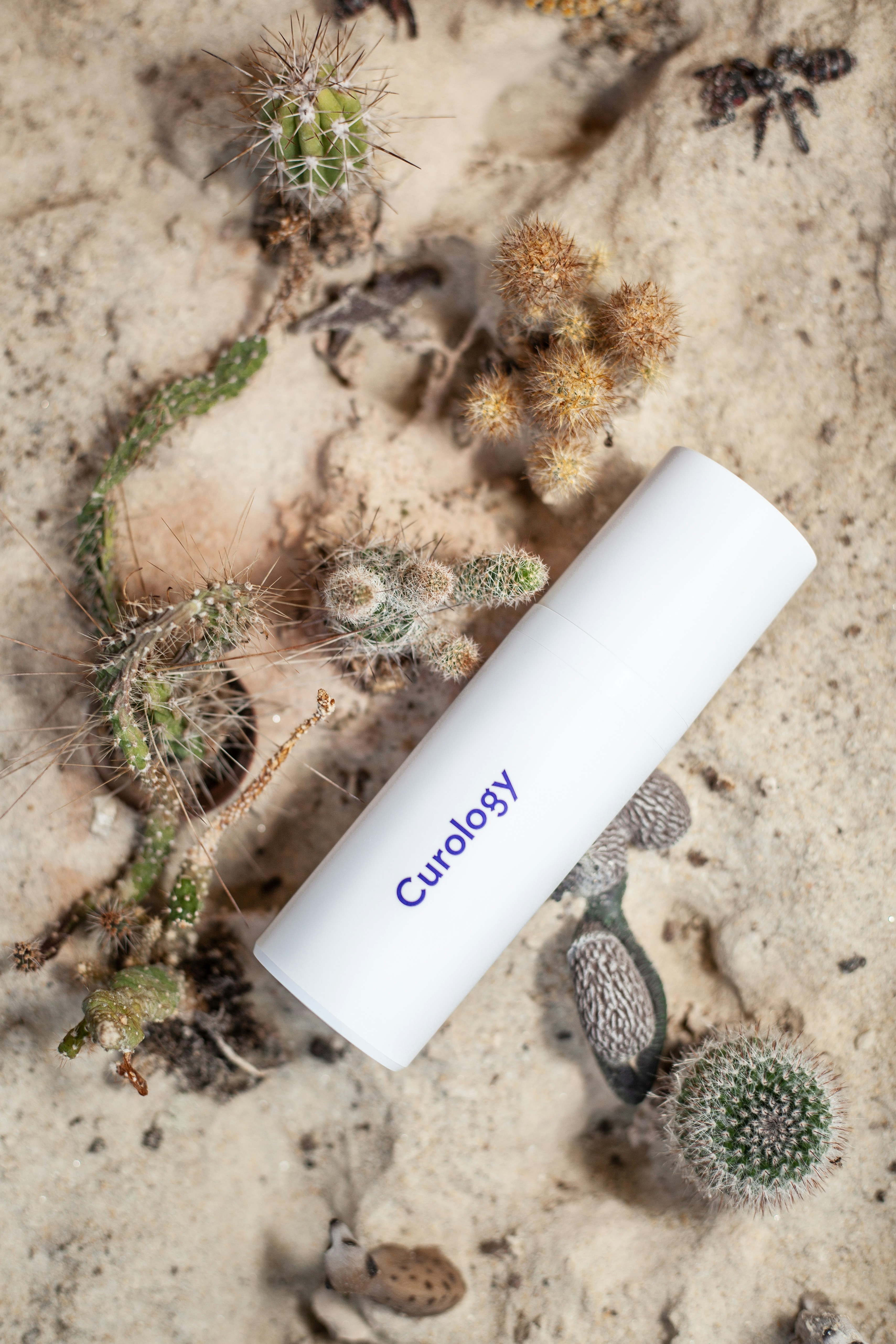
Skinimalism in 2026: A Simple Routine That Works
Why skinimalism is more than a trend
Skinimalism is a decision-making framework: cleanse without stripping, moisturize consistently, protect from ultraviolet exposure, and use treatments selectively. It can be especially helpful for people who cannot tell which product causes irritation. Simplicity also improves adherence; the best routine is the one you can follow on busy mornings and tired evenings.
Step 1: Stabilize the skin barrier
Start with a gentle cleanser, a fragrance-free moisturizer, and broad-spectrum sunscreen. Look for ingredients such as ceramides, glycerin, squalane, or panthenol. If your face burns when water touches it, pause exfoliating products and focus on comfort before pursuing brightening or anti-aging goals.
Step 2: Choose one targeted active
After two or three weeks of stability, decide what matters most: uneven tone, acne, texture, or visible lines. Pick one treatment and introduce it slowly. Vitamin C may suit a morning routine; retinoids can support texture at night; niacinamide can be a versatile option for barrier support and uneven appearance. Avoid changing several variables at once.
Step 3: Build a morning routine
Use cleanser if needed, then a treatment, moisturizer, and sunscreen. Many people with dry skin can simply rinse in the morning. Sunscreen is not a cosmetic extra: ultraviolet exposure contributes to premature skin aging and uneven pigmentation. Reapply according to your exposure and the product label.
Step 4: Build a night routine
Remove sunscreen and makeup gently, apply your chosen treatment on dry skin, and finish with moisturizer. Recovery nights are useful. On those evenings, skip strong actives and focus on hydration. This is where a thoughtful skin barrier guide can prevent the cycle of irritation and overcorrection.
Make the healthy choice the easy choice
Prepare one component in advance, keep the most useful ingredients visible, and remove unnecessary friction. This approach is more sustainable than depending on motivation. For related guidance, explore niacinamide benefits.
How to know the routine is working
Track comfort, fewer flare-ups, smoother texture, and gradual improvement rather than expecting a dramatic overnight change. Take a photo in the same lighting every four weeks. If redness, swelling, blistering, or persistent burning develops, stop the suspected product and seek medical advice.
A simple weekly plan
Monday and Thursday can be treatment nights; the remaining nights can be recovery nights. This is only a starting point, not a rule. Sensitive skin may need less frequency, while a dermatologist may recommend a different schedule. Your routine should respond to your skin, not to a social-media calendar.
Ingredient combinations to approach carefully
Strong exfoliating acids, retinoids, fragranced formulas, and abrasive scrubs can all be useful in the right context, but stacking them increases the chance of irritation. For a deeper explanation of barrier-friendly care, read this skin microbiome routine. Patch testing and gradual introduction are more valuable than chasing the strongest formula.
How to personalize the plan
A useful routine starts with your actual baseline. Note what you use, when you use it, and how your body responds for one week. Then change one variable. This simple method prevents the common mistake of adding three new products or habits at once and being unable to identify what helped. It also makes conversations with a professional more productive because you can describe a clear timeline rather than relying on memory.
The consistency advantage
Small actions compound. A five-minute routine completed most days usually beats an ambitious plan that happens once a week. Build environmental cues: place the moisturizer beside your toothbrush, prepare breakfast ingredients in a visible container, or keep the phone away from the bed. These are not glamorous interventions, but they reduce decision fatigue and make healthy behavior automatic.
Common mistakes to avoid
Avoid interpreting discomfort as proof that a product or habit is working. Burning, severe fatigue, dizziness, persistent pain, and marked mood changes are signals to pause and reassess. Marketing language can also overpromise. Look for transparent ingredients, realistic time frames, and claims supported by reputable health organizations rather than dramatic before-and-after stories.
A practical tracking checklist
At the end of each week, ask: Was the plan comfortable? Could I repeat it during a busy week? Did I notice a useful change? What created friction? Keep the answers short. The aim is not perfection; it is feedback. If the plan repeatedly fails, simplify it instead of blaming yourself.
Safety and professional advice
General wellness information cannot replace an individual assessment. Pregnancy, chronic disease, prescription medicines, allergies, eating-disorder history, kidney disease, and persistent symptoms all change what is appropriate. When in doubt, ask a physician, pharmacist, registered dietitian, or dermatologist who can account for your circumstances.
Why trends should be filtered
A trend can be a helpful prompt, but popularity is not proof. Before adopting a new routine, ask what outcome it promises, whether the mechanism is plausible, what the downsides are, and whether a trusted organization supports it. This evidence-first filter protects your budget and keeps wellness from becoming another source of pressure.
A 30-day experiment
Choose one primary goal and define a modest measure. For skin, it might be comfort and fewer reactions; for sleep, a steadier wake time; for nutrition, a protein anchor at breakfast. Review after 30 days under similar conditions. If the result is neutral, adjust the plan. If it is positive, keep the simplest version that produced it.
Making the routine social
Tell a friend or household member what you are trying and ask for practical support, not policing. Shared breakfasts, a morning walk, or a screen-free wind-down can make a routine feel normal. Social support also helps reveal when a plan has become overly restrictive or is interfering with daily life.
Budget-friendly choices
Effective care does not require a luxury price tag. Compare the cost per use, choose multipurpose basics, and finish products before adding alternatives. For food, frozen vegetables, beans, oats, eggs, and plain yogurt can be inexpensive foundations. For sleep, a consistent schedule and a darker room may matter more than a costly gadget.
What progress really looks like
Progress is often quieter than social media suggests. It may look like fewer decisions, less irritation, waking with more predictability, or having a breakfast you can prepare without stress. These functional improvements are meaningful because they make the habit sustainable. Track them alongside visible or numerical outcomes.
Evidence and further reading
For additional context, consult American Academy of Dermatology guidance on skin care. Reputable sources can help separate general education from individualized medical advice.
How to keep the habit during difficult weeks
Real life includes travel, deadlines, illness, celebrations, and low-energy days. Create a minimum version of the routine for those moments. It might be cleansing and sunscreen, a fixed wake time plus a short wind-down, or a yogurt-and-fruit breakfast. The minimum version protects continuity without demanding perfection. When your schedule settles, return to the fuller plan gradually.
Questions to ask before buying a product
Before spending money, identify the exact problem you are trying to solve and the evidence behind the claim. Check the full ingredient list, serving or use instructions, return policy, and whether the seller is transparent about testing. Be cautious with promises of instant transformation, detoxification, guaranteed hormone balance, or results that sound too good to be true. A calm purchase is usually a better purchase.
How environment shapes results
Behavior and surroundings are connected. A bright bedroom, a phone on the pillow, missing breakfast ingredients, or a bathroom shelf full of competing products can quietly undermine good intentions. Change the environment before demanding more willpower. Put helpful items within reach and make distractions slightly harder to access. Small design changes often produce larger results than motivational speeches.
Reviewing the evidence
Health information evolves. Prefer sources that explain limitations, distinguish association from causation, and update their recommendations. A study can be interesting without proving that a product will work for everyone. Look for agreement across multiple reputable sources and remember that individual response, dose, timing, and adherence can change the outcome.
Listen to your body without fear
Paying attention does not mean becoming anxious about every sensation. Use a simple threshold: mild, temporary adjustment may be observed cautiously; persistent, worsening, or severe symptoms deserve a pause and professional advice. This balanced approach avoids both ignoring warning signs and abandoning every healthy habit after one imperfect day.
Final practical checklist
- Choose one clear goal.
- Start with the simplest effective version.
- Change one variable at a time.
- Track progress for at least several weeks.
- Use trusted sources and seek professional help when symptoms persist.
Building confidence through repeatable choices
There is value in knowing exactly what to do next. A short routine reduces the number of decisions competing for attention and makes it easier to notice meaningful changes. Write the plan in plain language, keep the tools you need together, and give the experiment enough time to be fair. If a step is too complicated to repeat, simplify the step rather than abandoning the whole goal.
Use reminders as temporary scaffolding, not as a judgment. A calendar note, a prepared ingredient, or a product placed where you will see it can help until the behavior becomes familiar. Celebrate process markers: completing the routine, preparing ahead, or choosing a safer alternative. Those actions are evidence that the system is working, even before the headline result appears.
Adapting instead of starting over
Progress rarely moves in a straight line. A stressful week, a change in schedule, or a skin flare can interrupt momentum. When that happens, return to the minimum version and rebuild one layer at a time. Avoid compensating with extreme restriction, excessive products, or an unrealistic schedule. Flexible plans are not weaker plans; they are more likely to survive real life.
After your review period, keep what helped and remove what did not. Share persistent concerns with an appropriate professional and bring your notes, product labels, or symptom timeline. Good decisions become easier when they are based on observed patterns rather than internet pressure.
Keep the focus on useful information, realistic expectations, and choices that respect your health history. A sustainable approach leaves room for enjoyment and recovery while still moving you toward your goal.
Building confidence through repeatable choices
There is value in knowing exactly what to do next. A short routine reduces the number of decisions competing for attention and makes it easier to notice meaningful changes. Write the plan in plain language, keep the tools you need together, and give the experiment enough time to be fair. If a step is too complicated to repeat, simplify the step rather than abandoning the whole goal.
Use reminders as temporary scaffolding, not as a judgment. A calendar note, a prepared ingredient, or a product placed where you will see it can help until the behavior becomes familiar. Celebrate process markers: completing the routine, preparing ahead, or choosing a safer alternative. Those actions are evidence that the system is working, even before the headline result appears.
Adapting instead of starting over
Progress rarely moves in a straight line. A stressful week, a change in schedule, or a skin flare can interrupt momentum. When that happens, return to the minimum version and rebuild one layer at a time. Avoid compensating with extreme restriction, excessive products, or an unrealistic schedule. Flexible plans are not weaker plans; they are more likely to survive real life.
After your review period, keep what helped and remove what did not. Share persistent concerns with an appropriate professional and bring your notes, product labels, or symptom timeline. Good decisions become easier when they are based on observed patterns rather than internet pressure.
Conclusion
The most useful change is the one that fits real life. Start with one small adjustment, observe how you feel, and refine the plan without chasing extremes. Evidence-informed habits work best when they are consistent, flexible, and supported by professional advice when needed.
Frequently Asked Questions
Is skinimalism suitable for sensitive skin?
Often, because fewer products can mean fewer potential irritants. Choose gentle, fragrance-free basics and introduce treatments slowly.
How many products do I need?
There is no fixed number. Cleanser, moisturizer, and sunscreen are a reasonable foundation; add one targeted product only if needed.
Can I use retinol in a minimalist routine?
Yes, if appropriate for you. Introduce it gradually and follow medical guidance, especially during pregnancy or breastfeeding.
Gostou deste conteúdo? Confira nossa recomendação especial para aprofundar seus conhecimentos.
Our practical recommendation
Consider a gentle barrier-support moisturizer from a reputable brand, compare ingredients, and follow the label. This is educational content, not medical advice.
Some links may be affiliate links; we may earn a commission at no extra cost to you.