

 Rizioshop
How Sound Frequencies Influence Your Brain: What Science Actually Shows
Affiliate Disclosure: RizioShop is supported by our readers. When you purchase through links on our site, we may earn an affiliate commission at no extra cost to you. We only recommend products grounded in practical utility and sound principles. Learn more about Frequency Shift Protocol on our official review page.
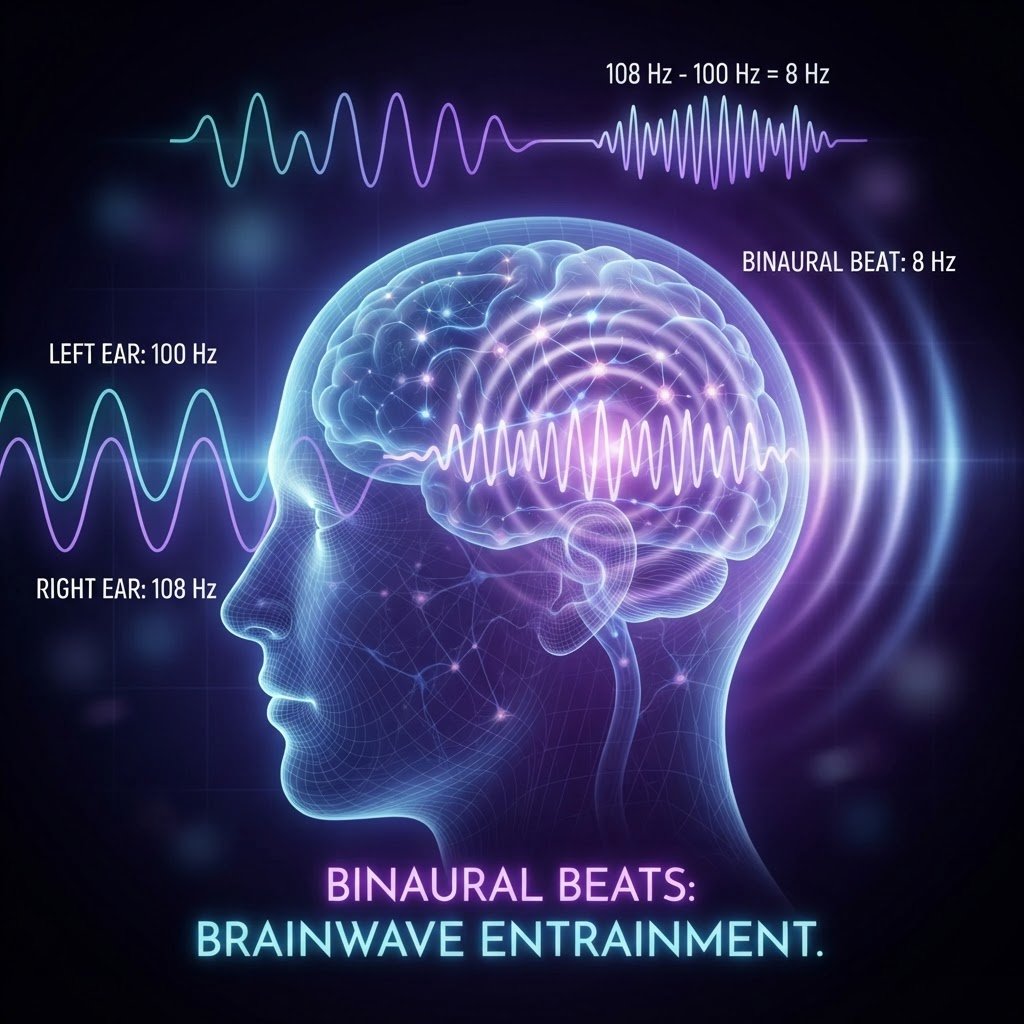
Can listening to specific sound frequencies alter your mood, sharpen your concentration, or guide your mind into deep, restorative sleep? In recent years, acoustic wellness has expanded from specialized research laboratories into mainstream health routines. Millions of people tune into binaural beats, ambient 432 Hz soundscapes, or rhythmic theta pulses to elevate their daily productivity and manage stress.
However, as interest in acoustic soundscapes explodes, so does the confusion between peer-reviewed auditory neuroscience and sensationalized marketing claims. You may have seen promises online asserting that certain frequencies can instantly repair cellular structure or rewire the brain overnight. What does empirical science actually say about sound frequencies and brain health?
This comprehensive investigation explores the biophysics of acoustic neural coupling, the real mechanics of brainwave entrainment, the strengths and limitations of binaural beats research, and practical strategies for integrating frequency therapy into your daily life. Whether you are looking to optimize your focus during intense work sessions or quiet a racing mind before sleep, understanding how your auditory system interacts with your central nervous system empowers you to make informed, evidence-based decisions.
Quick Answer & Key Takeaways
If you are looking for a fast, science-backed overview of how acoustic stimulation interacts with neural activity, here are the essential facts established by neuroscientists and acoustic researchers:
- Neural Entrainment is Real: The brain naturally synchronizes its electrical activity to rhythmic external sensory cues—a biophysical phenomenon known as the Auditory Steady-State Response (ASSR) or brainwave entrainment.
- Frequency Bands Dictate Mental States: Human brainwaves span distinct electrical frequency bands, ranging from high-frequency Gamma (30–100 Hz) associated with peak concentration to low-frequency Delta (0.5–4 Hz) dominating deep slow-wave sleep.
- Binaural vs. Monaural Tones: Binaural beats are cognitive auditory illusions generated in the brainstem (superior olivary complex) when two slightly different tones are played independently to each ear through headphones. Monaural tones and isochronic pulses deliver physical acoustic beats directly to the ear and produce stronger cortical entrainment markers on electroencephalograms (EEG).
- Sensational Claims vs. Physiological Science: Acoustic frequencies do not cure medical conditions or repair human DNA. However, rigorous clinical research demonstrates that sound therapy can regulate autonomic nervous system activity, promote parasympathetic dominance, lower cortisol markers, and enhance subjective sleep quality and focus.
- Structured Protocols Work Best: Consistent, targeted sound frequency exposure—such as that found in organized auditory programs—yields significantly better cognitive and relaxation outcomes than random sound playback. You can see the official product page for the Frequency Shift Protocol to explore how engineered frequency sequences are applied in daily routines.
| Brainwave Band | Frequency Range | Associated Cognitive State | Primary Acoustic Application |
|---|---|---|---|
| Delta | 0.5 Hz – 4 Hz | Deep, dreamless slow-wave sleep, cellular restoration | Sleep onset, nighttime auditory protocols, deep relaxation |
| Theta | 4 Hz – 8 Hz | REM sleep, deep meditation, creative intuition, light drowsiness | Stress reduction, inner reflection, creative flow priming |
| Alpha | 8 Hz – 12 Hz | Relaxed alertness, calm focus, mental quietude, stress resilience | Pre-task calming, anxiety dampening, light work sessions |
| Beta | 12 Hz – 30 Hz | Active concentration, logical reasoning, problem-solving, alertness | Intense study, office productivity, cognitive task performance |
| Gamma | 30 Hz – 100 Hz | Peak cognitive processing, information integration, hyper-awareness | Complex problem solving, memory consolidation, athletic priming |
The Biophysics of Sound Frequencies and Brain Health
To understand how sound frequencies influence human consciousness, one must first trace the physical journey of a sound wave as it travels from the surrounding environment into the complex networks of the human brain. Sound is fundamentally a mechanical wave—a series of pressure oscillations traveling through a medium such as air.
How the Brain Converts Acoustic Waves into Neural Signals
When an acoustic wave strikes the outer ear, it is funneled through the ear canal to the tympanic membrane (eardrum), causing it to vibrate. These mechanical vibrations are amplified by three tiny bones in the middle ear—the malleus, incus, and stapes—and transmitted into the fluid-filled cochlea of the inner ear.
Inside the cochlea, thousands of microscopic hair cells act as sensory mechanoreceptors. Different regions of the cochlear basilar membrane respond to specific frequencies—an organizational structure known as tonotopy. High-frequency sounds stimulate the base of the cochlea, while low-frequency sounds travel further to stimulate the apex. As these hair cells bend in response to fluid movement, they open ion channels, transforming mechanical pressure into electrical nerve impulses. These electrical signals travel along the auditory nerve to the brainstem, thalamus, and ultimately to the primary auditory cortex (A1) located in the temporal lobes.
Neural Phase-Locking and Auditory Steady-State Response (ASSR)
Once electrical auditory signals arrive in the brain, a fascinating neurological phenomenon occurs: neural phase-locking. At low and moderate sound frequencies, individual neurons or populations of neurons fire action potentials synchronized with the specific phase of the incoming acoustic wave. In other words, the firing rhythm of auditory neurons mirrors the frequency of the sound heard.
When the brain is presented with a continuous, rhythmically repeating acoustic stimulus—such as a pulse beating 10 times per second (10 Hz)—electroencephalography (EEG) recordings reveal a distinct brainwave response known as the Auditory Steady-State Response (ASSR). The electrical rhythms of the cortex align with the rhythmic rate of the acoustic input. This phenomenon forms the foundational scientific pillar of acoustic frequency therapy and brainwave entrainment.
Brainwave Frequency Bands Explained
The human brain is an electro-chemical organ containing tens of billions of neurons that communicate through synchronized electrical impulses. When measured via EEG, these collective electrical discharges form rhythmic wave patterns categorized by their frequency (measured in Hertz, or cycles per second):
- Delta Waves (0.5 to 4 Hz): The slowest brainwaves with the highest amplitude. Delta waves dominate during deep, restorative slow-wave stage 3 and 4 non-REM sleep. In this state, the body prioritizes muscle repair, growth hormone release, and immune system strengthening.
- Theta Waves (4 to 8 Hz): Associated with twilight states between wakefulness and sleep, vivid visualization, deep meditation, and rapid eye movement (REM) dreaming. Theta states correlate with reduced conscious filtering and enhanced emotional memory processing.
- Alpha Waves (8 to 12 Hz): Often described as the brain’s “idle state” or calm alertness. Alpha waves emerge when you close your eyes and relax without falling asleep. Alpha activation bridges the conscious mind with the subconscious and plays a critical role in filtering out distracting sensory noise.
- Beta Waves (12 to 30 Hz): The predominant frequency band of active wakefulness. Low Beta (12–15 Hz) reflects calm attention, mid Beta (15–20 Hz) corresponds to active analytical thinking, and high Beta (20–30 Hz) is associated with intense focus, stress, or heightened anxiety.
- Gamma Waves (30 to 100 Hz): The fastest measured brainwave frequencies. Gamma rhythms reflect synchronized firing across dispersed brain regions, supporting high-level information processing, cross-modal perception, complex memory retrieval, and flow states.
Understanding these frequency bands highlights a vital principle: the brain does not operate on a single static frequency. Instead, it maintains a complex symphony of overlapping frequencies. Acoustic stimulation aims to gently shift the dominant frequency distribution toward a desired mental state, leveraging the principles of sound frequencies and brain health.
Brainwave Entrainment: Scientific Mechanisms vs. Marketing Myths
As interest in frequency therapy has expanded online, so has the gap between peer-reviewed sound healing science and marketing hyperbole. Disentangling rigorous acoustic neuroscience from unfounded claims is essential for anyone seeking legitimate cognitive and wellness benefits.
What Is Brainwave Entrainment?
Entrainment is a universal physical phenomenon first observed by Dutch physicist Christiaan Huygens in 1665. Huygens noticed that two pendulum clocks hanging from the same wooden beam eventually synchronized their swings due to subtle mechanical vibrations transmitted through the wood. In biophysics, entrainment refers to the alignment of two independent oscillating systems.
In the context of neurology, brainwave entrainment occurs when rhythmic external sensory stimuli—auditory clicks, visual flashes, or tactile pulses—encourage cortical electrical oscillations to match the frequency of the external rhythm. While visual entrainment uses flickering lights and tactile entrainment uses rhythmic vibrations, auditory entrainment utilizes specialized sound waves to achieve neural synchronization.
Binaural Beats Research: Dichotic Listening in the Brainstem
Discovered in 1839 by German scientist Heinrich Wilhelm Dove, binaural beats have become the most famous form of acoustic entrainment. A binaural beat is created when two pure acoustic tones of slightly different frequencies are delivered separately to each ear using stereo headphones.
For example, if a 400 Hz tone is played into your left ear and a 410 Hz tone is played into your right ear, your ear canals receive two static, continuous sounds. However, your brain does not perceive two separate sounds. Instead, neurons in the superior olivary complex—a subcortical brainstem structure responsible for localization of sound—integrate the two inputs and perceive a single, pulsating tone that pulses at the difference frequency: 10 Hz (410 Hz minus 400 Hz).
What does binaural beats research tell us about their real-world effectiveness?
- Cognitive and Stress Impact: Clinical trials published in peer-reviewed neuroscience journals indicate that listening to Alpha (10 Hz) and Theta (6 Hz) binaural beats can significantly reduce subjective anxiety scores and lower autonomic stress markers.
- Focus and Attention: Studies on Beta (15–20 Hz) and Gamma (40 Hz) binaural beats demonstrate moderate improvements in working memory capacity, selective attention tasks, and vigilance among adult test subjects.
- Requirement for Headphones: Because binaural beats rely on dichotic presentation (delivering distinct signals to left and right ears independently), they must be listened to through high-quality stereo headphones. Playing binaural beat tracks through open-air room speakers mixes the sound waves in the air before reaching your ears, completely destroying the binaural illusion.
Monaural Tones and Isochronic Pulses: Physical vs. Perceptual Entrainment
While binaural beats receive the most public attention, auditory neuroscientists often highlight two alternative forms of entrainment that exhibit distinct physical properties: monaural tones and isochronic pulses.
Monaural Tones: Unlike binaural beats, monaural beats occur physically outside the human body. When two close frequencies (e.g., 400 Hz and 410 Hz) are mixed electronically or played through the same speaker, they physically interfere with each other in the acoustic medium. The overlapping sound waves create a physical amplitude modulation—a rhythmic swelling of volume—at 10 Hz. Because the beat exists in the air, monaural tones do not require headphones and stimulate both ears equally, generating strong mechanical responses in the cochlea and robust ASSR markers on EEG readings.
Isochronic Pulses: Isochronic pulses consist of a single pure tone that is turned rapidly on and off at evenly spaced, sharp intervals. Unlike smooth sinusoidal sound waves, isochronic pulses feature distinct, abrupt volume contrasts (100% volume to absolute silence). This sharp acoustic onset triggers pronounced electrical spike responses in the auditory cortex, making isochronic pulses one of the most powerful acoustic drivers of cortical entrainment recorded in clinical laboratory settings.
| Entrainment Method | Mechanism of Beat Creation | Headphone Required? | Cortical EEG Response Strength | Best Suited For |
|---|---|---|---|---|
| Binaural Beats | Perceptual auditory illusion synthesized in the brainstem (superior olivary complex) | Yes (Strict stereo separation required) | Moderate (Subcortical origin, subtle cortical resonance) | Relaxation, meditation, anxiety reduction, sleep preparation |
| Monaural Tones | Physical acoustic wave interference created before reaching the eardrum | No (Can be listened to via speakers or headphones) | Strong (Direct peripheral cochlear stimulation) | Background work focus, ambient room listening, stress management |
| Isochronic Pulses | Sharp, evenly spaced acoustic pulses turning on and off at high contrast | No (Works effectively over speakers or headphones) | Very Strong (High amplitude acoustic contrast triggers sharp neural spikes) | High-level focus, cognitive priming, intense study sessions |
Solfeggio Frequencies (432 Hz, 528 Hz): Fact-Checking Internet Claims
No exploration of sound frequency benefits is complete without examining popular claims surrounding “Solfeggio frequencies”—specific numerical audio tones such as 432 Hz, 528 Hz, 639 Hz, and 852 Hz.
Internet articles frequently claim that 432 Hz is the “natural frequency of the universe” or that 528 Hz possesses mystical properties capable of “repairing damaged human DNA.” From a strict scientific perspective, these claims require objective analysis:
- The DNA Repair Myth: There is no peer-reviewed molecular biology or clinical genetic evidence proving that listening to a 528 Hz audio tone repairs cellular DNA. DNA replication and repair are complex enzymatic processes governed by biochemistry, not remote acoustic vibrations from small audio speakers.
- Standard Tuning vs. Acoustic Preference: Standard modern musical instruments are tuned to A = 440 Hz (established as an international standard in 1953). Tuning music to A = 432 Hz slightly lowers the overall pitch of musical notes. Some physiological studies have found that music tuned to 432 Hz can induce slightly greater decreases in heart rate and respiratory rate compared to 440 Hz music, likely because lower pitch profiles are perceived by the human ear as warmer, softer, and less harsh.
- Stress Reduction Realities: While Solfeggio tones do not alter cellular genetics, listening to harmonious, continuous tones in the 400–600 Hz range promotes deep physiological relaxation by slowing down autonomic arousal. The benefits stem from psychological soothing and autonomic nervous system regulation rather than magical mathematical formulas.
By relying on verifiable neuroscientific facts, you can enjoy sound frequency protocols for what they genuinely provide: effective, non-invasive tools for guiding mental states and managing stress.
Sound Frequency Benefits: What Science Actually Shows
When evaluated through peer-reviewed research in auditory neuroscience, cognitive psychology, and clinical acoustics, sound frequencies and brain health reveal tangible, documentable benefits. Below are the primary areas where sound frequency therapy demonstrates significant scientific support.
1. Focus, Executive Function, and Beta/Gamma Entrainment
Maintaining high-level concentration in modern work and study environments is increasingly difficult due to constant digital interruptions. Rhythmic acoustic stimulation in the Beta (15–20 Hz) and Gamma (40 Hz) bands offers an effective mechanism to prime the brain for task performance.
Neuroscientists have observed that when subjects listen to 40 Hz Gamma entrainment protocols while performing cognitive tasks, several measurable improvements take place:
- Enhanced Selective Attention: Gamma stimulation promotes temporal binding—the synchronization of local neural assemblies across the prefrontal cortex and parietal lobes—allowing the brain to filter out irrelevant environmental stimuli.
- Working Memory Retention: Studies measuring digit-span memory and visual pattern recall show statistical improvements when subjects listen to Beta or Gamma frequency streams prior to and during testing.
- Reduction in Mental Fatigue: Rhythmic Beta stimulation maintains steady cortical activation, helping prevent the cognitive dip typically experienced during prolonged, demanding intellectual labor.
2. Stress Reduction, Anxiety Dampening, and Alpha Wave Activation
Chronic stress triggers sustained sympathetic nervous system activation, elevating systemic cortisol levels, increasing blood pressure, and impairing cognitive flexibility. Frequency therapy designed around Alpha waves (8–12 Hz) serves as a potent bridge toward autonomic recovery.
When an individual listens to Alpha frequency protocols, EEG monitors record a characteristic spreading of synchronized Alpha rhythms from the occipital region toward the frontal cortex. This electrophysiological shift is accompanied by distinct physiological markers:
- Heart Rate Variability (HRV) Improvement: Alpha acoustic entrainment increases HRV measures, indicating a transition from fight-or-flight sympathetic tone to rest-and-digest parasympathetic dominance.
- Cortisol Suppression: Clinical evaluations of acoustic relaxation sessions demonstrate measurable reductions in salivary cortisol following 20 to 30 minutes of continuous Alpha wave listening.
- Quiet Mind Experience: Subjects report a reduction in spontaneous negative thought loops (rumination), making Alpha frequency therapy an ideal tool for individuals struggling with daily work anxiety.
3. Sleep Architecture Optimization with Theta and Delta Frequencies
Sleep disruption affects millions of adults worldwide, leading to cognitive impairment, emotional dysregulation, and metabolic strain. Acoustic entrainment tailored to low-frequency Theta (4–8 Hz) and Delta (0.5–4 Hz) bands offers a natural, non-pharmacological approach to supporting sleep hygiene.
Audio sleep protocols utilize progressive frequency shifting—a technique where audio tracks start at an Alpha frequency (e.g., 10 Hz) to soothe daytime racing thoughts, gradually descending over 30 to 45 minutes into Theta and slow-wave Delta frequencies (1–3 Hz). Scientific observations confirm several positive impacts on sleep architecture:
- Reduced Sleep Onset Latency: Slow-wave auditory entrainment helps individuals fall asleep faster by easing the brain out of high-frequency Beta wakefulness.
- Increased Slow-Wave Sleep Duration: Auditory stimulation synchronized with endogenous slow-wave oscillations during early sleep stages can boost the amplitude of deep Delta waves, which are crucial for glymphatic brain clearing and cellular restoration.
- Minimization of Nighttime Awakenings: Soft, continuous acoustic frequency tracks provide a consistent auditory background that masks sudden environmental noises while reinforcing stable neural sleep rhythms.
4. Creative Priming, Flow States, and Theta-Alpha Synchronization
Creative problem-solving requires a unique cognitive state wherein the brain seamlessly connects distant concepts and insights. EEG studies of artists, musicians, and innovators reveal that creative breakthroughs correlate with high levels of frontal Theta-Alpha synchronization.
By exposing the brain to combined Alpha-Theta audio frequencies (around 7 to 9 Hz), acoustic protocols help induce a state of relaxed vigilance often described as a “flow state.” In this state, the analytical inner critic (associated with high Beta hyper-vigilance) recedes, allowing spontaneous ideas, innovative problem-solving, and associative thinking to flourish.
Practical Protocols for Sound Frequency Therapy at Home
To maximize the real-world benefits of frequency therapy and acoustic entrainment, how you listen is just as important as what you listen to. Implementing structured auditory protocols ensures consistent, safe, and effective results.
Setting Up Your Listening Environment
Creating an optimal acoustic environment does not require expensive laboratory equipment, but paying attention to basic audio parameters makes a significant difference:
- Headphone Selection: For binaural beat tracks, over-ear or comfortable in-ear stereo headphones are mandatory to ensure complete channel separation between the left and right ears. Look for headphones with neutral frequency response characteristics so that low-frequency tones are reproduced accurately. For monaural or isochronic tracks, high-quality room speakers work equally well.
- Volume Calibration: Loud sound is not more effective for entrainment. In fact, listening to audio at high volumes can trigger stress responses and lead to auditory fatigue. Keep your playback volume at a comfortable, moderate level—typically between 60 dB and 70 dB SPL (roughly equivalent to the sound of a quiet conversational tone or soft background rain).
- Minimizing Environmental Distractions: Turn off smartphone notifications or set your device to Do Not Disturb mode during entrainment sessions. Sudden loud alerts disrupt neural entrainment and instantly trigger sympathetic nervous system arousal.
Optimal Timing and Session Durations
Match your frequency selection to your daily circadian rhythm and immediate cognitive goals:
| Time of Day | Target Goal | Recommended Frequency | Suggested Duration | Delivery Method |
|---|---|---|---|---|
| Morning (Post-Waking) | Cognitive wakefulness, morning focus, alertness | Beta (15–20 Hz) or Gamma (40 Hz) | 15 to 25 minutes | Isochronic Pulses or Monaural Tones |
| Midday (Work Session) | Sustained concentration, task accuracy, flow state | Alpha (10–12 Hz) or Low Beta (14 Hz) | 30 to 60 minutes | Binaural Beats or Monaural Tones |
| Late Afternoon | Decompression, mental refresh, stress reset | Alpha (8–10 Hz) | 20 to 30 minutes | Binaural Beats with Headphones |
| Evening (Pre-Bedtime) | Sleep preparation, mind calming, drowsiness | Theta (4–7 Hz) transitioning to Delta (1–3 Hz) | 45 to 60 minutes | Binaural Beats or Soft Ambient Isochronic |
Safety Considerations and Auditory Hygiene
Acoustic entrainment is generally safe, non-invasive, and well-tolerated by the vast majority of adults. However, adhering to sound listening hygiene principles prevents potential discomfort:
- Epilepsy and Seizure Sensitivity: Individuals with photosensitive or auditory-evoked epilepsy or those prone to seizures should consult a physician before using pulsed audio frequencies or isochronic tones, as strong rhythmic sensory stimulation can occasionally trigger neural instability in susceptible individuals.
- Driving and Operating Machinery: Never listen to Delta or Theta frequency tracks while driving, operating heavy machinery, or performing tasks requiring sharp physical reactions. Low-frequency entrainment promotes drowsiness and slows motor reaction times.
- Auditory Fatigue: Take regular breaks from headphone use. Prolonged daily headphone exposure at elevated volumes can cause acoustic fatigue or inner ear irritation. Limit headphone entrainment sessions to 2 to 3 hours maximum per day.
Evaluating Structured Audio Programs: The Frequency Shift Protocol
While basic single-frequency tone generators are widely available on the internet, many users find raw static tones harsh, unengaging, or difficult to listen to for extended periods. This has driven growing interest in professionally engineered acoustic wellness platforms, such as the Frequency Shift Protocol.
What Is the Frequency Shift Protocol?
The Frequency Shift Protocol is a structured digital audio platform engineered to harness multi-layered acoustic entrainment for cognitive optimization, stress management, and sleep support. Rather than offering basic single-frequency sine waves, the protocol combines precision-tuned entrainment frequencies (binaural beats and monaural layers) with rich natural acoustic soundscapes, ambient musical harmonies, and gentle organic textures.
Key design elements that distinguish comprehensive programs include:
- Dynamic Frequency Shifting: Instead of locking the listener into a single static frequency, the program uses progressive acoustic ramps—smoothly transitioning the brain from active wakefulness down into deep meditative states or ramping up for focused work sessions.
- Multi-Layered Psychoacoustics: By embedding entrainment pulses beneath soothing musical arrangements, the tracks eliminate the ear fatigue often caused by raw, unmodulated tone generators.
- Targeted Goal-Based Tracks: Specialized audio modules are tailored for specific operational outcomes, including rapid morning alertness, mid-day stress reset, deep creative problem-solving, and nocturnal sleep transition.
Who Can Benefit Most from Guided Frequency Programs?
Structured acoustic protocols are particularly valuable for individuals looking for reliable, non-pharmacological methods to optimize daily mental performance:
- Busy Professionals & Students: Knowledge workers seeking to extend deep-focus windows, minimize digital distraction, and enhance complex task completion.
- Individuals Managing Daily Stress: People experiencing persistent mental restlessness who need an accessible, daily non-invasive calming routine.
- Sleep-Conscious Adults: Individuals struggling with poor nighttime wind-down habits who want to establish a structured auditory sleep routine.
- Meditation Practitioners: Beginners who find silent meditation challenging and benefit from an acoustic “anchor” to steady wandering thoughts.
If you want to read a detailed breakdown of how this program is organized, its audio architecture, and real user experiences, you can Learn more about Frequency Shift Protocol in our complete review.
The Future of Auditory Neuroscience and Acoustic Wellness
The field of auditory neuroscience is progressing rapidly. Modern brain-imaging technologies—including high-density functional magnetic resonance imaging (fMRI) and magnetoencephalography (MEG)—are granting researchers unprecedented insights into how specific acoustic patterns modulate subcortical structures and neural networks.
Emerging research directions include:
- Closed-Loop Auditory Stimulation: Wearable headbands equipped with real-time EEG sensors capable of detecting exact brainwave phase angles during sleep, delivering millisecond-precise acoustic pulses to amplify slow-wave sleep in real time.
- Cross-Frequency Coupling Research: Investigating how low-frequency Theta waves modulate the amplitude of high-frequency Gamma bursts—a biological mechanism key to memory encoding and retrieval.
- Vagus Nerve Acoustic Interactivity: Exploring how low-frequency vibroacoustic stimulation delivered through localized acoustic transducers stimulates the auricular branch of the vagus nerve, promoting rapid autonomic recovery and inflammatory modulation.
As empirical research expands, acoustic frequency technology will continue transitioning from niche wellness alternative to a mainstream component of evidence-based personal health and cognitive hygiene.
Conclusion and Final Takeaways
The scientific study of sound frequencies and brain health establishes a compelling reality: sound is far more than background noise. Rhythmic acoustic frequencies interact directly with human neural circuitry, inducing physical electrical responses in the cortex, modulating autonomic nervous system activity, and influencing mental states.
While marketing claims promising instant cellular miracles or overnight brain rewiring should be viewed with healthy skepticism, the documented benefits of acoustic entrainment are real and actionable. Whether you utilize binaural beats for soothing anxiety, isochronic pulses for sharpening focus, or dynamic acoustic suites like the Frequency Shift Protocol for structured daily wellness, sound frequency therapy offers a safe, versatile, and science-backed tool for taking control of your cognitive health.
To start incorporating acoustic wellness into your life today, begin by defining your immediate goal—whether that is morning focus, afternoon stress relief, or nighttime rest—select the corresponding frequency band, grab a comfortable pair of headphones, and let the science of neural entrainment go to work for you. For more insights and detailed evaluations of acoustic programs, visit the official product page for the Frequency Shift Protocol.
================================================================================