

 Rizioshop
BPH Natural Treatment: The Complete Guide to Prostate Health Supplements
Affiliate Disclosure: This comprehensive guide contains affiliate links to carefully selected prostate health supplements and wellness products. If you click through these links and make a purchase, we may receive a small commission at no additional cost to you. Our editorial content is strictly objective, evidence-based, and independent. We only recommend high-quality dietary supplements and wellness protocols that align with current peer-reviewed research and rigorous safety standards.
1. Introduction — Understanding BPH and Prostate Health
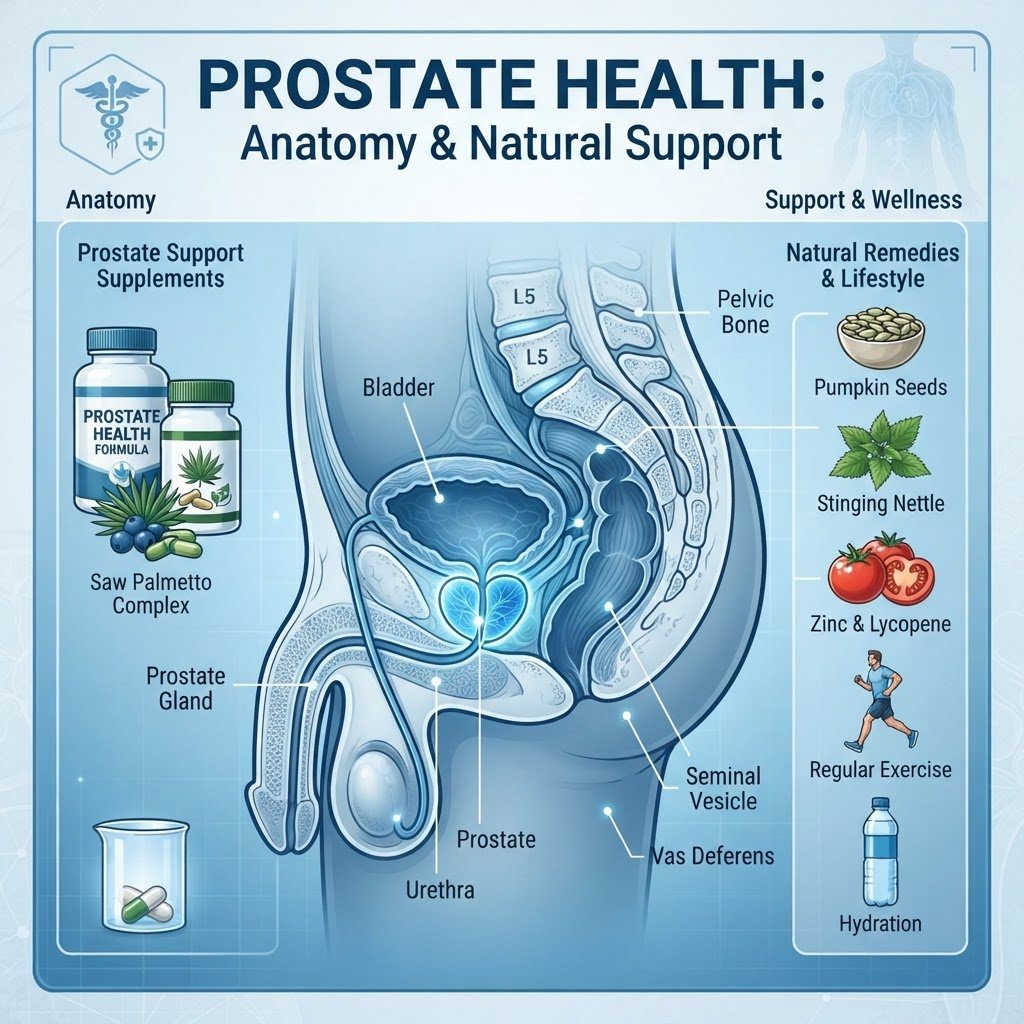
Prostate health is one of the most vital yet frequently overlooked components of men’s long-term wellness. Located directly beneath the urinary bladder and encircling the upper section of the urethra, the prostate gland plays a pivotal role in the male reproductive system. Its primary biological function is to produce seminal fluid, which nourishes and transports sperm. During a man’s younger years, the prostate typically remains roughly the size of a walnut and functions without noticeable interference. However, as men age, complex hormonal shifts trigger progressive tissue cellular growth within the gland, leading to a condition known as Benign Prostatic Hyperplasia, commonly abbreviated as BPH.
Navigating prostate health concerns can feel overwhelming due to the sheer volume of conflicting health information, marketing claims, and medical jargon available today. Many aging men begin noticing subtle changes in their urinary patterns—such as a weaker stream, waking up multiple times during the night, or experiencing a sudden, urgent need to urinate. While these symptoms can disrupt daily life, sleep quality, and overall well-being, it is important to realize that prostate enlargement is an exceptionally common physiological milestone associated with aging rather than an inevitable sentence to severe discomfort or invasive surgical procedures.
In recent years, an increasing number of men and healthcare practitioners have turned their attention toward natural support strategies, dietary modifications, targeted lifestyle interventions, and evidence-based nutritional supplementation. These natural approaches are designed to promote healthy prostate size, support smooth urinary flow, maintain hormonal balance, and reduce cellular oxidative stress. The purpose of this comprehensive guide is to provide an in-depth, scientifically informed roadmap to understanding BPH, exploring natural supplementation options, optimizing daily nutrition and lifestyle habits, and making empowered decisions for your lifelong prostate vitality.
As you read through this guide, keep in mind that holistic prostate care is not about finding a single “miracle pill.” Instead, it involves adopting a multi-faceted wellness lifestyle that combines targeted botanical extracts, essential micronutrients, anti-inflammatory dietary choices, physical activity, and proactive medical oversight. By addressing prostate health from a whole-body perspective, men can take meaningful steps toward maintaining optimal urinary comfort and enjoying a high quality of life well into their senior years.
2. What Is BPH? (Causes, Symptoms, Prevalence, When It Becomes Serious)
Benign Prostatic Hyperplasia (BPH) is a non-cancerous enlargement of the prostate gland. To understand how BPH develops, it is helpful to examine the anatomical relationship between the prostate and the urinary tract. Because the prostate surrounds the proximal portion of the urethra—the tube that carries urine from the bladder out of the body—any increase in the volume or mass of prostate tissue exerts physical pressure on the urethral channel. Over time, this mechanical compression restricts normal urine flow, causing the bladder muscle (the detrusor) to work significantly harder to pump urine out. Eventually, the bladder wall may thicken, weaken, or become hypersensitive, giving rise to the classic lower urinary tract symptoms (LUTS) associated with BPH.
Primary Causes and Hormonal Mechanisms
The primary driver of BPH is the natural aging process combined with ongoing shifts in male endocrine chemistry. As men age, total circulating testosterone levels gradually decline, while the conversion of testosterone into a potent androgen called dihydrotestosterone (DHT) remains active or elevated within prostate tissue. The enzyme responsible for this conversion is 5-alpha reductase. DHT binds powerfully to androgen receptors in the prostate, stimulating cell proliferation in both the stromal and epithelial compartments of the gland. Additionally, aging is accompanied by an alteration in the ratio of estrogen to testosterone. Relative increases in local tissue estrogen levels further sensitize the prostate to DHT, encouraging sustained, non-malignant tissue enlargement.
Common Symptoms of BPH
The clinical presentation of BPH is broadly categorized into two main types of lower urinary tract symptoms: obstructive (voiding) symptoms and irritative (storage) symptoms. Obstructive symptoms result directly from the physical blockage of the urethra, whereas irritative symptoms arise from the secondary changes in bladder function and muscle tone. The most common symptoms include:
- Hesitancy: Difficulty or delay in initiating a urinary stream even when the bladder feels full.
- Weak or Interrupted Stream: A noticeably reduced urine flow force, often characterized by stopping and starting during urination.
- Post-Void Dribbling: The persistent trickling of urine after finishing urination.
- Incomplete Bladder Emptying: A lingering sensation that the bladder has not cleared completely after voiding.
- Nocturia: The need to wake up two or more times during the night to urinate, which significantly disrupts sleep architecture and daytime energy.
- Urgency and Frequency: A sudden, compelling need to void immediately, accompanied by the need to urinate much more frequently throughout the day (often every 1 to 2 hours).
Prevalence Across Age Groups
BPH is recognized as one of the most prevalent health conditions affecting aging men worldwide. Clinical epidemiological studies demonstrate that microscopic evidence of prostatic enlargement is present in approximately 50% of men by age 50. This prevalence rises sharply with each passing decade, reaching nearly 70% to 80% among men in their 70s, and upwards of 90% among men aged 80 and older. Because BPH is so intrinsically linked with biological aging, proactive prostate health care is relevant to virtually every man as he enters middle age and beyond.
When BPH Becomes Serious
While BPH is inherently benign—meaning it is not prostate cancer and does not directly transform into cancer—it should never be ignored. If left unmanaged, severe bladder outlet obstruction can lead to serious secondary medical complications. Acute urinary retention (AUR) is a medical emergency in which a person suddenly becomes completely unable to pass urine, causing severe lower abdominal pain and requiring immediate emergency catheterization. Chronic obstruction can also lead to recurrent urinary tract infections (UTIs), bladder stone formation, bladder wall diverticula, and kidney damage (hydronephrosis or renal insufficiency) due to backpressure exerted on the upper urinary system. Recognizing these progression risks underscores why early, proactive management is so essential.
3. Natural Treatment Approaches Overview
The philosophy behind natural and holistic approaches to prostate health centers on supporting the body’s native physiological mechanisms, reducing systemic inflammation, and preserving normal endocrine balance. Rather than merely masking symptoms or resorting immediately to pharmaceutical drugs that may carry undesirable side effects, natural strategies aim to address the underlying physiological triggers that contribute to prostate enlargement and urinary discomfort.
Natural treatment protocols typically combine several complementary modalities, including targeted dietary supplements, anti-inflammatory whole-food nutrition, specific physical exercises, stress management techniques, and optimal hydration strategies. When integrated thoughtfully, these strategies work synergistically to provide comprehensive support for lower urinary tract function and prostate tissue integrity.
It is important to understand what natural approaches can and cannot achieve. Natural supplements and lifestyle modifications are designed to support normal prostate cell growth, promote healthy enzyme activity (such as modest inhibition of 5-alpha reductase), encourage smooth muscle relaxation in the prostate neck and bladder, and neutralize free radical damage. While natural protocols may help relieve mild-to-moderate urinary discomfort and improve overall quality of life, they are intended for ongoing nutritional and functional support rather than acute medical cures. Men with severe obstruction or rapid symptom progression should always work closely with an integrative urologist or primary care physician to combine natural strategies with appropriate medical monitoring.
4. Key Prostate Health Supplements
Nutritional and botanical supplements represent one of the most popular and extensively researched avenues for supporting prostate wellness. A wide array of plant extracts, vitamins, and minerals have been studied for their potential to foster healthy urinary flow, reduce night-time voiding frequency, and maintain balanced prostate tissue density. Below is a detailed, evidence-based analysis of the eight most prominent prostate health supplements available today.
Saw Palmetto (Serenoa repens)
What It Is: Saw Palmetto is an extract derived from the dark purple berries of the Serenoa repens palm tree, native to the southeastern coastal regions of the United States. It has a long history of traditional use among Native American populations for supporting urinary and reproductive health.
How It Works: Saw Palmetto extract contains a rich profile of fatty acids and phytosterols. Research suggests that it helps inhibit the activity of the 5-alpha reductase enzyme, which converts testosterone into dihydrotestosterone (DHT). By helping to modulate local DHT levels within the prostate gland, Saw Palmetto supports healthy cell growth patterns. Additionally, it exhibits mild anti-inflammatory properties and helps relax smooth muscle tissue surrounding the bladder neck.
Evidence: Numerous clinical trials and meta-analyses have evaluated Saw Palmetto. While results across individual studies vary depending on extract standardization and trial design, standardized liposterolic extracts (containing 85% to 95% fatty acids) have consistently shown positive outcomes in supporting urinary flow rate, reducing night-time urination frequency, and enhancing overall quality of life scores in men with mild-to-moderate BPH symptoms.
Dosage: The standard clinical dosage for standardized Saw Palmetto extract is 320 mg daily, taken either as a single daily dose or split into two 160 mg doses with meals.
Beta-Sitosterol
What It Is: Beta-sitosterol is a naturally occurring phytosterol (plant sterol) found in various plant foods, including vegetable oils, nuts, seeds, and legumes. It is structurally similar to cholesterol but offers unique physiological benefits for prostate and cardiovascular health.
How It Works: Beta-sitosterol works primarily by interacting with cell membranes within the prostate and bladder. It helps modulate inflammatory pathways, reduces swelling in prostatic tissue, and aids in relaxing the bladder neck sphincter. This enables smoother, more effortless urine passage without compromising normal hormonal function.
Evidence: Systematic reviews and meta-analyses published in major medical journals have highlighted beta-sitosterol as one of the most effective natural compounds for urinary symptom relief. Multiple randomized, double-blind trials report that men taking beta-sitosterol experience significant improvements in peak urinary flow rate (Qmax) and marked reductions in post-void residual urine volume compared to placebo groups.
Dosage: Clinical studies typically utilize dosages ranging from 60 mg to 130 mg of purified beta-sitosterol per day, often divided into two or three doses taken shortly before meals.
Zinc
What It Is: Zinc is an essential trace mineral required for hundreds of enzymatic processes, immune function, DNA synthesis, and cellular repair throughout the body.
How It Works: The prostate gland maintains the highest concentration of zinc of any soft tissue in the human body. Zinc plays a crucial role in normal prostate epithelial cell metabolism, Citrate production, and apoptotic regulation. It also acts as a natural 5-alpha reductase inhibitor and helps protect prostate cells against oxidative stress and heavy metal toxicity.
Evidence: Observational studies consistently demonstrate that tissue zinc levels in compromised or enlarged prostates are significantly lower than those in healthy prostate tissue. Nutritional research indicates that maintaining adequate zinc intake supports prostate volume management and helps preserve tissue integrity as men age.
Dosage: A typical daily supportive dose is 15 mg to 30 mg of elemental zinc (such as zinc picolinate, glycinate, or citrate). When taking zinc long-term, it is advisable to balance it with 1 mg to 2 mg of copper to prevent copper deficiency.
Pygeum Africanum (African Plum Bark)
What It Is: Pygeum is an herbal extract harvested from the bark of the African cherry tree (Prunus africana or Pygeum africanum), which grows in the mountainous regions of sub-Saharan Africa.
How It Works: Pygeum contains phytosterols (including beta-sitosterol), triterpenes, and ferulic acid esters. These bioactive constituents work together to inhibit bladder fibroblast proliferation, decrease inflammatory prostaglandins, improve bladder elasticity, and reduce nighttime urinary urgency.
Evidence: A comprehensive Cochrane database review evaluating multiple clinical trials concluded that Pygeum africanum extract provided moderate, statistically significant improvements in urinary symptom scores, reduced nocturia, increased urinary peak flow rates, and decreased residual urine volume compared to placebo controls.
Dosage: Standardized Pygeum extract (standardized to 14% triterpenes and 0.5% n-docosanol) is typically dosed at 100 mg to 200 mg daily, taken in divided doses.
Stinging Nettle Root (Urtica dioica)
What It Is: Stinging Nettle Root extract comes from the underground root system of the Urtica dioica plant. While the leaves are used for allergies and joint health, the root specifically targets prostate and urinary tract health.
How It Works: Nettle root contains lignans, lectins, and polysaccharides that interact directly with sex hormone-binding globulin (SHBG). By binding to SHBG, nettle root helps prevent the attachment of dihydrotestosterone (DHT) to prostate cell receptors. Furthermore, it works synergistically with Saw Palmetto to inhibit 5-alpha reductase and aromatase enzymes.
Evidence: Clinical trials evaluating combination formulas containing both Saw Palmetto and Stinging Nettle Root have shown impressive efficacy, often achieving symptom relief comparable to standard prescription medications like finasteride, but with significantly fewer reported side effects.
Dosage: Standardized stinging nettle root extract is generally taken at a dosage of 300 mg to 600 mg per day.
Pumpkin Seed Extract (Cucurbita pepo)
What It Is: Pumpkin Seed Extract is derived from the nutrient-dense seeds of the pumpkin plant. It is exceptionally rich in essential fatty acids, phytosterols, zinc, amino acids, and antioxidant compounds.
How It Works: Pumpkin seed extract supports healthy bladder tone and smooth muscle function around the urinary sphincter. Its high phytosterol content helps inhibit DHT-induced prostate cellular expansion, while its anti-inflammatory lipid profile reduces irritation in the lower urinary tract.
Evidence: Double-blind placebo-controlled studies conducted over 12-month periods have shown that daily consumption of pumpkin seed oil or extract significantly reduces international prostate symptom scores (IPSS) and improves urinary flow metrics without causing adverse events.
Dosage: Typical dosages range from 500 mg to 1000 mg daily of concentrated pumpkin seed extract or oil, taken with meals.
Lycopene
What It Is: Lycopene is a powerful carotenoid pigment and potent antioxidant responsible for the vibrant red color of tomatoes, watermelon, pink grapefruit, and guava.
How It Works: As a fat-soluble antioxidant, lycopene accumulates preferentially in prostate tissue, where it neutralizes reactive oxygen species (ROS), reduces cellular DNA damage, modulates cell cycle progression, and supports normal intercellular communication via gap junctions.
Evidence: Epidemiological research consistently links high dietary intake and elevated serum levels of lycopene with robust long-term prostate health. Clinical trials involving men with BPH indicate that daily lycopene supplementation helps stabilize prostate enlargement progression and lowers inflammatory biomarker levels.
Dosage: Therapeutic supplemental doses typically range from 10 mg to 30 mg per day of natural tomato-derived lycopene, best absorbed when taken with a meal containing healthy fats.
Selenium
What It Is: Selenium is an essential trace mineral that acts as a core cofactor for major antioxidant enzymes, specifically glutathione peroxidase and thioredoxin reductase.
How It Works: Selenium protects cell membranes and intracellular structures within the prostate from oxidative stress, supports healthy immune cell activity, and helps regulate normal programmed cell death (apoptosis) in damaged tissue.
Evidence: Nutritional studies highlight the importance of adequate selenium status in maintaining cellular health within the prostate gland. Research indicates that selenium works synergistically with vitamin E and lycopene to provide broad-spectrum antioxidant protection.
Dosage: The standard daily supplemental dosage is 100 mcg to 200 mcg of selenium (preferably in L-selenomethionine or high-selenium yeast form). Intakes should not exceed 400 mcg per day from all sources to avoid toxicity.
5. Dietary Approaches for Optimal Prostate Health
Nutrition forms the foundational bedrock of any successful natural prostate health regimen. What you put on your plate every day directly influences systemic inflammation, circulating insulin levels, hormonal metabolism, and oxidative stress—all of which play influential roles in BPH progression and overall urinary tract comfort.
The Mediterranean Diet Framework
Adopting a Mediterranean-style dietary pattern is widely regarded by nutritional scientists as one of the most effective ways to support prostate longevity. The Mediterranean diet emphasizes whole, minimally processed plant foods, abundant extra virgin olive oil, cold-water fish rich in omega-3 fatty acids, fresh vegetables, legumes, nuts, and modest portions of lean poultry. Research reveals that men living in Mediterranean regions who consistently adhere to this eating pattern exhibit lower rates of age-related prostate enlargement and superior urinary parameter retention compared to those consuming standard Western diets heavy in ultra-processed foods, refined sugars, and saturated fats.
Anti-Inflammatory Principles and Foods to Focus On
Chronic low-grade inflammation is a primary driver of tissue remodelling and cell proliferation in the prostate gland. Emphasizing foods with potent anti-inflammatory properties can help calm localized tissue reactivity. Highly recommended foods include:
- Cruciferous Vegetables: Broccoli, Brussels sprouts, cauliflower, kale, and cabbage are rich in sulforaphane and indole-3-carbinol, compounds that promote healthy estrogen metabolism and cellular detoxification pathways.
- Cooked Tomatoes and Tomato Products: Cooking tomatoes in healthy fats (such as extra virgin olive oil) dramatically increases the bioavailability of lycopene, allowing for maximum absorption into prostate tissue.
- Fatty Fish: Wild-caught salmon, mackerel, sardines, and trout provide high concentrations of long-chain omega-3 fatty acids (EPA and DHA), which actively downregulate pro-inflammatory cytokines.
- Berries and Pomegranates: Blueberries, blackberries, raspberries, and pomegranate seeds are packed with polyphenols, anthocyanins, and ellagic acid, which offer potent antioxidant defence against prostatic oxidative stress.
- Green Tea: Rich in epigallocatechin gallate (EGCG), green tea supports healthy cell growth signaling, inhibits 5-alpha reductase, and promotes cellular longevity.
- Nuts and Seeds: Pumpkin seeds, walnuts, flaxseeds, and Brazil nuts supply essential healthy fats, zinc, selenium, and plant sterols that nourish the reproductive system.
Foods and Beverages to Limit or Avoid
Just as certain foods nourish and protect the prostate, others can irritate the bladder wall, exacerbate inflammation, or accelerate hormonal imbalances. Men seeking to optimize prostate function should minimize or avoid:
- Red and Processed Meats: High consumption of commercial red meat and processed meats (bacon, sausage, deli meats) is linked to elevated inflammatory markers and higher risks of symptomatic BPH.
- High-Fat Dairy Products: Whole milk, heavy cream, and butter contain saturated fats and environmental compounds that may promote cellular growth signaling in prostate tissue.
- Refined Sugars and Simple Carbohydrates: Sugary beverages, pastries, white bread, and processed snacks trigger rapid spikes in blood glucose and insulin levels. Elevated insulin and insulin-like growth factor 1 (IGF-1) stimulate prostate cell proliferation.
- Excessive Alcohol: While light red wine consumption may fit into a Mediterranean diet, heavy alcohol intake acts as a bladder irritant, causes dehydration, and can trigger acute urinary retention in men with BPH.
- Spicy Foods and Artificial Sweeteners: Highly spiced dishes, hot peppers, and artificial sweeteners frequently irritate the bladder lining, worsening symptoms of urinary urgency, frequency, and discomfort.
6. Lifestyle Changes for Prostate Support
Beyond nutrition and targeted supplementation, daily physical habits and lifestyle patterns exert a profound influence on lower urinary tract function, pelvic muscle tone, systemic circulation, and hormonal regulation. Implementing targeted lifestyle changes can lead to noticeable reductions in urinary frequency, nocturia, and urgency.
Exercise Types and Physical Activity
Engaging in regular physical activity is one of the most effective non-pharmacological interventions for prostate health. Physical movement helps reduce systemic inflammation, improves insulin sensitivity, promotes healthy blood circulation to pelvic organs, and helps maintain a healthy body weight—a critical factor, as central obesity is strongly correlated with increased BPH risk.
A balanced exercise routine should incorporate moderate aerobic exercise (such as brisk walking, swimming, cycling on an ergonomic seat, or rowing) for at least 150 minutes per week, combined with two sessions of progressive resistance training. Regular exercise helps lower sympathetic nervous system tone, which in turn reduces smooth muscle tension around the bladder neck and prostate gland.
Pelvic Floor Exercises (Kegels for Men)
Pelvic floor muscle training is not exclusively for women; it offers immense benefits for men suffering from BPH-related urinary symptoms. The pelvic floor muscles support the bladder and bowel, wrapping around the urethra. Strengthening these muscles enhances voluntary urinary control, reduces post-void dribbling, and helps suppress sudden urges to void.
To perform male pelvic floor exercises:
- Identify the correct muscles by attempting to stop your urine stream mid-flow or contracting the muscles used to prevent passing gas (do not make a habit of stopping urine flow frequently, as this can irritate the bladder).
- Contract these pelvic muscles tightly, hold for 3 to 5 seconds, and then relax completely for 3 to 5 seconds.
- Perform a series of 10 to 15 repetitions, three times daily. Ensure you keep your abdominal, thigh, and buttock muscles relaxed while breathing normally throughout the exercise.
Stress Management and Nervous System Balance
Chronic psychological stress triggers sustained activation of the sympathetic nervous system (“fight-or-flight” response), elevating circulating adrenaline and cortisol levels. Sympathetic stimulation causes the smooth muscle tissue within the prostate and bladder neck to contract tightly, worsening urinary hesitation, flow rate, and frequency. Practicing daily stress reduction techniques—such as deep diaphragmatic breathing, mindfulness meditation, yoga, or spending time in nature—helps shift the body into a parasympathetic state, allowing pelvic muscles to relax and facilitating smoother urination.
Sleep Hygiene and Nocturia Management
Frequent nighttime waking to urinate severely degrades sleep quality, leading to daytime fatigue, cognitive fog, and elevated stress. To minimize nocturia, establish a structured nighttime routine:
- Limit total fluid intake during the 2 to 3 hours leading up to bedtime.
- Avoid evening consumption of caffeinated beverages (coffee, tea, soda) and alcohol, both of which act as diuretics and bladder irritants.
- Practice “double voiding” before bed: urinate, wait 2 to 3 minutes on the toilet, and attempt to void again to ensure the bladder is as empty as possible.
- Elevate your legs for 30 to 60 minutes in the late afternoon or early evening if you experience ankle swelling (edema), allowing fluid to re-enter circulation and be processed before bedtime.
Hydration Strategies
When experiencing frequent urination, many men make the mistake of drastically restricting their overall fluid intake throughout the day. However, inadequate hydration causes urine to become overly concentrated and acidic, which irritates the bladder lining and triggers painful bladder spasms and increased urgency. The ideal strategy is to drink consistent amounts of fresh water throughout the morning and afternoon—aiming for roughly 1.5 to 2 liters daily—while tapering fluid intake during the late evening hours.
7. Natural Supplements vs Prescription Medications
When managing BPH symptoms, men often find themselves weighing the pros and cons of natural dietary supplements against conventional pharmaceutical medications. Both options have unique advantages, mechanisms of action, and potential drawbacks. Understanding these distinctions enables men and their healthcare providers to formulate a safe, personalized, and effective management plan.
| Feature / Aspect | Natural Supplements (e.g., Saw Palmetto, Beta-Sitosterol) | Alpha-Blockers (e.g., Tamsulosin, Alfuzosin) | 5-Alpha Reductase Inhibitors (5-ARIs) (e.g., Finasteride, Dutasteride) |
|---|---|---|---|
| Primary Mechanism | Mild 5-AR inhibition, anti-inflammatory support, smooth muscle relaxation, cellular protection. | Relaxes alpha-1 adrenergic receptors in smooth muscle of prostate neck and bladder base. | Blocks conversion of testosterone to DHT, physically shrinking prostate gland size over time. |
| Onset of Action | Gradual; typically requires 4 to 12 weeks of consistent daily use to observe benefits. | Rapid; noticeable improvement in urinary flow often occurs within 24 to 48 hours. | Slow; requires 3 to 6 months or longer of continuous therapy to achieve prostate shrinkage. |
| Efficacy Level | Moderate; best suited for mild-to-moderate symptoms and preventive maintenance. | High; highly effective for rapid symptom relief and flow improvement. | High; effective for significantly enlarged prostates and reducing retention risk. |
| Common Side Effects | Very low risk; occasional mild gastrointestinal upset or mild headache. | Dizziness, orthostatic hypotension, fatigue, nasal congestion, retrograde ejaculation. | Erectile dysfunction, decreased libido, gynecomastia, mood changes, lowered PSA levels. |
| Long-Term Suitability | Excellent tolerance for long-term supportive daily use without prescription dependency. | Requires ongoing daily medication; symptoms return if medication is stopped. | Requires ongoing daily medication; alters hormonal balance long-term. |
Conventional pharmaceutical therapies are powerful tools, particularly for men with severe obstruction, acute urinary retention risks, or markedly enlarged prostates. However, prescription medications can carry bothersome side effects that impact sexual health, energy levels, and blood pressure regulation. On the other hand, high-quality natural supplements provide a gentler, highly tolerable alternative or complementary option for men seeking to maintain urinary comfort with minimal risk of adverse effects. In many European nations, standardized botanical extracts are routinely prescribed alongside or before pharmaceutical drugs, showcasing the validity of an integrative healthcare model.
8. Side Effects & Safety of Natural Approaches
Although high-quality botanical extracts and dietary supplements generally possess exceptional safety profiles, the phrase “natural” does not automatically mean “100% risk-free.” Men considering natural prostate health regimens must exercise due diligence regarding quality control, proper dosage, ingredient interactions, and individual sensitivities.
Potential Side Effects
Most well-studied prostate supplements are well tolerated by the vast majority of men. When side effects do occur, they are typically mild and transient. The most common mild adverse effects include:
- Gastrointestinal Discomfort: Nausea, mild stomach upset, heartburn, or diarrhea may occasionally occur, particularly if supplements like Saw Palmetto, Pygeum, or Zinc are taken on an empty stomach. Taking supplements alongside a meal almost entirely eliminates this issue.
- Headaches or Dizziness: Rare reports of mild headache or lightheadedness have been noted with high-dose botanical formulations.
- Allergic Reactions: Individuals with known allergies to specific plant families (e.g., pumpkin seeds, nettle, or botanical extracts) should review product ingredient labels carefully.
Drug Interactions and Precautions
It is vital to consider potential interactions between dietary supplements and prescription medications:
- Blood Thinners (Anticoagulants / Antiplatelets): High doses of certain plant extracts (such as concentrated Saw Palmetto or high-dose Vitamin E) may exert mild blood-thinning effects. Men taking warfarin, aspirin, clopidogrel, or direct oral anticoagulants should consult their physician before starting these supplements, especially prior to scheduled surgical procedures.
- Hormonal Therapies: Because compounds like Saw Palmetto and Stinging Nettle Root influence androgen metabolism, men undergoing active hormone replacement therapy (HRT) or androgen deprivation therapy (ADT) for prostate cancer must seek specialist guidance before supplementing.
- Zinc and Antibiotic Absorption: High-dose zinc supplements can chelate with certain antibiotics (such as quinolones and tetracyclines), reducing their absorption. Zinc should be taken at least 2 hours before or 4 hours after antibiotic medications.
Quality Assurance and Product Selection
The dietary supplement market is regulated differently than pharmaceutical drugs. To ensure you are consuming safe, uncontaminated, and accurately labeled products, always choose supplements manufactured by reputable brands that adhere to Current Good Manufacturing Practices (cGMP). Look for third-party testing seals from independent organizations such as USP (United States Pharmacopeia), NSF International, or ConsumerLab. Select standardized extracts that clearly state the percentage of active compounds (e.g., Saw Palmetto standardized to 85–95% fatty acids) to ensure consistent clinical potency.
9. When to See a Doctor (Red Flag Symptoms)
While natural approaches offer tremendous value for maintaining everyday urinary wellness and managing mild-to-moderate BPH symptoms, self-care should never replace professional medical evaluation. Prostate symptoms can sometimes mimic or conceal more serious underlying medical conditions, including prostate cancer, severe bladder infections, bladder stones, or kidney impairment.
Red Flag Symptoms Requiring Immediate Medical Attention:
- Complete Inability to Pass Urine (Acute Urinary Retention): Sudden inability to void accompanied by severe lower abdominal pain is a medical emergency requiring immediate urgent care or emergency room evaluation.
- Blood in Urine or Semen (Hematuria): Visible pink, red, or dark brown blood in your urine or seminal fluid requires prompt diagnostic evaluation by a urologist.
- Fever, Chills, and Severe Lower Back/Pelvic Pain: These symptoms may indicate an acute bacterial infection of the prostate (prostatitis) or kidney (pyelonephritis), requiring antibiotic therapy.
- Pain or Burning During Urination (Dysuria): Persistent painful urination accompanied by cloudy or foul-smelling urine suggests a urinary tract infection.
- Sudden, Rapid Escalation of Symptoms: A dramatic worsening of urinary hesitation, frequency, or incontinence over a short period warrants full clinical investigation.
- Unexplained Weight Loss or Bone Pain: Unexplained weight loss coupled with persistent lower back, hip, or pelvic bone pain should be evaluated immediately by a medical specialist.
Every man over the age of 50 (or starting at age 45 for those with a family history of prostate disease or higher baseline risk) should undergo routine annual urological checkups. These visits typically include a digital rectal examination (DRE) and a Prostate-Specific Antigen (PSA) blood test. Regular medical monitoring ensures that any serious structural or cellular changes are identified early, allowing for timely, safe, and effective integrative care.
10. Tips for Maximizing Prostate Health Naturally
To achieve the greatest benefits from your natural prostate care journey, consistency and a holistic mindset are key. Below is a practical, step-by-step summary checklist designed to help you integrate these natural principles seamlessly into your daily life:
- Commit to a Standardized Supplement Protocol: Select high-quality, third-party tested supplements containing clinically studied dosages of Saw Palmetto (320 mg), Beta-Sitosterol (60–130 mg), Zinc (15–30 mg), and Pumpkin Seed Extract. Take them consistently with meals for at least 8 to 12 weeks to evaluate true effectiveness.
- Adopt an Anti-Inflammatory, Mediterranean Eating Pattern: Build your meals around colorful vegetables, cooked tomatoes rich in lycopene, cruciferous greens, wild fatty fish, nuts, seeds, and extra virgin olive oil. Drastically cut back on refined sugars, red meats, and ultra-processed foods.
- Stay Smartly Hydrated: Drink 1.5 to 2 liters of pure water throughout the morning and early afternoon. Taper off fluid consumption 2 to 3 hours before sleep to reduce nighttime awakenings.
- Stay Physically Active: Engage in 30 minutes of moderate aerobic movement daily, combined with twice-weekly strength training sessions. Avoid prolonged uninterrupted sitting, which increases pelvic congestion.
- Practice Male Pelvic Floor Muscle Training: Perform Kegel exercises daily (3 sets of 10 to 15 reps) to strengthen urethral sphincter control and eliminate annoying post-void dribbling.
- Master Evening Double Voiding and Sleep Routine: Empty your bladder twice before bed, limit caffeine and alcohol after mid-afternoon, and keep your bedroom cool and dark to foster deep, uninterrupted sleep.
- Manage Daily Stress Levels: Dedicate 10 to 15 minutes daily to deep breathing exercises, meditation, or light stretching to keep your sympathetic nervous system relaxed and minimize bladder neck tension.
- Schedule Annual Medical Reviews: Maintain open communication with your primary care physician or urologist, keeping up with annual PSA testing and health screenings to ensure long-term peace of mind.
11. Frequently Asked Questions (FAQ)
While natural supplements like Saw Palmetto, Pygeum, and Beta-Sitosterol may help slow down tissue expansion and reduce localized prostate swelling and inflammation, they typically do not cause dramatic physical shrinkage of the gland in the way that 5-alpha reductase inhibitor medications (like finasteride) do. Instead, supplements primarily work by improving urinary flow, relaxing bladder neck smooth muscle, reducing inflammatory discomfort, and stabilizing tissue growth pathways. Many men experience substantial relief from urinary symptoms even without drastic changes in overall prostate volume.
Unlike prescription alpha-blockers, which can improve urine flow within 24 to 48 hours, natural botanical supplements work through subtle biological pathways that require consistent cumulative build-up in body tissues. Most men begin noticing initial improvements in night-time voiding frequency, stream force, and urinary urgency within 4 to 6 weeks of daily use. Maximum clinical benefits are typically observed after 8 to 12 weeks of unbroken daily supplementation.
No. BPH is a completely benign condition that occurs in the transition zone of the prostate gland, whereas prostate cancer most commonly arises in the peripheral zone. Having BPH does not increase your statistical risk of developing prostate cancer. However, it is entirely possible for a man to have both BPH and prostate cancer simultaneously, as both conditions become increasingly prevalent with age. This is why regular medical screenings (including PSA testing and physical exams) remain essential regardless of your BPH status.
In many cases, combining specific natural supplements with prescription BPH medications can be safe and beneficial under proper medical supervision. For example, some clinical studies show that combining Saw Palmetto with alpha-blockers offers synergistic urinary symptom relief. However, you should never start or combine new supplements without first consulting your prescribing physician or urologist to check for individual contraindications, additive blood pressure lowering effects, or potential metabolic interactions.
Yes! Green tea is exceptionally rich in polyphenols, particularly epigallocatechin gallate (EGCG). Research indicates that EGCG exhibits strong antioxidant properties, helps modulate androgen receptor activity, and supports healthy cell growth patterns in prostate tissue. Drinking 2 to 3 cups of high-quality green tea daily (or taking a standardized green tea extract) is an excellent, health-promoting addition to an anti-inflammatory prostate wellness routine.
Yes. Regular physical exercise supports urinary flow through multiple physiological mechanisms. Exercise helps lower systemic inflammation, reduces pelvic blood congestion, improves insulin sensitivity, and helps regulate autonomic nervous system balance. Lowering sympathetic nervous system activity allows the smooth muscles around the bladder neck and prostate to relax, making urination easier and reducing urgent or frequent bathroom visits.
12. Final Verdict
Managing prostate health and navigating the symptoms of Benign Prostatic Hyperplasia is a journey that almost every man encounters as he matures. While lower urinary tract symptoms can cause frustration, disrupt sleep, and compromise daily convenience, men today have access to an unprecedented array of safe, natural, and scientifically validated tools to support their prostate vitality.
A comprehensive natural approach—anchored by standardized botanical supplements like Saw Palmetto, Beta-Sitosterol, Zinc, Pygeum, and Pumpkin Seed Extract, combined with an anti-inflammatory Mediterranean diet, targeted physical activity, pelvic floor strengthening, and smart hydration habits—provides a powerful, holistic strategy for preserving urinary comfort and quality of life.
Remember that lasting success relies on consistency, patience, and a balanced perspective. Natural remedies work gradually to restore physiological harmony and protect prostate tissue over time. By taking a proactive, informed role in your prostate care and maintaining open communication with your healthcare team, you can confidently support your long-term urinary health, sleep soundly, and enjoy an active, vibrant life for decades to come.
Related Articles
Explore more expert-reviewed guides to support your health journey:
- Prostavive Review
- Anti-Aging Supplements That Work
- Natural Joint Pain Relief After 50
- Cortisol-Reducing Supplements


[…] The most studied natural BPH treatment. 320 mg daily can reduce urinary symptoms. See our prostate health supplements guide. […]
[…] Related: Prostate Health Supplements: Natural Ways to Support Your Prostate […]