

 Rizioshop
Two of the most overlooked frontiers in health science sit in unexpected places: the bacterial ecosystem inside your mouth, and the chemical compounds swimming in your morning cup of coffee. At first glance, oral bacteria and thermogenic beverages couldn’t seem more different. But emerging research reveals they’re connected in surprising ways — both influence inflammation, metabolism, and the gut microbiome that sits at the center of modern health science.
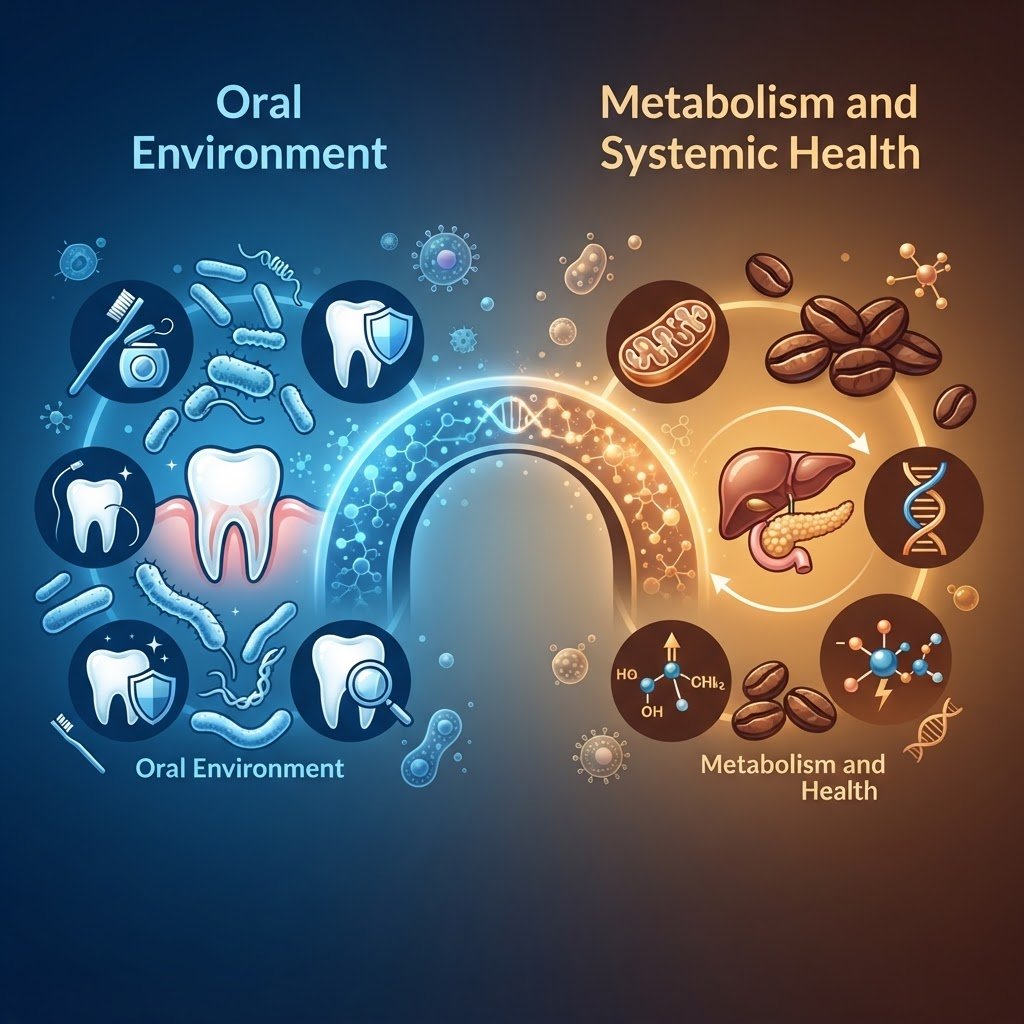
At RizioShop, we’ve built two embeddable visual guides that compile the latest research into practical, shareable formats. The first maps the oral microbiome — the hundreds of bacterial species that inhabit your mouth and influence everything from gum health to systemic inflammation. The second breaks down the thermogenic compounds in coffee and how they interact with your metabolism. Together, they form a resource designed for health bloggers, nutritionists, and consumers who want evidence-based visual content they can reference and share.
Part 1: The Oral Microbiome Map
Your mouth is home to over 700 species of bacteria, fungi, and viruses — collectively known as the oral microbiome. This ecosystem is the second most diverse microbial community in the human body (after the gut), and it plays a far bigger role in your health than most people realize. The oral microbiome doesn’t just affect your teeth and gums; it’s been linked to cardiovascular health, cognitive function, respiratory health, and even metabolic regulation.
The key insight from recent research is that it’s not about having “no bacteria” — it’s about having the right balance. A healthy oral microbiome is diverse, with beneficial bacteria keeping harmful species in check. When this balance is disrupted (a state called dysbiosis), pathogenic bacteria can proliferate, leading to gum inflammation, tooth decay, and potentially contributing to systemic health issues through the oral-systemic link.
Several factors can disrupt this balance: poor oral hygiene, high-sugar diets, antibiotic use, smoking, stress, and even mouthwash use. Ironically, some antimicrobial mouthwashes kill beneficial bacteria along with pathogens, potentially contributing to dysbiosis rather than preventing it. This is why some dental researchers now recommend targeted approaches — supporting beneficial bacteria rather than attempting to sterilize the mouth.
The Key Bacterial Players
Below is our embeddable reference table of the most clinically significant oral bacteria species. This table is designed to be cited and shared — health professionals, bloggers, and educators can reference it as a quick guide to which bacteria matter and why.
| Bacterial Species | Type | Role in Oral Health | Health Impact |
|---|---|---|---|
| Streptococcus salivarius | Beneficial | Produces bacteriocins that inhibit pathogens; pioneer colonizer of oral surfaces | Protective |
| Streptococcus mutans | Pathogenic | Metabolizes sugars into lactic acid; primary cause of tooth decay | Cavity risk |
| Porphyromonas gingivalis | Pathogenic | Key pathogen in periodontitis; destroys gum tissue and bone | Gum disease |
| Lactobacillus spp. | Beneficial | Produces lactic acid that inhibits pathogens; used in oral probiotics | Protective |
| Bifidobacterium spp. | Beneficial | Supports immune modulation; competitive exclusion of pathogens | Protective |
| Fusobacterium nucleatum | Bridge | Bridges early and late colonizers; can become pathogenic in dysbiosis | Context-dependent |
| Tannerella forsythia | Pathogenic | Associated with chronic periodontitis; tissue destruction | Gum disease |
| Prevotella intermedia | Pathogenic | Opportunistic pathogen; thrives in inflamed gum tissue | Gum disease |
The Oral-Systemic Connection
The bacteria in your mouth don’t stay in your mouth. When you brush, floss, or chew, bacteria enter your bloodstream through the dense network of blood vessels in your gums. This is called bacteremic translocation, and it’s the mechanism behind the oral-systemic link — the connection between oral health and diseases throughout the body.
Research has connected oral dysbiosis to several systemic conditions. Porphyromonas gingivalis has been found in brain tissue of Alzheimer’s patients, suggesting oral bacteria may contribute to cognitive decline. Periodontal disease is associated with a 19% increased risk of cardiovascular disease. And oral bacteria can travel to the lungs, contributing to aspiration pneumonia, especially in older adults. These connections are why we cover oral health extensively in our ProDentim review and natural gum health guide.
The mechanism behind the cardiovascular connection involves inflammation. When periodontal pathogens enter the bloodstream, they trigger immune responses that can damage blood vessel walls. Over time, this chronic inflammation may contribute to atherosclerosis — the buildup of plaque in arteries. A study published in the journal Atherosclerosis found that treating periodontal disease improved markers of endothelial function, suggesting that oral health interventions may have cardiovascular benefits.
The Alzheimer’s connection is equally intriguing. Research from the University of Louisville found that P. gingivalis DNA was present in the brains of Alzheimer’s patients but not in healthy controls. The bacterium produces toxic enzymes called gingipains that can degrade brain proteins. While this doesn’t prove causation, it suggests that oral health may play a role in cognitive aging — a connection we explore further in our cognitive support supplement reviews.
Oral Probiotics: What the Research Shows
Oral probiotics are a growing category in the supplement market. The idea is simple: introduce beneficial bacteria to the oral cavity to outcompete pathogenic species and restore microbial balance. But the evidence is more nuanced than the marketing suggests. Here’s what the published research actually shows:
| Probiotic Strain | Evidence For | Evidence Level | Study Notes |
|---|---|---|---|
| S. salivarius K12 | Halitosis, throat health | B | Multiple RCTs; reduces volatile sulfur compounds |
| S. salivarius M18 | Dental caries prevention | C | Small trials; reduces S. mutans levels in some studies |
| L. reuteri | Gingivitis reduction | B | RCTs show reduced gum bleeding and inflammation |
| L. rhamnosus GG | Caries prevention (children) | C | Some benefit in pediatric populations |
| B. lactis HN019 | Periodontal support | C | Limited trials; some improvement in clinical attachment |
Our complete guide to probiotics covers these strains and others in more detail. The key takeaway: oral probiotics show promise, but they’re not a replacement for basic oral hygiene. Think of them as a potential supplement to — not a substitute for — brushing, flossing, and regular dental visits. The strains with the strongest evidence (L. reuteri for gingivitis, S. salivarius K12 for halitosis) have multiple randomized controlled trials supporting their use, while others remain experimental.
Part 2: The Thermogenic Coffee Science Guide

Coffee is the most consumed beverage in the world after water, and its effects on metabolism go far beyond a simple caffeine buzz. The term “thermogenic” refers to compounds that increase thermogenesis — the body’s production of heat — which can modestly increase energy expenditure. Coffee contains several compounds with thermogenic properties, and understanding how they work can help you make informed decisions about your daily brew.
The Key Thermogenic Compounds
| Compound | Amount per Cup | Mechanism | Evidence |
|---|---|---|---|
| Caffeine | 80–120mg | Adenosine receptor antagonism; increases norepinephrine; stimulates fat oxidation | A |
| Chlorogenic Acid | 70–350mg | Inhibits glucose-6-phosphatase; modulates gut hormones; antioxidant | B |
| Trigonelline | 40–80mg | B-vitamin precursor; hypoglycemic effects; antibacterial | C |
| Theobromine | Trace | Vasodilator; mild stimulant; smooth muscle relaxant | C |
| Melanoidins | Variable | Antioxidant; prebiotic fiber; metal chelation | C |
Caffeine is the most studied thermogenic compound in coffee, and it has Level A evidence for increasing energy expenditure. A meta-analysis published in the American Journal of Clinical Nutrition found that caffeine increases metabolic rate by 3–11%, with larger effects in lean individuals. However, tolerance develops with regular consumption, meaning the thermogenic effect diminishes over time in habitual coffee drinkers.
Chlorogenic acid (CGA) has gained attention through products like green coffee bean extract, but regular coffee is actually a significant source of CGA. The compound may help regulate blood glucose by inhibiting glucose-6-phosphatase, an enzyme involved in glucose production. Our guide to coffee and blood pressure covers this in more detail, including how CGA affects cardiovascular health.
How Coffee Preparation Affects Thermogenic Compounds
The way you prepare coffee significantly affects its compound profile. This is one of the most overlooked aspects of coffee science, and it has direct implications for both thermogenic effects and oral health:
- Espresso: High pressure extraction yields concentrated caffeine (63mg per shot) but lower total CGA due to small volume. The fine grind maximizes extraction of lipophilic compounds.
- Filter/drip coffee: Paper filters remove cafestol and kahweol (diterpenes that raise cholesterol), resulting in a cleaner brew with higher CGA retention. This is the most studied preparation method in clinical trials.
- French press: Metal filter retains diterpenes, which may have anti-inflammatory properties but can raise LDL cholesterol. Higher body weight extraction means more melanoidins and trigonelline.
- Cold brew: Lower acidity (pH 5.8–6.2 vs 4.5–5.0 for hot brew) makes it gentler on tooth enamel. However, cold extraction may reduce CGA bioavailability. The lower acidity is better for oral health but may reduce some thermogenic compound extraction.
- Instant coffee: Contains less caffeine (30–66mg per cup) but retains significant CGA. Some instant coffees have higher antioxidant activity than brewed coffee due to concentration during processing.
For those concerned about both oral health and thermogenic effects, cold brew offers an interesting compromise: lower acidity means less enamel erosion, while still providing meaningful caffeine and CGA content. Our thermogenic coffee hacks guide explores preparation methods in more depth.
Thermogenic Coffee: How Much Does It Actually Boost Metabolism?
The marketing claims for thermogenic coffee products can be dramatic, but the scientific reality is more measured. Here’s what the evidence says about the metabolic effects of coffee:
- Resting metabolic rate: Caffeine increases RMR by 3–11% acutely, but tolerance reduces this effect in regular consumers. A 150lb person might burn an extra 50–150 calories per day from caffeine’s thermogenic effect — meaningful over time but not a magic bullet.
- Fat oxidation: Caffeine increases fat burning by 10–29% during exercise, particularly in endurance activities. This is why caffeine is a popular pre-workout supplement. Our sports nutrition guide covers caffeine’s performance effects.
- Appetite regulation: Some studies suggest coffee may temporarily reduce appetite, primarily through effects on ghrelin and PYY. However, this effect is short-lived and doesn’t appear to result in significant long-term weight management.
- Blood glucose: Chlorogenic acid may modestly reduce post-meal glucose spikes. This is separate from the thermogenic effect but relevant to metabolic health.
- Exercise performance: Caffeine improves time-to-exhaustion by 2–7% in endurance activities, which indirectly increases total calorie burn. The effect is strongest in non-habitual caffeine users.
The bottom line: coffee has real, measurable thermogenic effects, but they’re modest and partially blunted by tolerance. For a comprehensive look at coffee’s health effects, read our thermogenic coffee hacks guide and our analysis of green tea extract for weight loss, which covers EGCG — another thermogenic compound that works synergistically with caffeine.
The Surprising Connection: Coffee, Oral Bacteria, and Metabolism
Here’s where the two halves of this guide connect. Recent research has revealed that coffee compounds — particularly chlorogenic acid and melanoidins — may influence the oral microbiome directly. Coffee’s antibacterial properties have been documented against several oral pathogens, including Streptococcus mutans, the primary bacterium responsible for tooth decay.
A study published in the Journal of Agricultural and Food Chemistry found that roasted coffee extracts inhibited the growth of S. mutans and reduced its ability to adhere to tooth surfaces. The mechanism appears to involve chlorogenic acid and trigonelline, which interfere with bacterial cell membranes. This doesn’t mean coffee replaces brushing — but it does suggest that moderate coffee consumption may have a mild protective effect on oral microbial balance.
The connection flows in both directions. The oral microbiome is the gateway to the gut microbiome, and the gut microbiome plays a critical role in how your body processes coffee compounds. Bacteria in the gut metabolize chlorogenic acid into smaller phenolic compounds that are more readily absorbed and may have greater bioactivity. This means the state of your oral and gut microbiomes can influence how effectively you benefit from coffee’s thermogenic compounds.
This is why maintaining oral health isn’t just about preventing cavities — it may also affect how your body responds to dietary compounds. Our hearing support guide and collagen guide both touch on how systemic inflammation (which can originate from oral dysbiosis) affects tissues throughout the body. When oral bacteria trigger chronic inflammation, it can impair nutrient absorption, disrupt metabolic signaling, and even affect how efficiently your body uses thermogenic compounds from your diet.
The Embeddable Quick Reference Guide
| Health Factor | Oral Microbiome Effect | Coffee Compound Effect | Net Impact |
|---|---|---|---|
| Inflammation | Dysbiosis increases systemic inflammation | Antioxidants reduce inflammatory markers | Balanced |
| Metabolism | Oral bacteria influence gut microbiome → metabolic regulation | Caffeine + CGA increase thermogenesis 3-11% | Positive |
| Blood Glucose | Periodontal disease linked to insulin resistance | CGA reduces post-meal glucose spikes | Positive |
| Cavity Risk | S. mutans produces acid that erodes enamel | CGA + trigonelline inhibit S. mutans growth | Mixed (coffee is acidic) |
| Cardiovascular | Periodontal bacteria enter bloodstream → vascular inflammation | Antioxidants support vascular function | Positive |
| Cognitive | P. gingivalis linked to Alzheimer’s pathology | Caffeine enhances alertness and focus | Positive |
This comparison table is designed to be the core embeddable resource from this guide. Health bloggers, nutritionists, and educators can reference it to explain the oral-metabolic connection. For related content, see our guides on water quality and health, water filtration, and science-backed weight loss strategies.
Practical Takeaways for Oral and Metabolic Health
Based on the evidence compiled in these visual guides, here are actionable recommendations that connect both the oral microbiome and thermogenic coffee research:
- Brush and floss before coffee: Removing plaque before consuming acidic beverages reduces the risk of enamel erosion. Coffee has a pH of 4.5–5.5, which is below the threshold for enamel demineralization.
- Wait 30 minutes after coffee before brushing: Acidic drinks temporarily soften enamel. Brushing immediately after can accelerate erosion. Rinse with water instead.
- Consider oral probiotics if you have gum issues: Strains like L. reuteri and S. salivarius K12 have clinical evidence for improving gum health and reducing halitosis. See our ProDentim review for a specific product analysis.
- Don’t rely on coffee for weight management: The thermogenic effect of caffeine is real but modest (50–150 calories/day) and diminishes with tolerance. Use it as one tool among many, alongside the strategies in our weight loss guide.
- Support your gut microbiome: The gut processes coffee compounds, and a healthy gut microbiome extracts more benefit. Read our probiotics guide and metabolism-boosting foods guide for dietary strategies.
- Rinse with water after coffee: This reduces acidity in the mouth, protecting both tooth enamel and the beneficial bacteria in your oral microbiome. It’s a simple habit with dual benefits.
- Choose cold brew for oral health: If you’re prone to enamel erosion or sensitivity, cold brew’s higher pH (5.8–6.2 vs 4.5–5.0) makes it significantly gentler on teeth while still delivering caffeine and CGA.
- Cycle caffeine to preserve thermogenic effects: Taking a 1-2 week caffeine break every few months can partially reset tolerance, restoring the thermogenic effect. Just be prepared for withdrawal headaches.
Dietary Strategies That Support Both Oral and Metabolic Health
Since the oral microbiome and metabolic health are connected, certain dietary strategies can benefit both simultaneously. Here are the foods and nutrients that support a healthy oral microbiome while also complementing the thermogenic effects of coffee:
Fiber-rich foods: Dietary fiber feeds beneficial bacteria throughout the digestive tract, starting in the mouth. Crunchy vegetables like celery, carrots, and apples physically stimulate saliva production while their fiber content supports bacterial diversity. Saliva is your mouth’s natural defense system — it neutralizes acid, remineralizes enamel, and contains antimicrobial peptides. Foods that stimulate saliva production support oral health naturally. Our metabolism-boosting foods guide covers high-fiber options in detail.
Polyphenol-rich foods: Berries, green tea, dark chocolate, and yes, coffee itself, contain polyphenols that have been shown to inhibit pathogenic oral bacteria while leaving beneficial species largely unaffected. These compounds act as prebiotics for the oral microbiome, selectively supporting the bacteria that protect your health. Green tea in particular contains catechins that inhibit S. mutans growth — we cover this in our green tea extract guide.
Vitamin D and calcium: Both are essential for tooth and bone health, but they also play roles in metabolic regulation. Vitamin D deficiency has been linked to both periodontal disease and insulin resistance. Our guides on magnesium and anti-aging supplements cover how these nutrients work together.
Probiotic and fermented foods: Yogurt, kefir, kimchi, and sauerkraut introduce beneficial bacteria to the digestive tract. While the primary benefit is in the gut, some evidence suggests that regular consumption of fermented foods may also positively influence the oral microbiome through continuous bacterial exposure. For a complete analysis, see our probiotics guide and adaptogens guide for complementary stress-support strategies.
Why These Guides Matter
Most health content treats topics in isolation — oral health here, coffee science there, metabolism somewhere else. But the human body is an interconnected system, and the most interesting health insights live at the intersection of different fields. The oral microbiome and thermogenic coffee are connected through inflammation, metabolism, and the gut-brain axis. Understanding these connections is more valuable than studying either topic alone.
These visual guides were created to fill a gap in health education. Most existing content either oversimplifies (coffee boosts metabolism!) or overcomplicates (detailed biochemistry that only researchers can follow). We aimed for the middle ground: accurate, citable, and accessible. Whether you’re a health blogger looking for a reference table to embed, a nutritionist explaining the oral-metabolic connection to clients, or a curious consumer who wants to understand what’s happening in your body, these guides provide the evidence-based foundation you need.
Our mission at RizioShop is to make these connections visible. Whether you’re researching prostate supplements, exploring adaptogens, or trying our energy assessment quiz, we’re committed to providing content that connects the dots. Explore our full health education resources for more evidence-based guides, and don’t miss our supplement compliance investigation for consumer protection insights.
Affiliate Disclosure: RizioShop participates in various affiliate programs. We may earn a commission when you purchase through links on our site, at no additional cost to you. This never influences our editorial content. See our About Us page for full disclosure.