
 Rizioshop
After 50, preserving strength becomes less about chasing a perfect diet and more about giving the body regular building materials. Protein timing is a useful, low-drama strategy: instead of eating most protein at dinner, distribute meaningful portions across the day.
Protein Timing for Women Over 50: A Practical Guide
This guide focuses on practical meals, resistance training, digestion, and safety. It does not prescribe one number for everyone because body size, activity, appetite, kidney health, and medical history all matter.

Why regular protein matters
Muscle supports balance, movement, glucose handling, and independence. Aging, inactivity, illness, and low appetite can make it harder to maintain. A protein-focused meal pattern is not about bodybuilding; it is about making ordinary activities easier for longer.
Start by observing your current day. Many people have coffee for breakfast, a light lunch, and a large dinner. Our Creatine for women over 50 High-protein breakfast ideas Resetting your sleep routine resources can help you build a more balanced morning without turning meals into a spreadsheet.
- Aim for a meaningful protein source at each main meal
- Pair nutrition with progressive resistance exercise
- Include enough total calories and fluids
A simple three-meal framework
Breakfast could combine Greek yogurt with oats and berries, eggs with whole-grain toast, or tofu with vegetables. Lunch might use lentils, tuna, chicken, tempeh, or cottage cheese. Dinner can remain familiar while adding a clear protein anchor and colorful produce.
If appetite is low, smaller meals and snacks may work better. A glass of milk, soy beverage, yogurt, hummus with vegetables, or a bean soup can add protein without requiring a huge plate. Texture and seasoning matter: food that is pleasant gets eaten consistently.
- Breakfast: yogurt, eggs, tofu, or cottage cheese
- Lunch: beans, fish, poultry, or tempeh
- Snacks: milk, soy beverage, hummus, or yogurt
Protein and resistance training
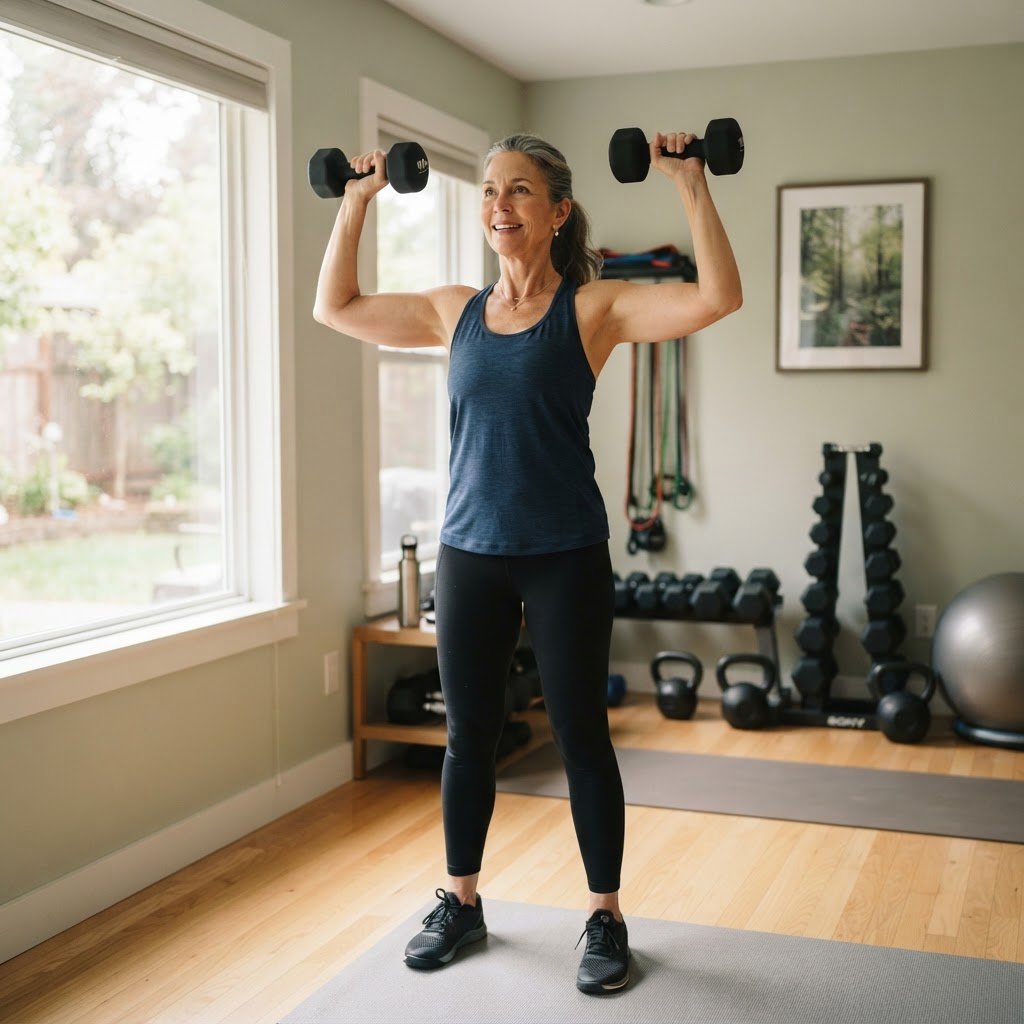
Protein supplies amino acids, but the muscle needs a reason to use them. Two or more weekly sessions of appropriately challenging resistance exercise can support strength; walking adds valuable cardiovascular and balance benefits. Begin at a level that feels safe and progress gradually.
A post-exercise meal does not need to be a special shake. A normal meal within the day can work. If you have osteoporosis, pain, or a chronic condition, seek professional advice for exercise selection and loading.
- Practice strength exercises consistently
- Use normal meals around workouts
- Progress gradually instead of chasing soreness
Supplements, digestion, and safety
Protein powders can be useful, but they vary in ingredients, sweeteners, allergens, and quality. Look for transparent labeling and independent testing. Do not assume “natural” means risk-free, especially when a product contains multiple herbs or stimulants.
People with kidney disease, a history of kidney stones, swallowing difficulties, or complex medical diets should ask a clinician before increasing protein. Bloating may improve by changing portion size, product type, or fiber gradually rather than abandoning the whole plan.
- Check labels for protein, sugar, sodium, and allergens
- Increase fiber and fluids thoughtfully
- Seek individualized advice with kidney conditions
Making a protein plan fit real life
Here is a practical framework for protein timing for women over 50 that keeps expectations grounded and makes the habit easier to evaluate.
Practical consideration 1
A useful way to judge any wellness habit is to separate the mechanism from the promise. A plausible biological explanation does not guarantee a dramatic consumer result. Product quality, dose, timing, baseline health, adherence, and the outcome being measured all change the answer. That is why responsible guidance uses words such as may, can support, and tends to, rather than promising certainty.
Practical consideration 2
The most sustainable plan is the one that survives ordinary life. Travel, work, family responsibilities, weather, appetite, and low-motivation days are not failures; they are part of the design problem. Build a minimum version that takes only a few minutes, then add more when circumstances allow. A routine that is repeated moderately usually beats an ambitious routine that is abandoned.
Practical consideration 3
Keep a short record for two to four weeks before deciding whether something works. Note the date, timing, what you did, how you felt, and any unwanted effect. Avoid changing five other habits at the same time. This is not a scientific trial, but it creates a more honest picture than relying on one unusually good or bad day.
Practical consideration 4
Be cautious with before-and-after claims online. Different camera angles, filters, posture, hydration, sleep, and lighting can create a striking difference without a comparable change in health. Look for transparent methods, realistic time frames, and information about limitations. Testimonials can be interesting, but they are not a substitute for controlled evidence.
Practical consideration 5
Comfort is an important safety signal. Mild inconvenience may be manageable, but pain, dizziness, breathing difficulty, visual symptoms, a new rash, swelling, or a persistent change deserves attention. Stop the new intervention when appropriate and seek medical advice rather than attempting to push through a warning sign.
Practical consideration 6
A supportive habit should sit inside a broader foundation: regular meals, movement suited to your ability, restorative sleep, stress management, and preventive care. No single product can compensate for untreated illness or replace a professional assessment. This broader view also prevents wellness spending from becoming a source of anxiety.
Practical consideration 7
When shopping, compare the total cost of ownership rather than the headline price. Consider replacement parts, subscriptions, delivery, return windows, independent testing, and whether you will realistically use the item. A modest product that fits your life can be more valuable than an expensive device or supplement that stays in a drawer.
Practical consideration 8
Individual differences matter. Age, skin type, training status, medication, medical conditions, dietary pattern, and sleep schedule all influence response. Use general education as a starting point, not a personal diagnosis. If you are pregnant, managing a chronic condition, or taking regular medication, ask the relevant clinician before making a significant change.
Practical consideration 9
Set a review date instead of chasing instant reassurance. At that point, ask three questions: Did I follow the plan often enough? Did I notice a meaningful benefit? Did the cost, time, or side effects make it worthwhile? The answers can guide a small adjustment, a pause, or a conversation with a professional.
Practical consideration 10
The goal is not perfection or fear of aging. It is informed choice. A calm routine, realistic expectations, and attention to safety allow you to benefit from promising ideas without turning every new trend into a requirement.
For evidence-based context, review protein and aging research in the National Library of Medicine, healthy-aging nutrition advice from the National Institute on Aging, and dietary guidance from the U.S. Dietary Guidelines.
Additional practical guidance
Consideration 1
A useful way to judge any wellness habit is to separate the mechanism from the promise. A plausible explanation does not guarantee a dramatic result. Product quality, dose, timing, baseline health, adherence, and the outcome being measured all change the answer. That is why responsible guidance uses words such as may and can support rather than promising certainty.
Consideration 2
The most sustainable plan survives ordinary life. Travel, work, family responsibilities, weather, appetite, and low-motivation days are not failures; they are part of the design problem. Build a minimum version that takes only a few minutes, then add more when circumstances allow. A routine repeated moderately usually beats an ambitious routine abandoned after three days.
Consideration 3
Keep a short record for two to four weeks before deciding whether something works. Note the date, timing, what you did, how you felt, and any unwanted effect. Avoid changing five other habits at the same time. This is not a clinical trial, but it creates a more honest picture than relying on one unusually good or bad day.
Consideration 4
Be cautious with before-and-after claims online. Camera angles, filters, posture, hydration, sleep, and lighting can create a striking difference without a comparable change in health. Look for transparent methods, realistic time frames, and limitations. Testimonials can be interesting, but they are not a substitute for controlled evidence.
Consideration 5
Comfort is an important safety signal. Pain, dizziness, breathing difficulty, visual symptoms, a new rash, swelling, or a persistent change deserves attention. Stop the new intervention when appropriate and seek medical advice rather than pushing through a warning sign.
Consideration 6
A supportive habit belongs inside a broader foundation: regular meals, movement suited to your ability, restorative sleep, stress management, and preventive care. No single product can compensate for untreated illness or replace a professional assessment. This broader view also prevents wellness spending from becoming a source of anxiety.
Consideration 7
When shopping, compare total cost of ownership rather than headline price. Consider replacement parts, subscriptions, delivery, return windows, independent testing, and whether you will realistically use the item. A modest product that fits your life can be more valuable than an expensive item that stays in a drawer.
Consideration 8
Individual differences matter. Age, skin type, training status, medication, medical conditions, dietary pattern, and sleep schedule all influence response. Use general education as a starting point, not a personal diagnosis. If you are pregnant, managing a chronic condition, or taking regular medication, ask the relevant clinician before making a significant change.
Consideration 9
Set a review date instead of chasing instant reassurance. Ask whether you followed the plan often enough, noticed a meaningful benefit, and found the cost, time, and side effects worthwhile. The answers can guide a small adjustment, a pause, or a conversation with a professional.
Consideration 10
The goal is not perfection or fear of aging. It is informed choice. A calm routine, realistic expectations, and attention to safety allow you to benefit from promising ideas without turning every new trend into a requirement.
Frequently Asked Questions
Why does protein distribution matter after 50?
Muscle becomes less responsive to small amounts of protein with age. Distributing adequate servings across meals may make it easier to support muscle protein synthesis, especially alongside resistance training.
How much protein should I eat?
There is no universal target. A registered dietitian can consider your weight, activity, appetite, kidney function, and medications. Avoid changing intake dramatically without medical guidance.
Is protein powder necessary?
No. Beans, lentils, eggs, dairy, fish, poultry, tofu, and other foods can provide protein. Powder is simply a convenient option when appetite or time is limited.
Should I eat protein before or after exercise?
Both the meal before and the meal after can contribute. A regular daily pattern matters more than a narrow “anabolic window.”
Conclusion
A steady protein pattern can make healthy aging nutrition more practical, especially when paired with resistance exercise, enough energy, fiber, and sleep. Start with one stronger breakfast or lunch, monitor comfort, and personalize the plan with a qualified professional if you have kidney disease or other medical needs.
Gostou deste conteúdo? Confira nossa recomendação especial para aprofundar seus conhecimentos.
Recommended product
A simple protein measuring scoop, Greek-yogurt meal planner, or unflavored protein powder may help with convenience. Choose third-party tested products and remember that supplements are optional, not a replacement for varied meals.